

I 10 migliori software CRM per il settore dei servizi nel 2026

10 Elenco dei migliori software CRM per il settore dei servizi


Il software per la gestione delle relazioni con i clienti, o CRM, è una risorsa per molti titolari di aziende del settore dei servizi. Ti aiuta a monitorare il percorso dei clienti, gestire i dati dei clienti e migliorare l'erogazione dei servizi. Tuttavia, scegliere il software CRM giusto per il tuo settore e per le tue esigenze specifiche può essere difficile. Vuoi aiutare il tuo team di vendita a gestire meglio le relazioni con i clienti, ma devi capire quale strumento sia più adatto.
Grazie a molti anni di esperienza nell'utilizzo di software CRM, per le vendite e per la business intelligence, ho testato e confrontato diversi tra i principali strumenti di brainstorming disponibili. In seguito, ho raccolto i risultati in recensioni approfondite per aiutare le aziende a trovare il software più adatto alle loro esigenze specifiche. Che tu gestisca una piccola azienda o una grande impresa, sono certo che troverai il tuo prossimo strumento CRM nell'elenco seguente.
Perché Fidarsi delle Nostre Recensioni Software
Testiamo e recensiamo software RevOps dal 2022. In quanto leader RevOps, sappiamo quanto sia fondamentale (e difficile) scegliere il software giusto. Investiamo in ricerche approfondite per aiutare il nostro pubblico a prendere decisioni più consapevoli nell’acquisto di software. Abbiamo testato oltre 2.000 strumenti per diversi casi d’uso RevOps e abbiamo scritto più di 1.000 recensioni dettagliate.Scopri come manteniamo la trasparenza & la nostra metodologia di valutazione dei software.
Riepilogo dei migliori software CRM per il settore dei servizi
Questa tabella comparativa riassume i dettagli dei prezzi dei miei principali software CRM selezionati, per aiutarti a trovare il software migliore per il tuo budget e per le esigenze della tua azienda di servizi.
| Tool | Best For | Trial Info | Price | ||
|---|---|---|---|---|---|
| 1 | Ideale per il monitoraggio visivo delle vendite | Prova gratuita di 30 giorni + demo gratuita disponibile | Da $29/utente/mese (fatturazione annuale) | Website | |
| 2 | Ideale per l'automazione di lead e flussi di lavoro | Prova gratuita di 15 giorni + piano gratuito disponibile | Da $14/utente/mese (fatturazione annuale) | Website | |
| 3 | Ideale per l'integrazione della gestione progetti | Prova gratuita di 30 giorni | A partire da $29/mese (fatturato annualmente) | Website | |
| 4 | Ideale per organizzare i contatti e tracciare le interazioni con i clienti su più piattaforme | Prova gratuita di 14 giorni | Da $25/utente/mese (fatturato annualmente) | Website | |
| 5 | Ideale per strumenti di comunicazione integrati e gestione delle vendite semplificata | Prova gratuita di 14 giorni + demo gratuita disponibile | Da $35/utente/mese (fatturato annualmente) | Website | |
| 6 | Ideale per CRM e marketing tutto in uno | Prova gratuita disponibile | Da $29/utente/mese (fatturato annualmente) | Website | |
| 7 | Ideale per la gestione completa delle piccole imprese | Demo gratuita disponibile | Da $255/mese | Website | |
| 8 | Ideale per servizi di messaggistica integrati | Prova gratuita di 7 giorni | Da $69/3 utenti/mese (fatturazione annuale) | Website | |
| 9 | Ideale per il coinvolgimento multicanale dei clienti | Prova gratuita di 14 giorni + demo gratuita disponibile | Da $14/mese (fatturazione annuale) | Website | |
| 10 | Ideale per ERP cloud completo | Not available | Prezzo su richiesta | Website |
Recensioni dei migliori software CRM per il settore dei servizi
Scopri analisi approfondite e panoramiche dei principali software CRM progettati per il settore dei servizi. Esamineremo i pro e i contro, le funzionalità e i casi d’uso più adatti.

Ideale per il monitoraggio visivo delle vendite
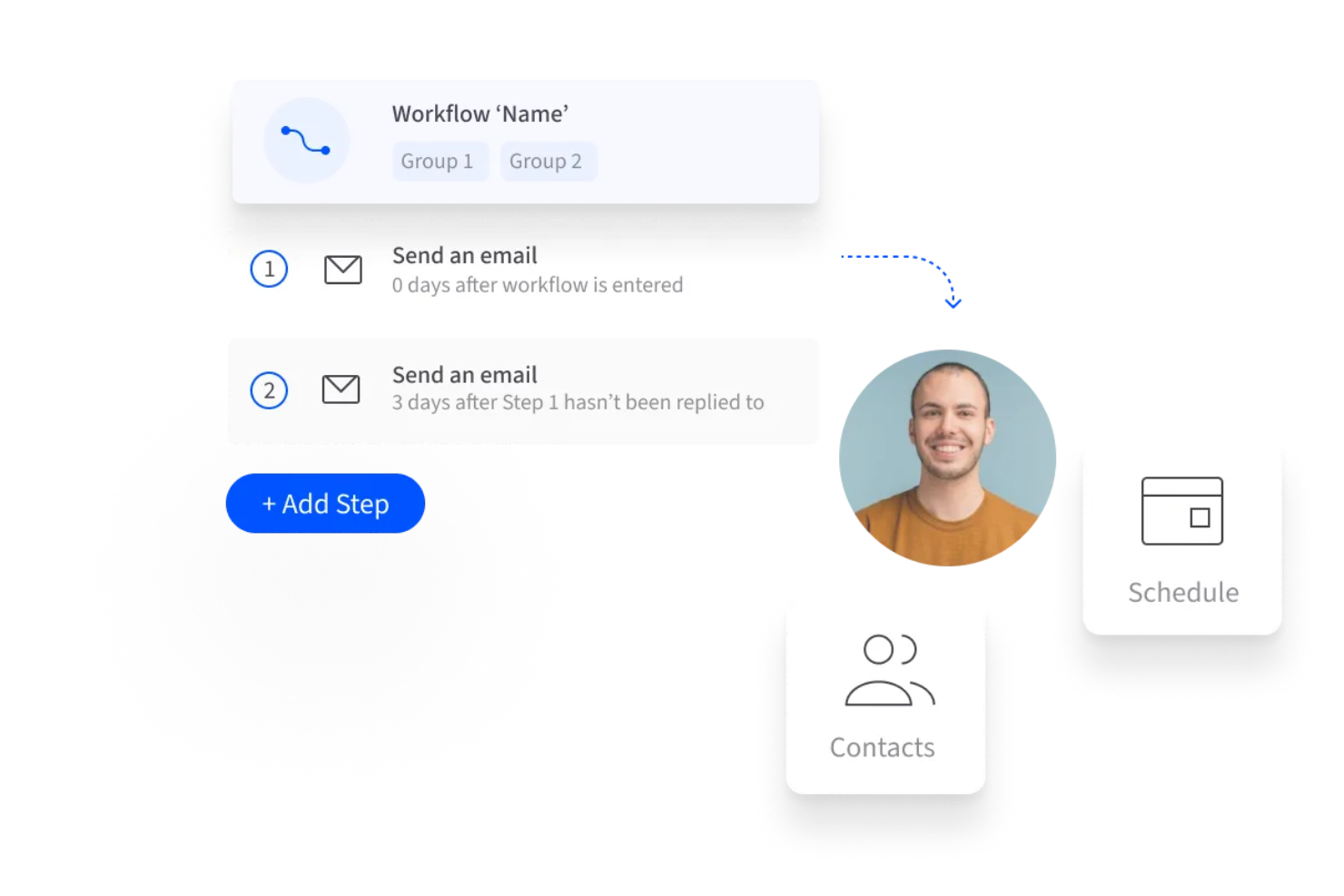
Salesflare è un CRM di vendita B2B per piccole e medie imprese che combina la gestione visiva delle pipeline, la raccolta automatica dei dati dei contatti, la sequenza di email automatizzate e l'intelligenza relazionale.
Per chi è ideale Salesflare?
Salesflare è adatto a piccole aziende di servizi B2B e a team di vendita che desiderano un CRM a bassa manutenzione e con inserimento manuale dei dati ridotto al minimo.
Perché ho scelto Salesflare
Ho inserito Salesflare tra le mie migliori scelte perché la sua vista visiva della pipeline offre ai team di vendita basati sui servizi una panoramica chiara e in tempo reale di tutte le opportunità attive. È possibile trascinare e rilasciare i lead tra le fasi della pipeline con il progredire delle trattative, rendendo semplice individuare a colpo d'occhio i conti che si sono bloccati. Apprezzo anche la funzione segmenti salvati, che permette di creare e ritrovare elenchi filtrati per fase della trattativa, tipo di contatto o campo personalizzato, così nulla sfugge tra un incontro con il cliente e l'altro.
Funzionalità principali di Salesflare
- Arricchimento automatico dei contatti: Salesflare recupera i dettagli dei contatti da email e profili social senza inserimento manuale.
- Sequenze di email: Crea e invia serie di email di follow-up automatizzate ai contatti direttamente dal CRM.
- Tracciamento di email e link: Ricevi notifiche in tempo reale quando un contatto apre la tua email o clicca su un link.
- Casella di posta condivisa: Condividi e gestisci le conversazioni email con i contatti in tutto il tuo team di vendita.
Pros and Cons
Pros:
- Informazioni e reportistica di valore
- Funzionalità efficaci per l’invio di email di follow-up
- Interfaccia intuitiva
Cons:
- Opzioni di personalizzazione limitate
- Possibile curva di apprendimento
Zoho CRM
Ideale per l'automazione di lead e flussi di lavoro
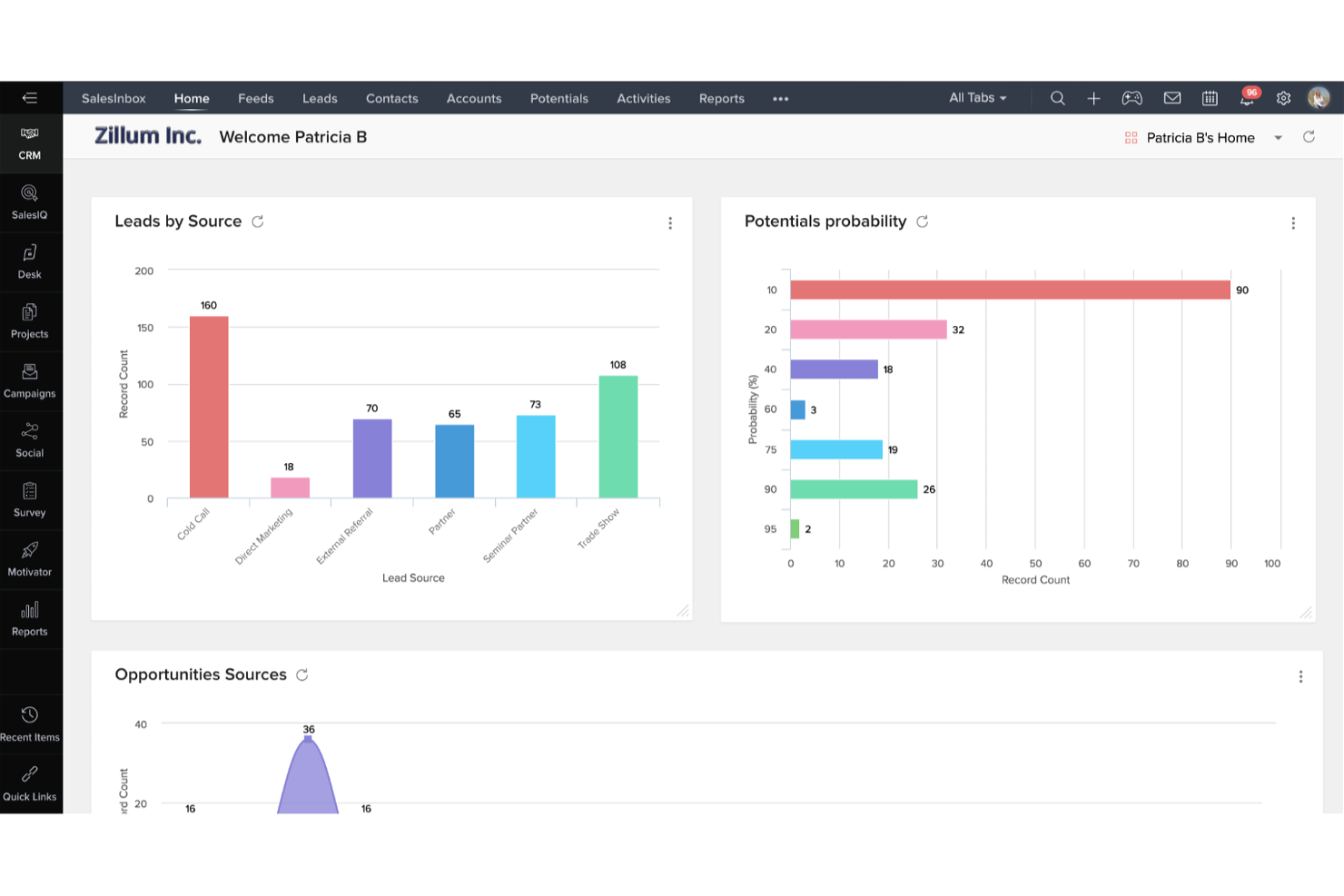
Zoho CRM è una piattaforma di gestione delle vendite e della relazione con i clienti che offre strumenti per il tracciamento dei lead, la comunicazione omnicanale, l'automazione dei flussi di lavoro e la previsione assistita dall'IA per team orientati ai servizi.
Per chi è ideale Zoho CRM?
Zoho CRM è particolarmente adatto per piccole e medie imprese di servizi che necessitano di un CRM scalabile con automazione integrata, senza il costo delle soluzioni enterprise.
Perché scegliere Zoho CRM
Gli strumenti di automazione delle lead e dei flussi di lavoro di Zoho CRM sono progettati per team di servizio che gestiscono grandi volumi di richieste. Mi piace che Blueprint consenta di mappare un processo di servizio passo dopo passo, applicandolo automaticamente—così nessun lead o richiesta di lavoro viene trascurata. Se si abbina questo alla qualificazione dei lead basata su IA fornita da Zia, è possibile dare priorità ai follow-up in base alla reale probabilità di conversione e non solo alle sensazioni personali.
Funzionalità principali di Zoho CRM
- Comunicazione omnicanale: Gestisci le interazioni con i clienti tramite email, telefono, chat dal vivo e social media da un'unica panoramica CRM.
- SalesSignals: Ricevi notifiche in tempo reale quando un contatto apre un'email, invia un modulo o interagisce con il tuo sito.
- Report e dashboard personalizzabili: Crea report specifici per i servizi per monitorare l’attività della pipeline, i tassi di follow-up e le performance del team.
- App CRM mobile: Registra le chiamate, aggiorna le schede contatto e segui le attività dal campo direttamente tramite l'app mobile di Zoho CRM.
Pros and Cons
Pros:
- Ottimo per team ibridi e in lavoro remoto
- Zia (IA) aiuta a individuare i potenziali clienti convertibili dal tuo team
- App mobile per migliorare la comunicazione con i clienti
Cons:
- Prezzo superiore rispetto ad altri strumenti
- Funzionalità avanzate riservate agli abbonamenti di fascia alta
New Product Updates from Zoho CRM

Zoho CRM Adds Reusable Canvas Templates for Forms
Zoho CRM now supports Canvas templates in the Forms view, so you can design a form layout once and reuse it across records for a consistent, faster experience. For more information, visit Zoho CRM's official site.
 .
.
Ideale per l'integrazione della gestione progetti
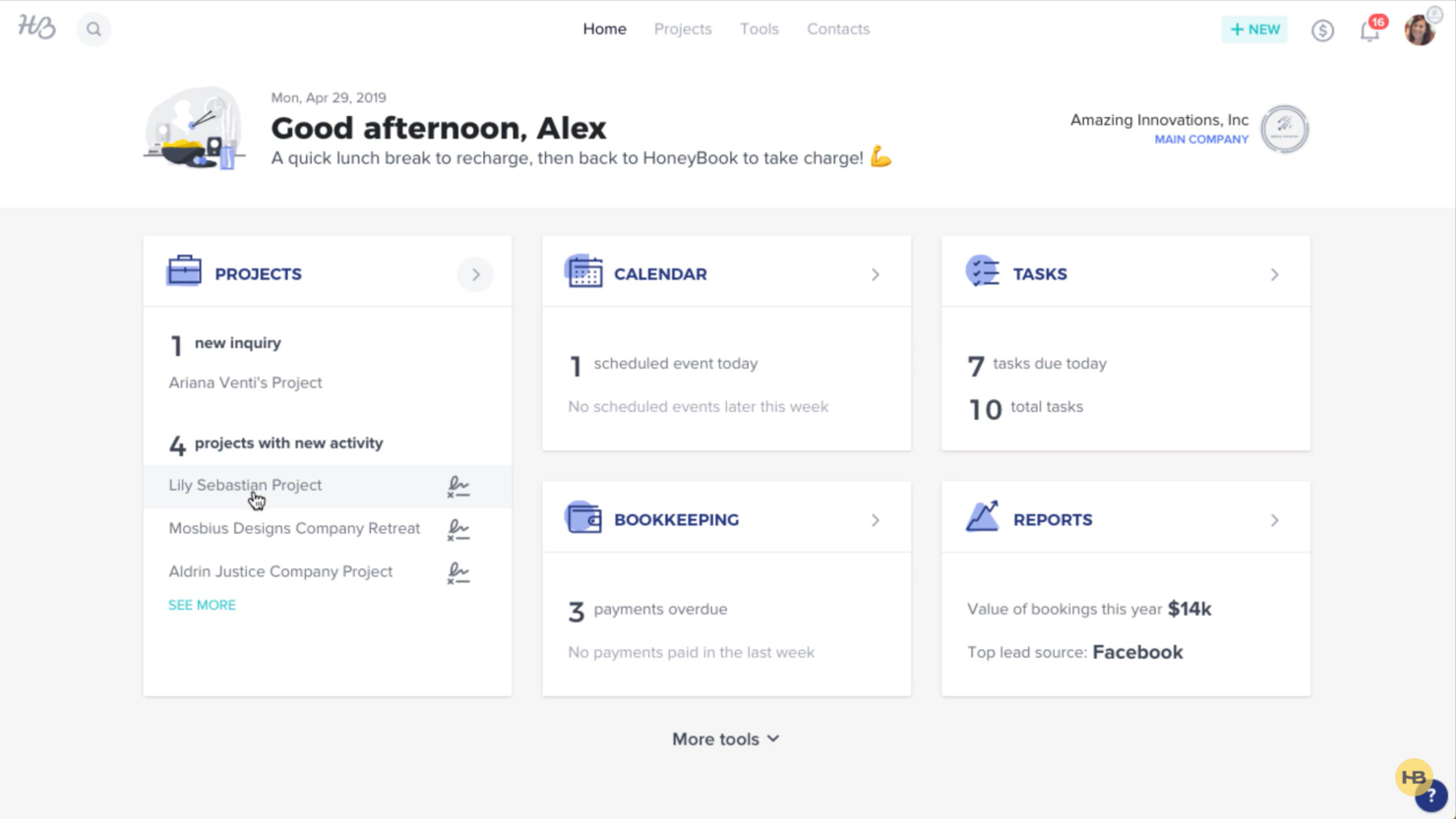
HoneyBook è una piattaforma di CRM e gestione clienti pensata per le imprese di servizi indipendenti, con strumenti per la gestione dei contatti, pipeline di progetti, contratti, fatturazione, pianificazione e raccolta pagamenti, tutto in un unico posto.
Per Chi È Ideale HoneyBook?
HoneyBook è particolarmente adatto a liberi professionisti e piccole imprese di servizi come fotografi, organizzatori di eventi, coach e consulenti che gestiscono i progetti dei clienti in modo indipendente.
Perché Ho Scelto HoneyBook
Ho scelto HoneyBook tra i migliori perché integra strettamente la gestione dei progetti nella relazione con il cliente stessa. Ogni progetto ha uno spazio di lavoro dedicato in cui puoi monitorare le attività, lo stato della pipeline e conservare tutti i file, contratti e comunicazioni in un unico punto. Apprezzo anche i riepiloghi di progetto generati dall'IA, che raccolgono informazioni sul progetto, servizi discussi e attività mancanti prima di un incontro con il cliente.
Funzionalità Chiave di HoneyBook
- Portale clienti: Offre ai clienti uno spazio dedicato per visualizzare proposte, firmare contratti, inviare questionari e effettuare pagamenti.
- Automazioni: Avvia sequenze di email, attività e follow-up in base allo stato del progetto o alle azioni del cliente.
- Fatturazione e pagamenti online: Permette di creare, inviare e ricevere pagamenti su fatture direttamente dalla piattaforma.
- Strumento di pianificazione: Integra una pagina di prenotazione sincronizzata con il tuo calendario per richieste di sessioni e consulenze da parte dei clienti.
Pros and Cons
Pros:
- Template personalizzabili lato cliente
- Condivisione sicura di file e archiviazione documenti
- Pianificazione, fatturazione e pagamenti integrati
Cons:
- Personalizzazione del flusso di lavoro limitata
- Mancano funzionalità avanzate di gestione delle attività
Nimble
Ideale per organizzare i contatti e tracciare le interazioni con i clienti su più piattaforme
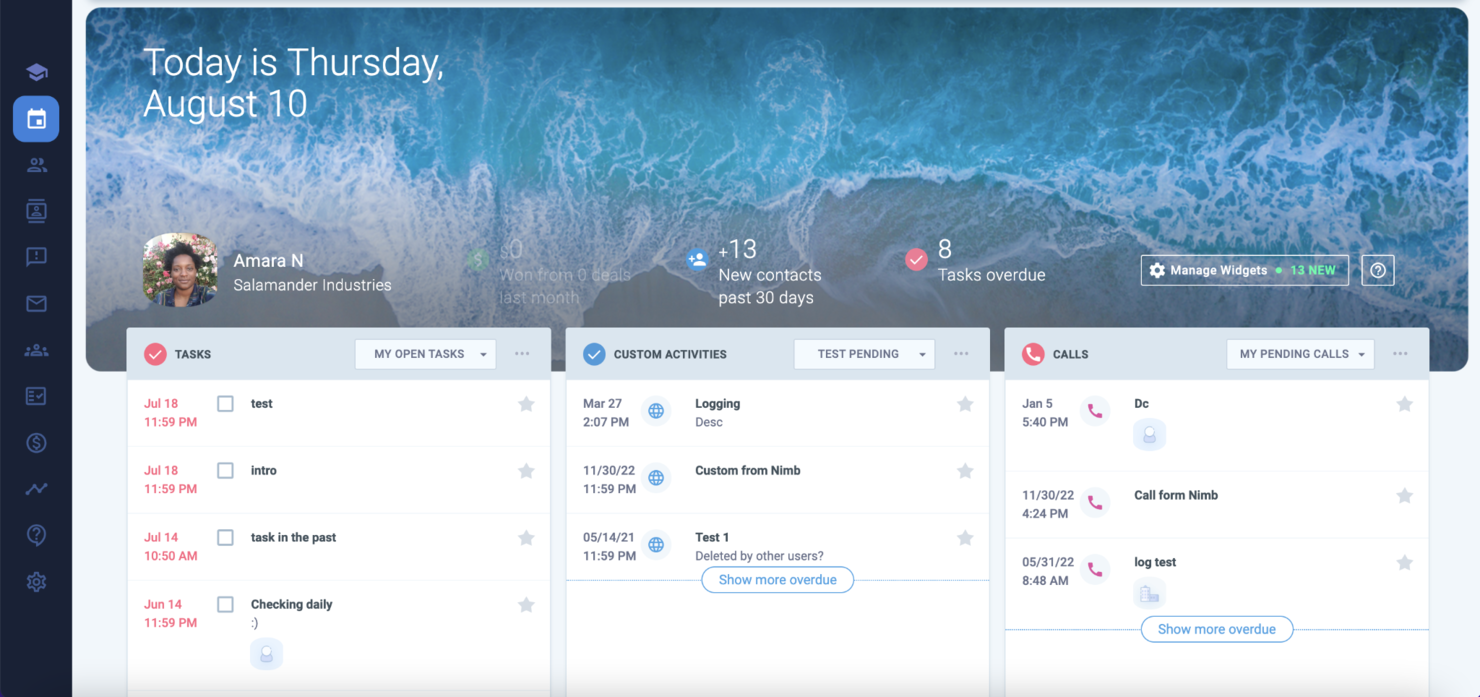
Nimble è un CRM progettato per le piccole imprese e i team di servizi che combina la gestione dei contatti, pipeline di vendita, email marketing e automazione dei flussi di lavoro in un'unica piattaforma.
Per Chi È Ideale Nimble?
Nimble è particolarmente adatto a piccoli imprenditori e professionisti dei servizi che devono gestire le relazioni con i clienti tramite email, social media e altri canali di comunicazione.
Perché Ho Scelto Nimble
Nimble è una delle mie migliori scelte grazie alla sua capacità di organizzare i contatti tra gli strumenti che il tuo team utilizza già quotidianamente. Mi piace il fatto che sincronizzi e arricchisca automaticamente le schede contatto raccogliendo profili social, dettagli aziendali e la cronologia completa delle comunicazioni, così non dovrai mai cercare il contesto prima di una chiamata con un cliente. L'estensione browser Nimble Prospector ti permette anche di acquisire e aggiornare i dettagli dei contatti direttamente da LinkedIn o da qualsiasi parte sul web, funzione che trovo davvero utile per i team di servizi che gestiscono molti rapporti con i clienti.
Funzionalità Principali di Nimble
- Tracciamento delle trattative: Visualizza lo stato di ogni opportunità cliente utilizzando bacheche personalizzabili in stile Kanban.
- Sequenze di email: Invia campagne di outreach personalizzate e a più step a segmenti di clientela direttamente dal CRM.
- Promemoria di ricontatto: Imposta richiami automatici sui singoli contatti affinché nessun rapporto con il cliente venga trascurato.
- Segmentazione dei contatti: Filtra e raggruppa i contatti tramite tag, campi personalizzati e dati delle attività per raggiungere i clienti giusti al momento giusto.
Pros and Cons
Pros:
- Arricchimento automatico dei contatti
- Tracciamento email personalizzato
- Gestione intelligente del pipeline
Cons:
- Manca di funzionalità avanzate specifiche per i servizi
- Opzioni di personalizzazione limitate

Close
Ideale per strumenti di comunicazione integrati e gestione delle vendite semplificata
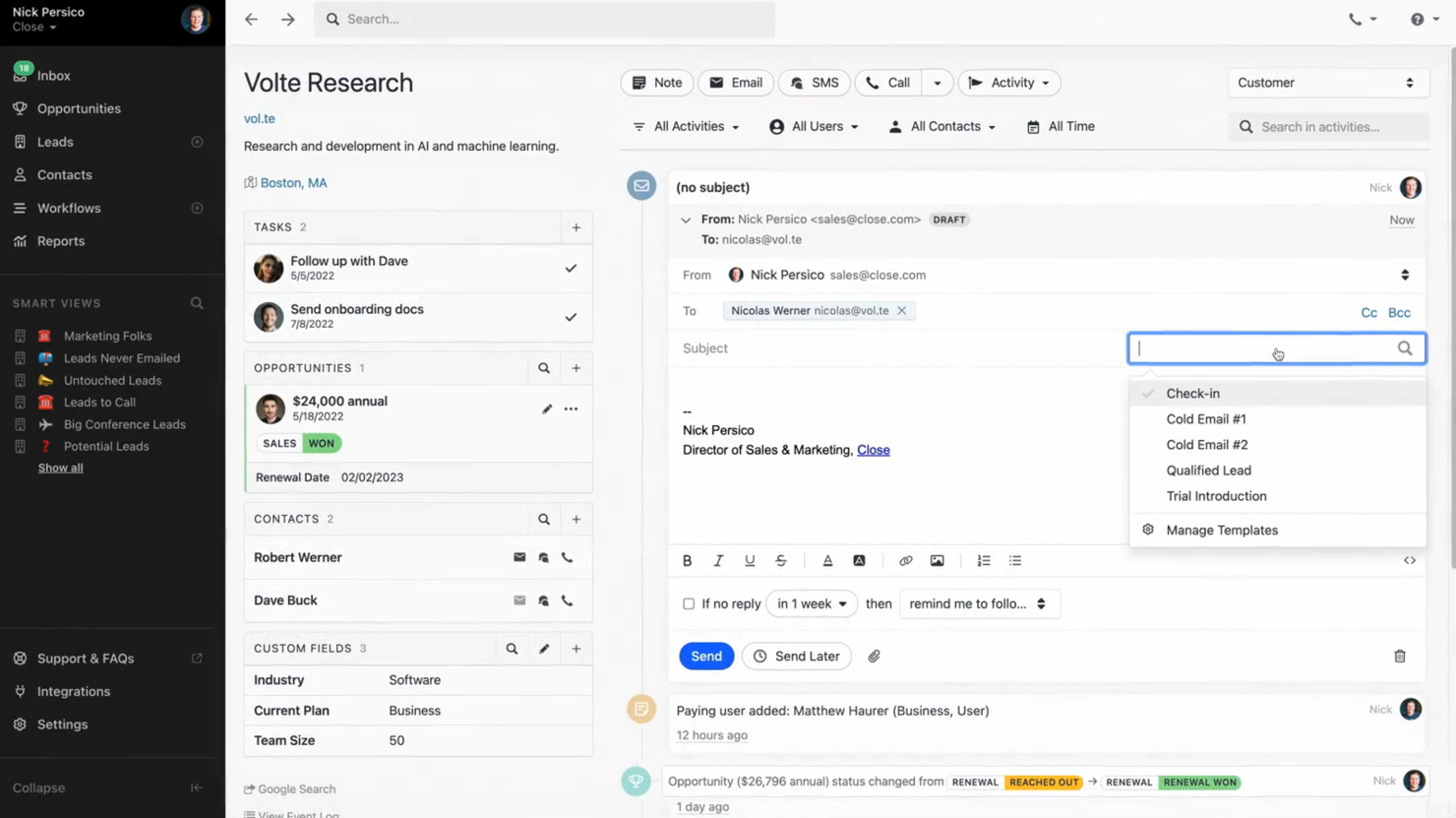
Close è un CRM per le vendite che integra chiamate, SMS, email, gestione delle pipeline e qualificazione dei lead basata su intelligenza artificiale in un'unica piattaforma per team focalizzati sulle vendite outbound.
Per chi è ideale Close?
Close è particolarmente adatto a team di vendita di piccole e medie dimensioni che gestiscono alti volumi di chiamate outbound e follow-up.
Perché ho scelto Close
Close si guadagna un posto nella mia shortlist per come accorpa l'intero stack di comunicazione in un unico posto. Invece di passare da un dialer, a un client email, a un CRM, il mio team può chiamare, inviare SMS ed email ai lead direttamente dalla stessa schermata dove vive la trattativa. Il Power Dialer integrato permette ai rappresentanti di lavorare su elenchi di chiamate ad alto volume senza digitazione manuale, e ogni conversazione viene automaticamente trascritta e registrata. Mi piace anche che l'agente AI, Chloe, gestisca le chiamate outbound e le sequenze di follow up senza bisogno di uno strumento separato aggiuntivo.
Caratteristiche principali di Close
- Smart Views: Liste di contatti dinamiche e basate su filtri che fanno emergere automaticamente i lead in base ad attività, stato o campi personalizzati.
- Gestione pipeline personalizzabile: Crea e configura più pipeline di vendita con fasi che corrispondono al tuo specifico processo di vendita.
- Automazione dei flussi di lavoro: Imposta sequenze automatiche basate su trigger che fanno avanzare i lead tra le fasi senza input manuale.
- Report delle attività: Tieni traccia di chiamate, email e attività SMS per rappresentante o team, per monitorare il volume di outreach e le prestazioni.
Pros and Cons
Pros:
- Pipeline di vendita personalizzabili e promemoria per le attività
- Automazione della gestione dei lead
- Reportistica e analisi in tempo reale forniscono metriche di performance approfondite
Cons:
- Personalizzazione limitata dei report
- Nessun supporto nativo per la gestione dei progetti

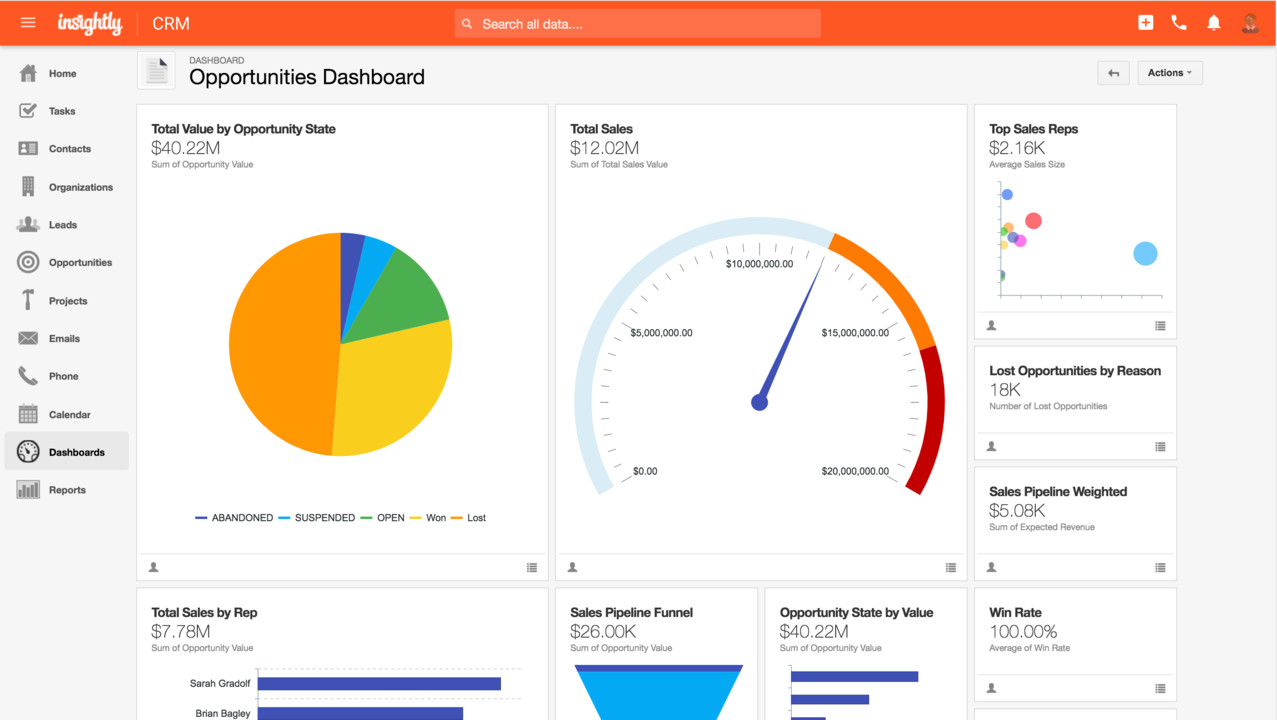
Insightly è una piattaforma CRM che combina la gestione dei contatti e delle pipeline, l'automazione del marketing e la gestione dei ticket di assistenza in un unico sistema pensato per le aziende in crescita.
Per chi è ideale Insightly?
Insightly è una soluzione adatta a piccole e medie aziende di servizi che desiderano strumenti CRM, di marketing e di supporto senza dover gestire piattaforme separate e sconnesse.
Perché ho scelto Insightly
Insightly è una delle mie scelte preferite perché apprezzo come unisce CRM, automazione del marketing e supporto ai servizi in un'unica piattaforma integrata. In particolare, mi piace il journey builder di Insightly Marketing, che consente al mio team di progettare campagne email multi-step attivate da attività CRM, come la chiusura di un affare o l'aggiunta di un nuovo tag a un contatto. Il modulo integrato Insightly Service gestisce anche ticket e monitoraggio degli SLA senza necessità di uno strumento help desk separato, mantenendo i dati dei clienti collegati durante l'intero ciclo di servizio.
Funzionalità principali di Insightly
- Collegamento delle relazioni: Collega contatti, organizzazioni e opportunità per mappare l'intera cronologia delle relazioni con i clienti in un unico record.
- Pipeline personalizzabili: Crea e gestisci più pipeline di vendita con fasi personalizzate per adattarsi al tuo flusso di lavoro di erogazione del servizio.
- Gestione dei progetti post-vendita: Trasforma opportunità vinte in progetti con assegnazione di compiti, milestone e tracciamento dei progressi.
- Dashboard e report personalizzati: Crea dashboard specifiche per ruolo utilizzando dati CRM in tempo reale per monitorare la salute delle pipeline e l'attività del team.
Pros and Cons
Pros:
- Integrazione automazione marketing
- Sistema di valutazione lead completo
- Dashboard personalizzabile per insight in tempo reale
Cons:
- Strumenti di project management limitati per team numerosi
- Non ideale per servizi non basati su progetti
Thryv
Ideale per la gestione completa delle piccole imprese
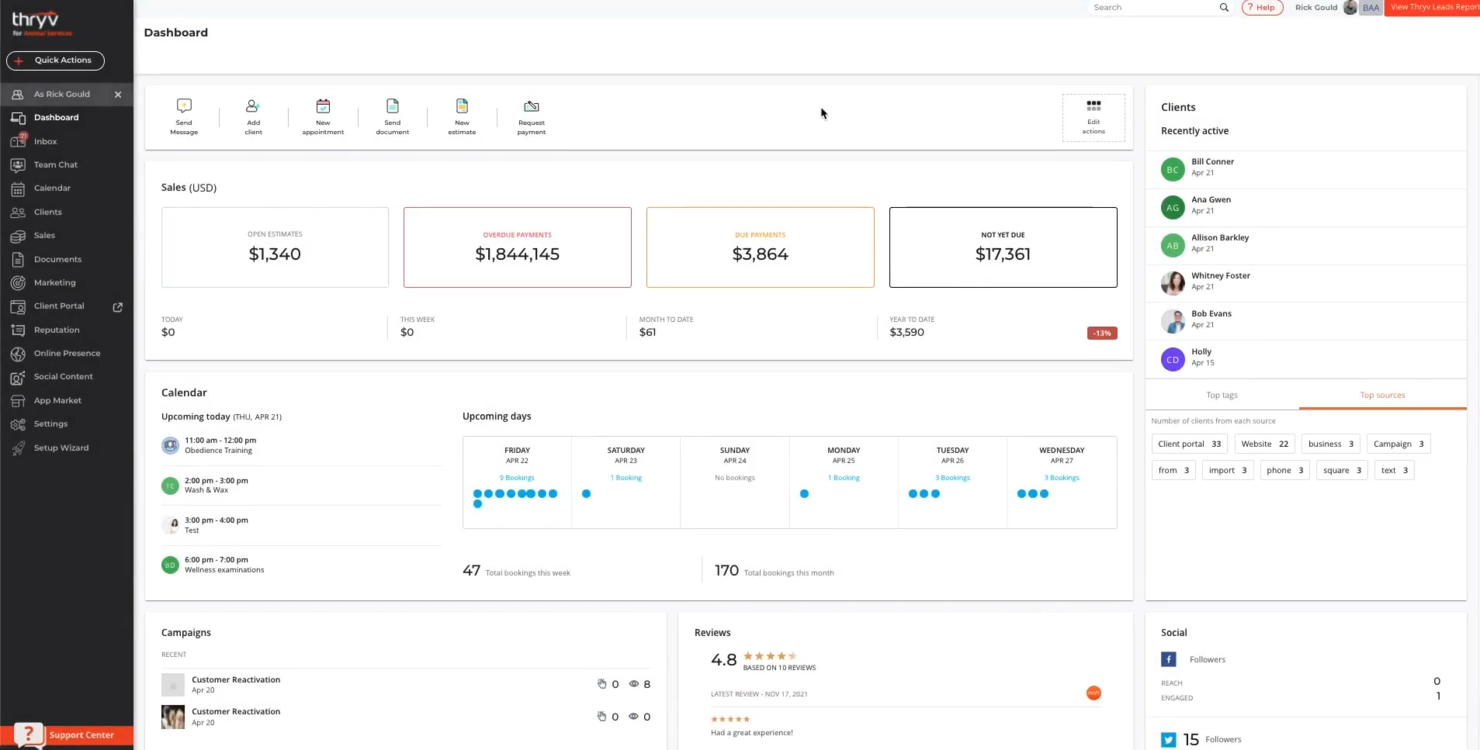
Thryv è una piattaforma CRM e di marketing per piccole imprese che combina gestione dei contatti, pianificazione online, monitoraggio delle trattative, fatturazione, gestione della reputazione e automazione del marketing in un unico posto, pensata specificamente per aziende del settore dei servizi.
Per Chi è Ideale Thryv?
Thryv è adatto a piccole imprese basate su servizi come saloni, aziende di servizi HVAC e fornitori di servizi domestici che necessitano di CRM e gestione dei clienti in un unico strumento.
Perché Ho Scelto Thryv
Thryv si è guadagnato il suo posto nella mia shortlist perché elimina la necessità di strumenti separati per la gestione dei clienti, la pianificazione e la fatturazione. Adoro poter inviare un preventivo, convertirlo in fattura e riscuotere il pagamento tramite ThryvPay tutto in un unico flusso di lavoro. Dopo il pagamento, posso attivare una richiesta di recensione automatica senza lasciare la piattaforma. Il portale clienti fornisce inoltre ai clienti uno spazio self-service per prenotare appuntamenti, effettuare pagamenti e condividere documenti direttamente con il vostro team.
Funzionalità Principali di Thryv
- Gestione della pipeline di vendita: Trascina e rilascia i lead attraverso fasi della pipeline personalizzabili per monitorare ogni trattativa dal primo contatto alla chiusura.
- Posta in arrivo unificata: Consolida i messaggi provenienti da email, SMS e social media in un'unica schermata in modo che nessuna richiesta dei clienti venga persa.
- Campagne email e SMS: Crea e invia campagne di marketing automatizzate usando modelli predefiniti rivolti alla tua lista contatti.
- Gestione delle schede aziendali: Sincronizza e gestisci le informazioni della tua attività su oltre 40 directory online direttamente dalla piattaforma.
Pros and Cons
Pros:
- Prenotazione appuntamenti con promemoria automatizzati
- Gestione integrata della reputazione
- Gestione dei lead e follow-up automatizzati
Cons:
- Personalizzazione avanzata limitata
- Funzionalità email limitate
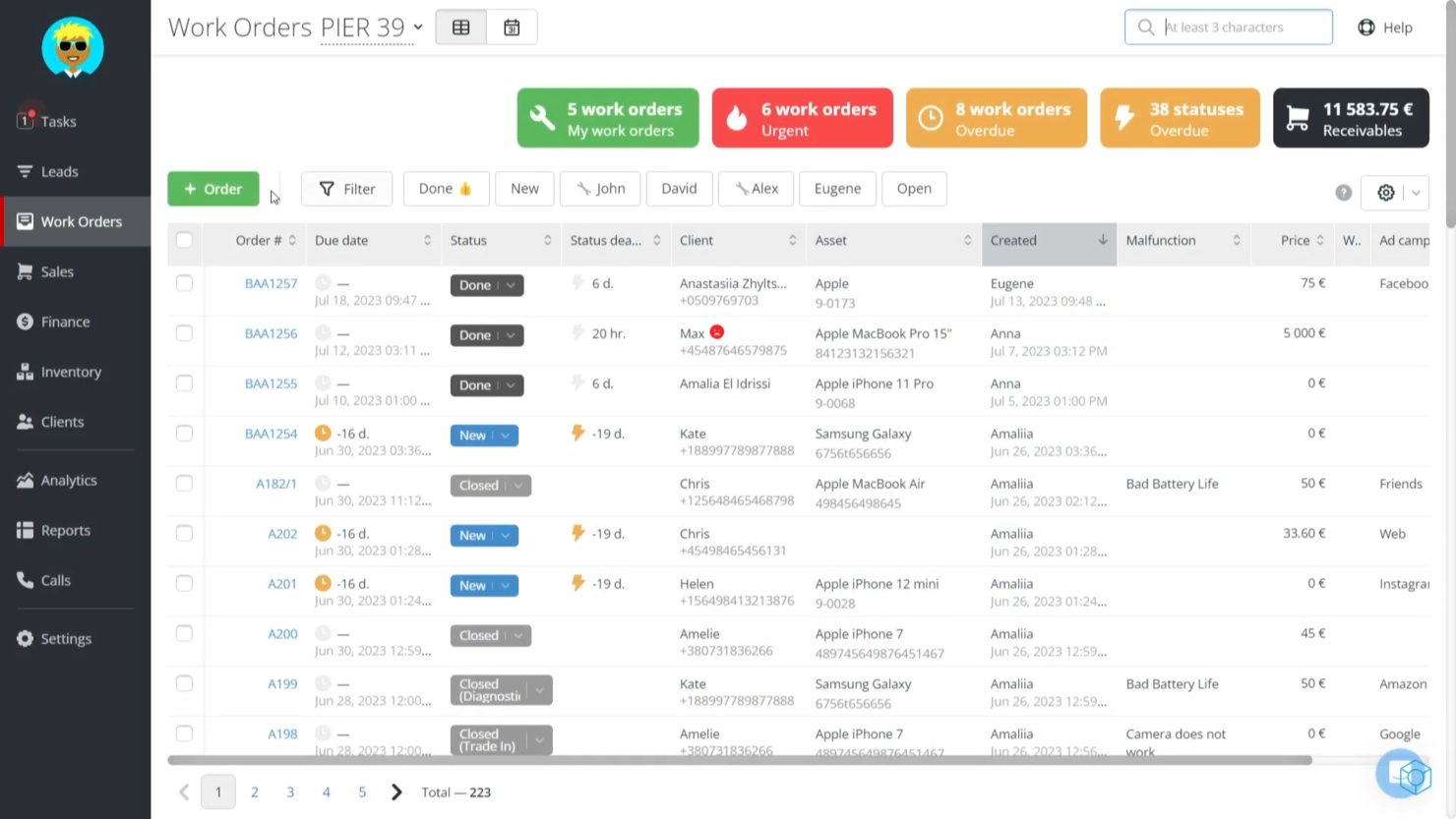
Orderry è una piattaforma CRM e operativa progettata specificamente per le aziende di servizi, che integra la gestione dei clienti, ordini di lavoro, pianificazione degli interventi, fatturazione e monitoraggio dei dipendenti in un unico sistema.
Per Chi è Ideale Orderry?
Orderry è adatto a piccole e medie imprese di servizi come officine di riparazione, aziende di assistenza sul campo e appaltatori che necessitano di un sistema completo per la gestione operativa e dei clienti.
Perché Ho Scelto Orderry
Ho scelto Orderry tra i migliori perché il suo sistema di messaggistica multicanale è davvero utile per le aziende di servizi. È possibile gestire le conversazioni in arrivo su WhatsApp, Facebook Messenger e Instagram Direct all'interno della stessa piattaforma utilizzata per gestire gli ordini di lavoro. Trovo particolarmente pratico che le chat siano collegate direttamente ai profili clienti, così il team può vedere l'intera cronologia delle interazioni prima di rispondere. È anche possibile creare lead e ordini di lavoro direttamente da una conversazione, così nulla sfugge.
Funzionalità Principali di Orderry
- Gestione ordini di lavoro: Crea e traccia gli ordini di lavoro con aggiornamenti di stato, scadenze e tecnici assegnati da una singola visuale.
- Prenotazioni online: Consenti ai clienti di fissare appuntamenti direttamente tramite un portale self-service collegato al tuo calendario.
- Notifiche automatiche: Invia ai clienti promemoria automatici e aggiornamenti sullo stato tramite SMS o email in fasi specifiche del lavoro.
- Database clienti: Conserva l'intera cronologia del cliente, inclusi lavori precedenti, pagamenti e comunicazioni, in profili individuali.
Pros and Cons
Pros:
- Tracciamento inventario specifico per lavoro
- Gestione multi-sede
- Workflow personalizzati per tipologia di servizio
Cons:
- Nessuno strumento per marketing e generazione lead
- Configurazione complessa per supporto multi-sede

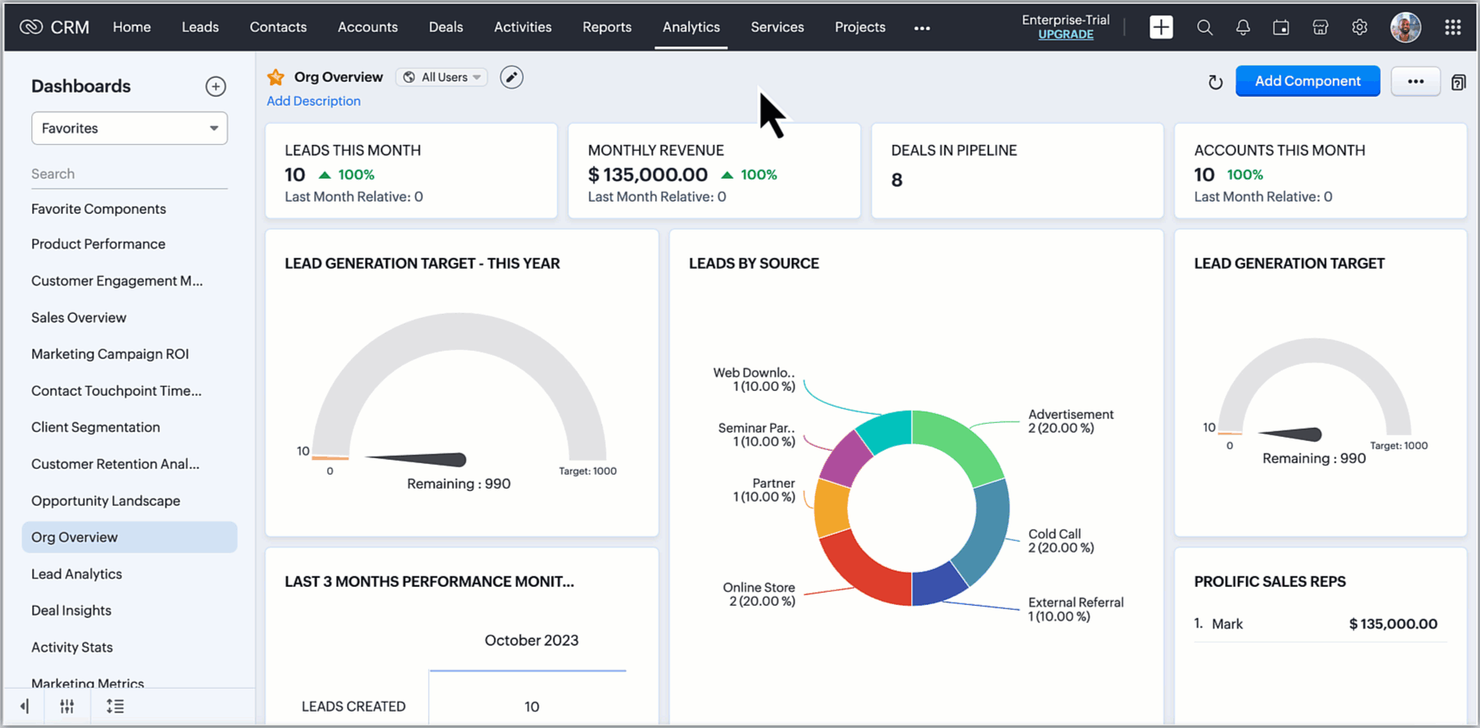
Zoho CRM è una piattaforma CRM completa che copre la gestione dei contatti, il monitoraggio delle pipeline, la comunicazione multicanale, l'automazione dei flussi di lavoro e l'analisi delle vendite lungo l'intero ciclo di vita del cliente.
Per chi è più adatto Zoho?
Zoho CRM è ideale per piccole e medie aziende di servizi che necessitano di un CRM flessibile e conveniente, personalizzabile con la crescita delle proprie operazioni.
Perché ho scelto Zoho
Ho scelto Zoho perché il suo hub di comunicazione omnicanale centralizza ogni punto di contatto con il cliente. Il mio team può rispondere a email, chat dal vivo, telefonate e interazioni sui social media senza dover cambiare strumento. Apprezzo in particolare SalesInbox integrato, che collega le email in arrivo direttamente ai record CRM così che ogni conversazione rimanga associata al giusto contatto e affare.
Funzionalità chiave di Zoho
- Blueprint: Progetta e impone flussi di lavoro di servizio passo dopo passo che guidano i consulenti attraverso ogni fase dell'interazione con il cliente.
- Assistente Zia AI: Ricevi previsioni basate sull'intelligenza artificiale, punteggi di lead e avvisi di rilevamento anomalie in base alle attività del tuo CRM.
- Segmentazione clienti: Raggruppa i contatti per settore, tipo di servizio o fase del ciclo di vita per un outreach più mirato.
- App CRM mobile: Accedi e aggiorna i record dei clienti, registra chiamate e gestisci attività direttamente dal campo.
Pros and Cons
Pros:
- Analisi dei dati basata su AI
- Automazione completa
- Funzionalità di project management native
Cons:
- Problemi occasionali di integrazione con altri software
- Curva di apprendimento ripida per le funzionalità avanzate
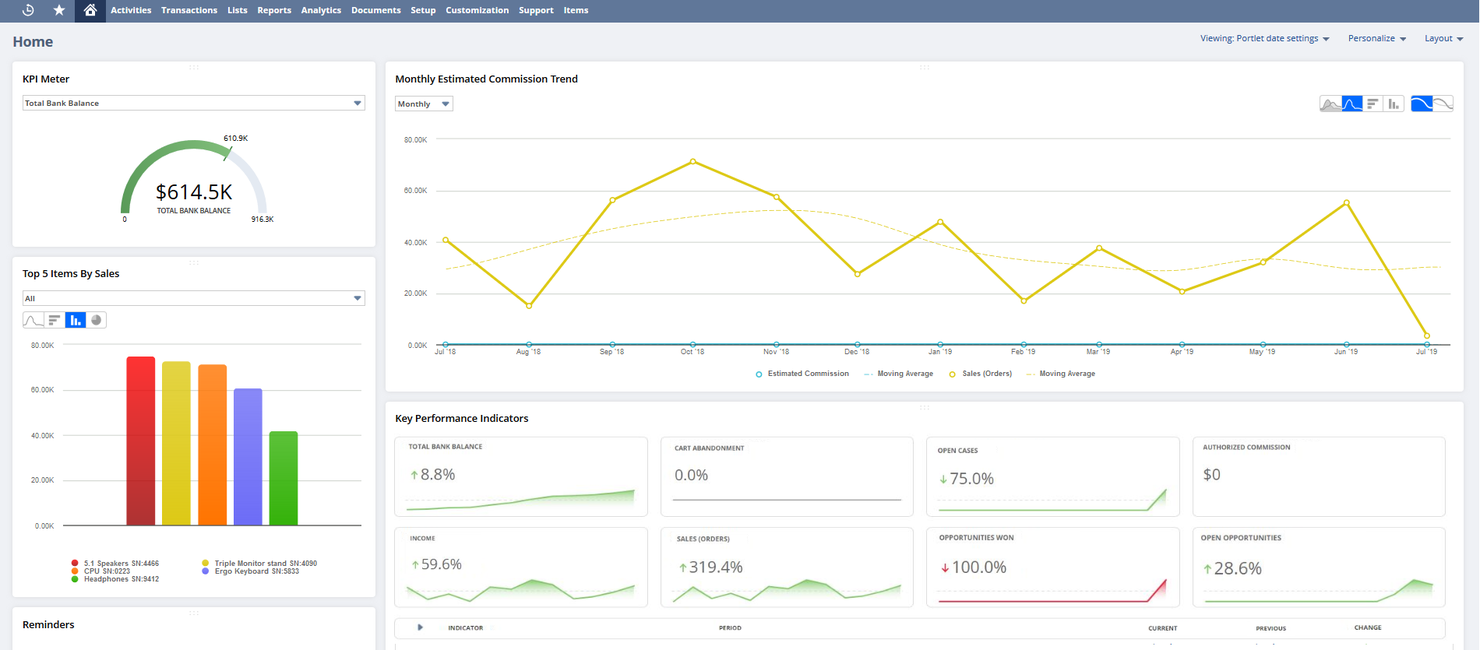
NetSuite ERP è una piattaforma basata su cloud che unifica ERP, CRM, gestione finanziaria e automazione dei servizi professionali, con strumenti integrati di automazione della forza vendita, gestione dei casi di assistenza clienti e strumenti di marketing all'interno di un unico sistema.
Per chi è ideale NetSuite ERP?
NetSuite ERP è particolarmente adatto ad aziende di servizi di medie e grandi dimensioni che necessitano di gestire finanze, relazioni con i clienti e l'erogazione dei servizi su un'unica piattaforma.
Perché ho scelto NetSuite ERP
Ho scelto NetSuite ERP come uno dei migliori perché è l'unica piattaforma in questo elenco in cui CRM, gestione finanziaria e l'erogazione dei servizi sono nativamente integrati nello stesso sistema. Quando viene aperto un caso di assistenza, il mio team può vedere l'intera cronologia delle transazioni del cliente, le fatture aperte e i dettagli del contratto di servizio senza cambiare strumento. Faccio inoltre affidamento sul dashboard Customer 360, che riporta KPI come il valore del cliente nel tempo e la redditività direttamente dai dati ERP live, e sulle regole automatiche di assegnazione dei casi, che smistano i ticket in base a criteri predefiniti e monitorano i tempi di risposta rispetto al livello di gravità.
Funzionalità principali di NetSuite ERP
- Automazione della forza vendita: Gestisci lead, monitora opportunità e accompagna le trattative attraverso una pipeline di vendita configurabile con monitoraggio integrato di quota e previsioni.
- Gestione rinnovo contratti: Tieni traccia delle date di inizio e fine dei contratti di servizio, automatizza gli avvisi di rinnovo e gestisci la fatturazione degli abbonamenti direttamente dal CRM.
- Gestione del rapporto con i partner: Condividi registrazione lead, campagne di marketing congiunte e dati di pipeline con le organizzazioni partner tramite un portale dedicato.
- Gestione dal preventivo all'ordine: Crea e invia preventivi direttamente dai record CRM, poi converti i preventivi approvati in ordini di vendita senza reinserire i dati.
Pros and Cons
Pros:
- Visibilità finanziaria in tempo reale
- Strumenti avanzati per la gestione dei progetti
- Supporto multivaluta e globale
Cons:
- Personalizzazione richiede competenze tecniche
- Automazione marketing limitata
Altri software CRM per il settore dei servizi
Di seguito trovi un elenco di ulteriori software CRM per il settore dei servizi che abbiamo selezionato, ma che non sono entrati nell’elenco principale. Vale la pena dar loro un’occhiata.
- Creatio CRM
Ideale per la personalizzazione no-code
- ClickUp
Ideale per il monitoraggio delle attività all’interno del CRM
- Freshdesk
Ideale per ticketing avanzato con intelligenza artificiale


Recensioni correlate sui software CRM
Se non hai ancora trovato quello che cerchi, dai un'occhiata a questi strumenti strettamente correlati ai software CRM che abbiamo testato e valutato.
- Software CRM
- Software per le vendite
- Software per la gestione dei lead
- Software per la business intelligence
- Software per la gestione dei contratti
- Sistema di gestione dei ricavi
- Software CPQ
Come Valuto i CRM per il Settore dei Servizi
Valuto i CRM per il settore dei servizi su due livelli: le capacità di base (monitoraggio dei lavori, pianificazione, contratti di servizio) che qualificano un fornitore e i fattori differenzianti che distinguono i migliori.
Funzionalità Principali (Requisiti Minimi per Questa Lista)
Quando seleziono gli strumenti per la mia lista, assegno a ciascuno un punteggio da 0 (non offre la funzionalità) a 5 (eccelle in questa area) per ognuna delle funzionalità principali elencate di seguito. Quindi, calcolo il punteggio totale dello strumento e lo converto in percentuale. Ogni strumento deve ottenere un punteggio minimo totale del 65% per poter essere preso in considerazione.
- Gestione Contatti & Account: Cerco profili cliente unificati che colleghino la cronologia dei servizi, i registri delle attrezzature e i log di comunicazione, in modo che un tecnico, consultando un cliente, possa vedere ogni lavoro svolto in passato.
- Monitoraggio dei Lavori di Servizio: Ogni strumento dovrebbe permettere ai team di gestire gli ordini di lavoro dalla creazione al completamento, con aggiornamenti sullo stato, checklist e allegati collegati a ogni lavoro.
- Pianificazione & Invio Operatori: Qui sono importanti lavagne di pianificazione drag-and-drop con assegnazione dei tecnici e viste calendario, soprattutto per le squadre che gestiscono più interventi al giorno.
- Gestione Pipeline & Preventivi: Valuto se è possibile creare preventivi, spostare gli affari attraverso fasi personalizzate e convertire i preventivi approvati in ordini di lavoro all'interno dello stesso sistema.
- Automazione dei Servizi & Flussi di Lavoro: Follow-up automatici, promemoria per manutenzioni ricorrenti ed escalation legate agli SLA mostrano che un CRM è stato progettato per i team di servizio, non adattato dopo.
- Reportistica & Analisi dei Ricavi: Le dashboard dovrebbero coprire la redditività dei lavori, l'utilizzo dei tecnici e i trend dei ricavi dei servizi, così i team RevOps possono fare previsioni basate su dati operativi reali.
Una volta ottenuta una lista di strumenti che soddisfano questi criteri, considero cosa distingue ogni piattaforma.
Fattori Differenzianti (Cosa Distingue i Fornitori)
Ecco come confronto e metto in risalto i diversi fornitori:
Funzionalità di Spicco
Un’app mobile da campo fa davvero la differenza per i team di servizio. Controllo se i tecnici possono aggiornare lo stato dei lavori, acquisire firme ed elaborare pagamenti senza una connessione Wi-Fi. Anche la fatturazione integrata è fondamentale: quando un preventivo si trasforma in fattura direttamente nel CRM, il ciclo dalla proposta al pagamento si accorcia notevolmente. Valuto inoltre l’efficacia della piattaforma nella gestione dei contratti di servizio ricorrenti, dato che accordi di manutenzione e rinnovi automatici sono fondamentali per garantire entrate prevedibili alle aziende di servizi.
Oltre le Funzionalità
Valuto sempre l’integrazione nell’ecosistema. Un CRM per il servizio che si collega nativamente a QuickBooks o Xero offre ai team RevOps una visibilità completa dal preventivo all’incasso. Anche l’aderenza al settore è importante: verifico se la piattaforma include template e flussi di lavoro costruiti per verticali dei servizi come HVAC, pulizia o servizi IT, invece di richiedere pesanti personalizzazioni. Faccio molta attenzione anche alla struttura dei prezzi, soprattutto se la tariffazione per tecnico o per utente permette di scalare in modo equo man mano che cresce il tuo team sul campo.
Come scegliere il software CRM per il settore dei servizi
Mentre affronti il processo di selezione del software più adatto alle tue esigenze, tieni presenti i seguenti aspetti:
- Capacità di integrazione: assicurati che il CRM possa integrarsi con gli strumenti e i sistemi esistenti.
- Scalabilità: scegli un CRM in grado di crescere insieme alla tua attività. Con l'espansione della tua attività di servizi, il CRM dovrebbe essere in grado di gestire una quantità maggiore di dati e una maggiore complessità senza compromettere le prestazioni.
- Facilità d'uso: opta per un'interfaccia intuitiva che faciliti l'adozione da parte del tuo team. Un CRM dal design intuitivo può ridurre la curva di apprendimento e migliorare la produttività, garantendo che il tuo team possa adattarsi rapidamente al nuovo sistema.
- Personalizzazione: cerca un sistema che consenta di creare soluzioni su misura per semplificare i flussi di lavoro e adattarsi alle esigenze del team. Il software dovrebbe offrire opzioni di personalizzazione adattabili ai processi specifici della tua attività di servizi, migliorando l'efficienza e l'efficacia.
- Assistenza clienti e formazione: un'assistenza clienti e una formazione affidabili sono fondamentali per un'implementazione efficace del CRM. Un fornitore di CRM che offre un'assistenza completa e formazione può aiutare il tuo team a sfruttare al massimo il potenziale del software e a risolvere tempestivamente eventuali problemi.
Tendenze del software CRM per il settore dei servizi
Ecco alcune tendenze che ho notato nel software CRM per il settore dei servizi e cosa potrebbero significare per il futuro. Ho esaminato innumerevoli aggiornamenti di prodotto, comunicati stampa e registri delle versioni per individuare gli aspetti più importanti.
- Integrazione dell'intelligenza artificiale e dell'apprendimento automatico: l'intelligenza artificiale e l'apprendimento automatico stanno trasformando i sistemi CRM automatizzando le attività ripetitive e fornendo informazioni predittive, consentendo alle aziende di migliorare l'efficienza operativa e il servizio clienti attraverso un processo decisionale basato sui dati.
- Soluzioni CRM omnicanale: le soluzioni CRM omnicanale stanno diventando essenziali, consentendo interazioni fluide con i clienti su diverse piattaforme. Questa tendenza è importante perché garantisce un'esperienza cliente coerente, fondamentale per mantenere la soddisfazione e la fidelizzazione dei clienti.
- Piattaforme a basso codice e senza codice: la diffusione delle piattaforme CRM a basso codice e senza codice consente agli utenti non tecnici di creare flussi di lavoro personalizzati. Questo democratizza la personalizzazione del CRM, permettendo alle aziende di adattarsi rapidamente alle esigenze in evoluzione senza un forte coinvolgimento del reparto IT.
- Applicazioni CRM per dispositivi mobili: le applicazioni CRM per dispositivi mobili stanno diventando sempre più popolari, fornendo ai team remoti accesso in tempo reale ai dati dei clienti. Questa tendenza è importante perché supporta una forza lavoro flessibile e migliora la produttività, consentendo la gestione delle relazioni con i clienti anche in mobilità.
- Maggiore sicurezza dei dati: con le crescenti preoccupazioni relative alla privacy dei dati, le misure di sicurezza avanzate nei sistemi CRM stanno diventando una priorità. Questa tendenza è fondamentale perché aiuta le aziende a proteggere le informazioni sensibili dei clienti e a rispettare le normative, creando fiducia nei loro confronti.
Il software CRM per il settore dei servizi è in rapida evoluzione, con nuove tecnologie che migliorano l'efficienza e la soddisfazione dei clienti. Tendenze come l'integrazione dell'intelligenza artificiale, le soluzioni omnicanale e le piattaforme a basso codice consentono alle aziende di semplificare le operazioni e offrire esperienze più personalizzate. Rimanere aggiornati su questi cambiamenti può aiutare i fornitori di servizi ad adattarsi e prosperare in un mercato sempre più competitivo.
Che cos'è il software CRM per il settore dei servizi?
Il software CRM per il settore dei servizi è uno strumento che aiuta le aziende a gestire efficacemente le relazioni e le interazioni con i clienti. È ampiamente utilizzato dai team di vendita, marketing e assistenza clienti per monitorare le interazioni con i clienti, gestire i lead e individuare opportunità di vendita aggiuntiva. Il software centralizza i dati dei clienti, fornendo informazioni sul loro comportamento e sulle loro preferenze, aiutando così le aziende a offrire esperienze personalizzate e a migliorare la soddisfazione dei clienti.
Tra i componenti principali del software CRM per il settore dei servizi figurano la gestione dell'assistenza clienti, gli hub di integrazione, la gestione dei servizi sul campo, l'automazione dell'esperienza dei dipendenti e l'automazione a basso codice e intelligente. Questi componenti lavorano insieme per semplificare i processi, migliorare l'efficienza e ridurre i costi. I sistemi CRM offrono inoltre analisi avanzate dell'assistenza, integrazione con i social media, accessibilità da dispositivi mobili, automazione dei flussi di lavoro e opzioni di personalizzazione, risultando essenziali per le aziende che desiderano crescere e mantenere solide relazioni con i clienti.
Funzionalità del software CRM per il settore dei servizi
Scegliere il software CRM giusto è essenziale per una gestione efficiente delle vendite e per ottenere informazioni sulla tua esperienza utente. Quando selezioni uno strumento CRM, considera diverse funzionalità chiave che possono influire significativamente sul successo aziendale, tra cui:
- Gestione dei contatti: Un hub centralizzato per organizzare i dati dei clienti e le informazioni di contatto e facilitare interazioni senza intoppi. Questa funzionalità è essenziale per conservare registri dettagliati delle interazioni con i clienti e garantire che tutti i reparti abbiano accesso a informazioni aggiornate.
- Gestione dei lead: Aiuta a dare priorità ai lead e a monitorarli, ottimizzando la pipeline di vendita e l'allocazione delle risorse. Una gestione efficace dei lead garantisce che i potenziali clienti siano seguiti adeguatamente, aumentando le probabilità di conversione.
- Monitoraggio delle opportunità: Monitora l'avanzamento delle potenziali trattative, favorendo le previsioni dei ricavi e il processo decisionale strategico. Questa funzionalità aiuta le aziende a tenere sotto controllo le opportunità di vendita e a prendere decisioni informate sull'allocazione delle risorse.
- Integrazione della posta elettronica: Integra le comunicazioni via email con il CRM, garantendo che non vengano perse interazioni importanti. L'integrazione della posta elettronica con il CRM consente una comunicazione senza intoppi e garantisce che tutte le interazioni con i clienti vengano registrate e siano accessibili.
- Gestione delle attività: Semplifica i flussi di lavoro assegnando attività e monitorando i progressi, migliorando la responsabilizzazione e la soddisfazione dei clienti. Le funzionalità di gestione delle attività aiutano a garantire che tutti i membri del team siano consapevoli delle proprie responsabilità e delle scadenze.
- Integrazione del calendario: Facilita una gestione efficiente del tempo sincronizzando i programmi all'interno del CRM. Questa funzionalità, in genere basata sul cloud, aiuta i team a coordinare le proprie attività ed evitare conflitti di programmazione.
- Automazione del marketing: Personalizza i messaggi e analizza l'efficacia delle campagne. Gli strumenti di automazione del marketing aiutano le aziende a raggiungere il proprio pubblico di riferimento con messaggi personalizzati e a monitorare il successo delle attività di marketing.
- Personalizzazione: Consente alle aziende di adattare il CRM alle proprie esigenze specifiche, inclusa l'aggiunta di funzionalità e l'integrazione con i sistemi esistenti. La personalizzazione garantisce che il CRM possa adattarsi ai requisiti specifici di ogni azienda.
- Integrazioni di terze parti: La compatibilità con altri software aziendali è fondamentale per garantire operazioni senza intoppi. L'integrazione del CRM con altri strumenti aumenta la produttività e riduce l'inserimento manuale dei dati.
- Accesso da dispositivi mobili: Consente di accedere alle funzionalità del CRM ovunque ci si trovi, migliorando flessibilità e reattività. Un'app mobile garantisce che i membri del team possano rimanere connessi e produttivi anche quando si trovano lontano dall'ufficio.
La scelta del software CRM giusto per il settore dei servizi implica la valutazione di determinate funzionalità CRM che migliorano la gestione delle relazioni con i clienti e l'efficienza operativa. Concentrandosi sulle funzionalità essenziali, le aziende possono assicurarsi di scegliere una soluzione CRM semplice in linea con le proprie esigenze e in grado di sostenerne la crescita.
Costi e prezzi dei software CRM per il settore dei servizi
Questa sezione fornisce una stima dei piani e dei costi medi dei software CRM per il settore dei servizi.
Tabella comparativa dei piani dei software CRM per il settore dei servizi
| Tipo di piano | Prezzo medio | Funzionalità comuni |
| Piano gratuito | $0 | Gestione di base dei contatti, utenti limitati, reportistica di base |
| Piano personale | $10 - $30 per utente/mese | Integrazione della posta elettronica, gestione delle attività, automazione di base, personalizzazione limitata |
| Piano aziendale | $60 - $100 per utente/mese | Reportistica avanzata, automazione dei flussi di lavoro, integrazioni con altri strumenti, accesso da dispositivi mobili |
| Piano per grandi imprese | $150 - $300+ per utente/mese | Dashboard personalizzabili, analisi basate sull'intelligenza artificiale, sicurezza avanzata, supporto dedicato |
Domande frequenti sul software CRM per il settore dei servizi
Ecco alcune risposte alle domande frequenti che potresti avere sul software CRM per il settore dei servizi e sul suo funzionamento:
In che modo il software CRM può migliorare la fedeltà e la fidelizzazione dei clienti nel settore dei servizi?
Il software CRM migliora la fidelizzazione dei clienti fornendo un’assistenza personalizzata e monitorando le interazioni. Centralizza i dati dei clienti, consentendo comunicazioni e servizi su misura. I follow-up automatizzati aiutano inoltre ad affrontare proattivamente le problematiche, aumentando la soddisfazione e favorendo relazioni a lungo termine.
Quali sono i potenziali svantaggi dell'implementazione di un software CRM in un'azienda di servizi?
Sebbene il software CRM offra numerosi vantaggi, presenta anche alcuni svantaggi. L’implementazione, come la migrazione dei dati e l’integrazione del sistema, può richiedere molto tempo ed essere costosa. L’investimento iniziale e i costi ricorrenti possono essere significativi, soprattutto per le piccole aziende. Possono inoltre crearsi silos di dati se il CRM non è ben integrato con gli altri sistemi. Una pianificazione adeguata, la formazione e la scelta del CRM giusto possono contribuire ad affrontare queste difficoltà.
Quali sono le migliori pratiche per un'implementazione efficace del CRM nel settore dei servizi?
Un’implementazione efficace del CRM nel settore dei servizi richiede obiettivi chiari e la scelta di un CRM adatto alle esigenze della tua azienda. Assicurati che l’inserimento dei dati sia accurato e crea un’infrastruttura dati solida a supporto del CRM. Fornisci formazione a tutti gli utenti per ridurre gli errori e massimizzare i vantaggi. Aggiorna e pulisci regolarmente i dati e monitora le prestazioni utilizzando KPI e analisi del ROI per misurare l’efficacia. Allinea gli obiettivi del CRM con gli obiettivi aziendali complessivi per ottenere i migliori risultati.
In che modo il software CRM può automatizzare le attività amministrative in un'azienda di servizi?
Il software CRM automatizza attività come l’inserimento dei dati, le email di follow-up e la fatturazione, lasciando più tempo per il lavoro più importante. Può inoltre gestire i flussi di lavoro, ad esempio inviando risposte e sondaggi automatizzati. Questo aumenta l’efficienza, riduce gli errori e aiuta le aziende a concentrarsi su un servizio clienti migliore.
Qual è la curva di apprendimento del software CRM?
La maggior parte dei software CRM è progettata con interfacce intuitive, ma la curva di apprendimento può variare a seconda della complessità e delle funzionalità necessarie. È importante scegliere uno strumento adeguato al livello di dimestichezza tecnologica del tuo team. Alcuni CRM offrono inoltre risorse di formazione o assistenza per aiutare il team a diventare operativo più rapidamente.
Il software CRM può aiutare a monitorare i problemi del servizio clienti?
Sì, gli strumenti CRM sono ideali per registrare e monitorare i problemi del servizio clienti. Il tuo team può creare un caso per ogni problema, assegnarlo alla persona giusta e monitorare i progressi fino alla risoluzione. Questo garantisce che nulla venga trascurato e contribuisce a mantenere i clienti soddisfatti.
Cosa succede ora:
Se stai cercando informazioni sul software CRM per il settore dei servizi, contatta gratuitamente un consulente SoftwareSelect per ricevere consigli personalizzati.
Compili un modulo e fai una breve conversazione durante la quale verranno analizzate nel dettaglio le tue esigenze. Poi riceverai una lista ristretta di software da esaminare. Ti offriranno supporto durante l'intero processo di acquisto, comprese le negoziazioni sul prezzo.