

10 Migliori Software per la Gestione delle Competenze di Vendita Recensiti nel 2026

10 Migliori software per la compensazione delle vendite - Shortlist


Un software per la compensazione delle vendite rende semplice automatizzare il monitoraggio delle commissioni, gestire gli incentivi e motivare il tuo team commerciale—tutto da un’unica piattaforma. Con lo strumento giusto puoi ottimizzare i pagamenti, ridurre gli errori e mantenere i tuoi venditori concentrati sul raggiungimento degli obiettivi.
Ho testato le migliori soluzioni software per la compensazione delle vendite e le ho recensite qui per aiutarti a trovare facilmente quella più adatta alla tua azienda.
Perché fidarsi dei nostri consigli sui software
Le nostre recensioni riflettono il nostro giudizio indipendente, non un discorso di vendita. Scopri come manteniamo la trasparenza.
Per questa guida, abbiamo valutato gli strumenti attraverso test pratici e ricerche indipendenti, assegnando un punteggio agli strumenti in base ai nostri criteri di selezione.
Le nostre recensioni riflettono il nostro giudizio editoriale umano, non un discorso di vendita.
Riepilogo dei migliori software per la compensazione delle vendite
Questa tabella comparativa riassume i dettagli dei prezzi per la mia selezione dei migliori software per la compensazione delle vendite, aiutandoti a trovare quello più adatto al tuo budget e alle tue esigenze di business.
| Tool | Best For | Trial Info | Price | ||
|---|---|---|---|---|---|
| 1 | Ideale per piani commissione senza codice | Demo gratuita disponibile | Prezzo su richiesta | Website | |
| 2 | Ideale per la visibilità in tempo reale sui guadagni | Demo gratuita disponibile | Prezzi su richiesta | Website | |
| 3 | Ideale per team di livello enterprise | Demo gratuita disponibile | Prezzo su richiesta | Website | |
| 4 | Ideale per l'automazione dei piani di commissione alimentata dall'AI | Piano gratuito disponibile | A partire da $31.50/utente/mese | Website | |
| 5 | Il miglior software di compensazione adattivo con IA facile da usare | Demo gratuita disponibile | Prezzo su richiesta | Website | |
| 6 | Ideale per la previsione scalabile degli incentivi | Demo gratuita disponibile | Prezzo su richiesta | Website | |
| 7 | Ideale per la conformità con normative globali | Prova gratuita di 30 giorni disponibile | Prezzi su richiesta | Website | |
| 8 | Ideale per piccole e medie imprese | Demo gratuita disponibile | Da $25/utente/mese | Website | |
| 9 | Ideale per team di vendita grandi e complessi | Demo gratuita disponibile | Prezzo su richiesta | Website | |
| 10 | Ideale per la gestione di incentivi multilivello | Demo gratuita disponibile | Prezzo su richiesta | Website |
Recensioni dei migliori software per la compensazione delle vendite
Qui sotto trovi i miei riepiloghi dettagliati dei migliori software per la compensazione delle vendite che sono entrati nella mia shortlist. Le mie recensioni ti offrono una panoramica completa delle funzionalità chiave di ogni strumento, vantaggi e svantaggi, integrazioni e casi d’uso ideali per aiutarti a trovare quello perfetto per te.

Ideale per piani commissione senza codice

Everstage è una piattaforma per la gestione delle compensazioni di vendita progettata per team di revenue operations e responsabili delle vendite che vogliono automatizzare il calcolo delle commissioni, aumentare la trasparenza sui pagamenti e offrire ai rappresentanti una visibilità in tempo reale sui loro guadagni.
Per chi è ideale Everstage?
Everstage è particolarmente adatto a team di vendita di medie e grandi dimensioni che necessitano di una soluzione scalabile per gestire strutture commissionali complesse e multi-variabili senza dover ricorrere a ingegneri o a fogli di calcolo.
Perché ho scelto Everstage
Ho scelto Everstage per il suo designer di piani senza codice, che gestisce strutture commissionali che altrimenti richiederebbero il supporto di uno sviluppatore o una moltitudine di formule su fogli di calcolo. È possibile costruire, testare e modificare piani complessi—acceleratori a scaglioni, crediti frazionati o strutture multivaluta—direttamente nell'interfaccia utente senza scrivere una sola riga di codice. Utilizzo la funzione Time Machine per simulare come una modifica proposta al piano avrebbe impattato sui pagamenti in base alle performance storiche prima di implementarla, riducendo l'incertezza nella progettazione dei piani. Il costruttore di logica condizionale consente inoltre di impostare regole per soglie di importo opportunità o suddivisioni di rinnovi senza coinvolgere l'IT.
Funzionalità principali di Everstage
- Dashboard guadagni per i rappresentanti: I rappresentanti possono visualizzare in tempo reale la ripartizione delle proprie commissioni, il raggiungimento delle quote e le proiezioni di guadagno direttamente sulla piattaforma.
- Flussi di approvazione dei pagamenti: I team Finance e RevOps possono rivedere, contestare e approvare i pagamenti delle commissioni tramite un workflow strutturato prima che vengano processati.
- Reportistica per il riconoscimento dei ricavi ASC 606: Everstage genera report pronti per l'audit conformi agli standard ASC 606 a supporto delle revisioni contabili e di conformità sui compensi.
- Gestione delle quote: Imposta, assegna e modifica gli obiettivi di quota a livello individuale o di team, con tracciamento collegato direttamente all'esecuzione dei piani commissione.
Integrazioni Everstage
Le integrazioni includono Salesforce, HubSpot, Microsoft Dynamics CRM, Zoho CRM, Netsuite, Stripe, QuickBooks, Shopify, Bamboo HR e Slack.
Pros and Cons
Pros:
- Trasparenza in tempo reale sulle commissioni
- La piattaforma senza codice permette di gestire i piani senza conoscenze tecniche
- Gli utenti possono accedere ai dati storici per analizzare le performance passate
Cons:
- A volte si riscontrano ritardi nella sincronizzazione dei dati
- La configurazione iniziale può richiedere tempo

Qobra
Ideale per la visibilità in tempo reale sui guadagni
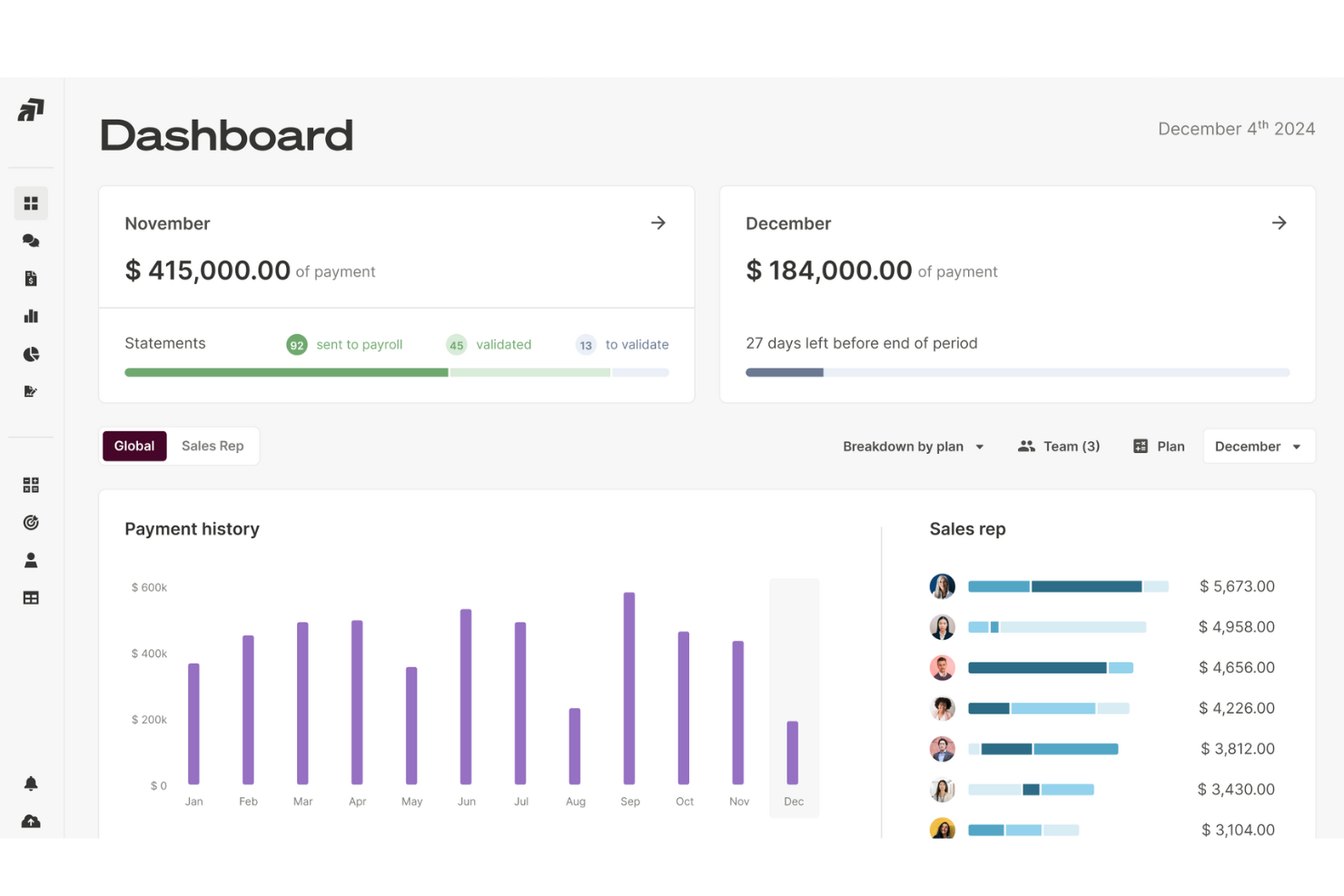
Qobra è una piattaforma di gestione delle provvigioni di vendita pensata per i team di revenue operations e i responsabili vendite che necessitano di calcoli delle commissioni automatizzati, reportistica trasparente e gestione flessibile dei piani per ridurre gli errori e aumentare la fiducia nei programmi di incentivazione.
Per Chi è Qobra?
Qobra è particolarmente adatto a team di vendita di medie e grandi dimensioni che cercano un modo strutturato e semplice da amministrare per gestire e comunicare piani di commissione complessi su larga scala.
Perché Ho Scelto Qobra
Ho selezionato Qobra per la sua capacità di offrire visibilità in tempo reale sui guadagni ai rappresentanti di vendita. Appena un venditore conclude un affare in Salesforce, il suo prospetto commissionale si aggiorna istantaneamente—senza dover aspettare la fine del mese per sapere a che punto si trova. Mi piacciono anche i dashboard personalizzati, che permettono ai venditori di monitorare i propri KPI e vedere nel dettaglio ogni calcolo. Le notifiche sulle performance inviano aggiornamenti in tempo reale tramite Slack, così i venditori rimangono sempre aggiornati sui loro guadagni anche lontano dalla scrivania.
Caratteristiche Principali di Qobra
- Costruttore di piani no-code: Progetta e gestisci i piani di compensazione grazie a un'interfaccia drag-and-drop, senza bisogno di competenze tecniche o supporto di sviluppatori.
- Simulazione dei piani e ambiente sandbox: Metti alla prova nuovi piani di commissione o modifiche in un ambiente isolato prima della loro applicazione al team.
- Flusso di convalida e blocco: Gestisci le approvazioni delle commissioni attraverso un processo di firma strutturato che coinvolge manager, HR e team finanziario.
- Challenge in-app: Crea incentivi competitivi tra i venditori direttamente dalla piattaforma per stimolare la performance.
- Agenti QobrAI: Utilizza The Architect, The Analyst e The Sales Coach per creare piani all'istante, rilevare anomalie nei calcoli e fornire al team commerciale insight proattivi.
Integrazioni di Qobra
Le integrazioni includono Salesforce, HubSpot, Microsoft Dynamics 365, Google BigQuery, Snowflake, Slack, Workday, BambooHR, Google Drive e un'API per integrazioni personalizzate.
Pros and Cons
Pros:
- Visibilità istantanea nella suddivisione delle commissioni
- Automatizza il calcolo manuale delle commissioni
- Supporta modelli di retribuzione complessi come acceleratori e bonus ibridi
Cons:
- Problemi saltuari con l'integrazione ai sistemi esistenti
- La sincronizzazione dei dati o gli aggiornamenti di sistema possono subire ritardi occasionali

Xactly
Ideale per team di livello enterprise
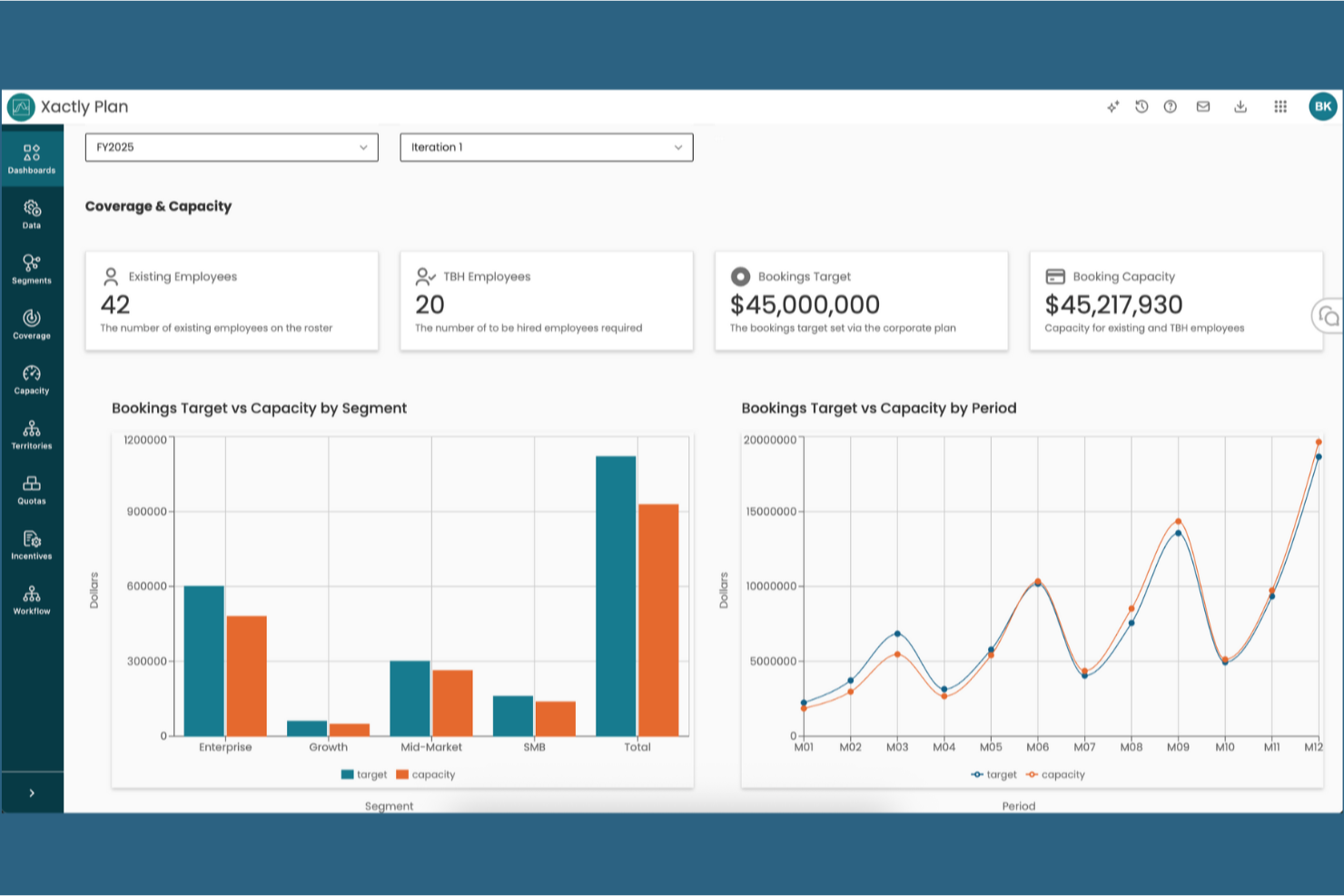
Xactly è una piattaforma di gestione delle compensazioni di vendita progettata per grandi organizzazioni che necessitano di automatizzare processi di commissioni complessi, migliorare la precisione dei pagamenti e ottenere informazioni in tempo reale sulle prestazioni di vendita.
Per chi è ideale Xactly?
Xactly è particolarmente indicato per organizzazioni di vendita enterprise che gestiscono team di vendita ampi e distribuiti con strutture di compensazione multilivello e ad alto volume.
Perché ho scelto Xactly
Xactly merita il suo posto tra i migliori della mia selezione perché è progettato per gestire la scala e la complessità che caratterizzano le organizzazioni di vendita enterprise. Apprezzo il motore di calcolo di Xactly Incent che può elaborare miliardi di transazioni ogni mese e supportare decine di migliaia di destinatari dei pagamenti—non è una caratteristica che molti strumenti possono vantare. Trovo anche particolarmente utile il motore di simulazione Xactly Design: si possono modellare scenari 'what-if' tra varianti di piani premianti migliori o a riduzione di costi prima del rilascio effettivo, riducendo così le congetture nei cambiamenti su larga scala. I dati proprietari di benchmarking sui salari e le prestazioni, raccolti in oltre 20 anni, offrono ai team di compensazione enterprise un reale vantaggio nella progettazione di piani competitivi e allineati agli obiettivi di business.
Funzionalità chiave di Xactly
- Gestione di territori e quote: Definisci, assegna e regola territori di vendita e quote direttamente dalla piattaforma per mantenere i piani allineati alla strategia go-to-market.
- Dashboard delle compensazioni in tempo reale: Fornisci a rappresentanti e manager visibilità immediata su guadagni, raggiungimento degli obiettivi e stato dei pagamenti senza attendere report di fine periodo.
- Tracciabilità delle revisioni e conformità: Registra automaticamente ogni modifica e calcolo delle compensazioni per supportare audit interni e requisiti normativi.
- Connettori dati CRM ed ERP: Importa i dati direttamente dai sistemi collegati per garantire che i calcoli delle commissioni si basino su informazioni di vendita e ricavo accurate e aggiornate.
Integrazioni Xactly
Le integrazioni includono Salesforce, Microsoft, Oracle, Workday, ServiceNow, Amazon Web Services e KPMG.
Pros and Cons
Pros:
- Affidabile nella gestione delle strutture di compensazione più complesse su scala enterprise.
- Configurazioni flessibili dei piani che incentivano comportamenti di vendita strategici.
- La visibilità in tempo reale sulle commissioni migliora la fiducia e la fidelizzazione dei rappresentanti.
Cons:
- Personalizzazione limitata per i report.
- Opzioni di risoluzione delle controversie insufficienti.
New Product Updates from Xactly
Xactly and ServiceNow Connect CRM Workflows to Revenue Performance
Xactly has partnered with ServiceNow to connect Xactly’s Intelligent Revenue Platform with ServiceNow CRM, embedding revenue performance intelligence into CRM workflows and surfacing commission and quota impacts in CPQ and Sales CRM. For more information, visit Xactly's official site.
 .
.
Driven è una piattaforma di compensazione vendite nativa AI che automatizza il calcolo delle commissioni, la progettazione dei piani, la revisione delle controversie e il monitoraggio delle prestazioni dei rappresentanti tramite un'interfaccia agentica senza codice.
Per chi è più adatto Driven?
Driven è particolarmente indicato per team commerciali di piccole e medie dimensioni che utilizzano HubSpot o Salesforce e desiderano abbandonare i fogli di calcolo senza dover affrontare una lunga implementazione.
Perché ho scelto Driven
Driven si guadagna il suo posto nella mia lista ristretta grazie a come il suo agente AI gestisce l'intero ciclo di vita delle commissioni, non solo i calcoli. Mi piace il fatto che il Performance Agent identifichi quali comportamenti dei rappresentanti generano effettivamente ricavi e individui dove un piano di compensazione necessita di essere corretto. La funzione Autopilot Reviews esamina i commenti sulle trattative e risolve automaticamente le controversie, eliminando il ping-pong manuale tra finanza e vendite.
Caratteristiche principali di Driven
- Interfaccia costruttore di piani: Gli utenti possono creare piani di commissione complessi utilizzando un costruttore senza codice basato su chat oppure una sintassi simile a Excel.
- Integrazioni CRM native: Collegamenti diretti a Salesforce e HubSpot mantengono sincronizzati automaticamente i dati di contratti e commissioni.
- Agente di supporto ai rappresentanti: I rappresentanti commerciali hanno accesso 24/7 a un agente che spiega i dettagli delle commissioni attraverso diagrammi di flusso interattivi.
- Dashboard in tempo reale: Dashboard personalizzate offrono una visibilità immediata sul raggiungimento delle quote e sul progresso delle retribuzioni.
Integrazioni di Driven
Driven offre integrazioni native con Salesforce, HubSpot e Slack. È disponibile un'API per integrazioni personalizzate.
Pros and Cons
Pros:
- Automatizza le regole di commissione tramite agente AI
- Costruttore senza codice per la progettazione di piani complessi
- Gestione delle controversie con revisioni automatizzate
Cons:
- Supporto limitato per flussi di lavoro altamente personalizzati
- Funzionalità focalizzata solo sulla compensazione vendite

Visdum
Il miglior software di compensazione adattivo con IA facile da usare
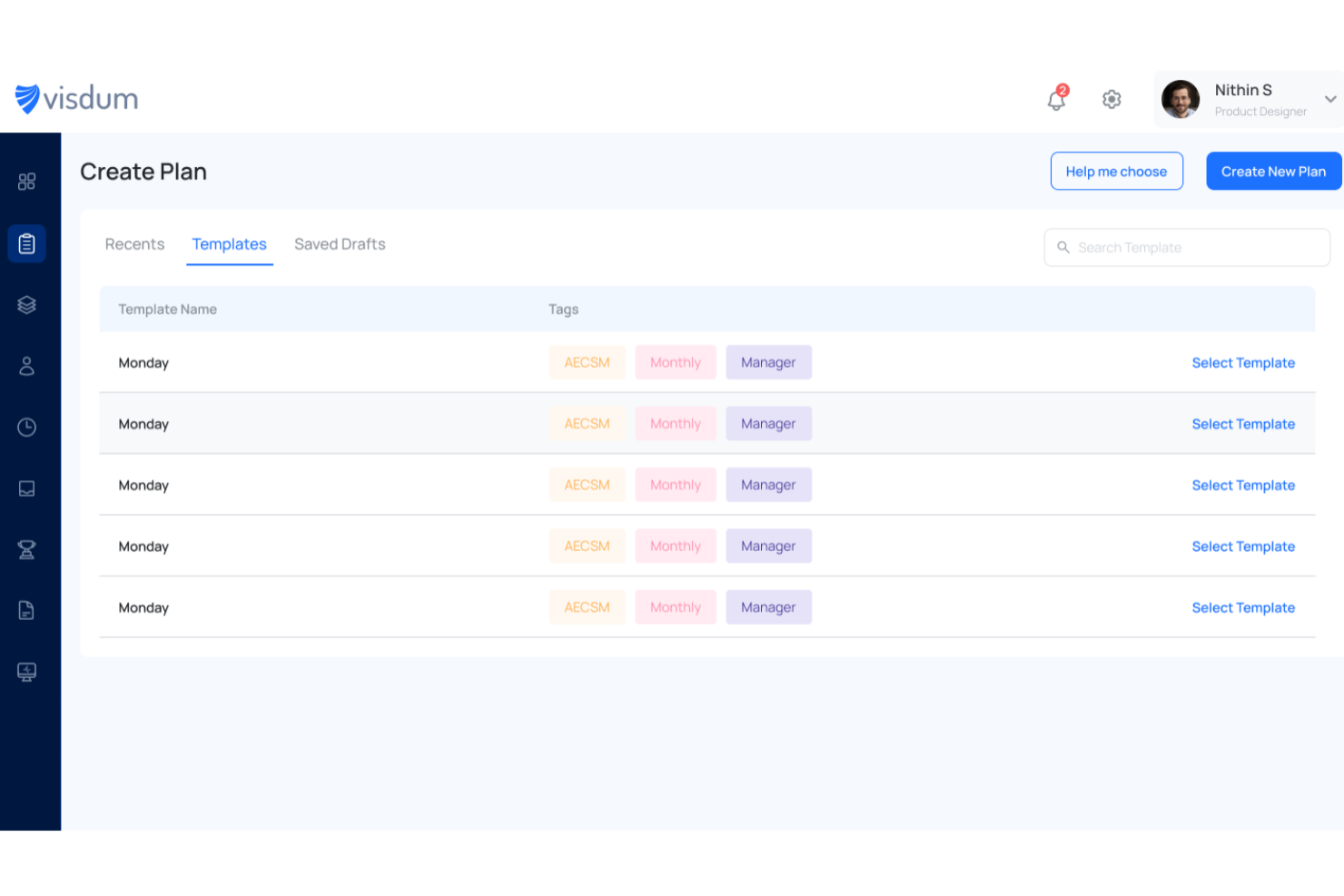
Visdum è una piattaforma di gestione delle compensazioni di vendita per i team di operations commerciali che automatizza il calcolo delle commissioni, gestisce piani complessi e offre ai team di vendita una visibilità in tempo reale sui guadagni.
Per chi è pensato Visdum?
Visdum è particolarmente indicato per aziende SaaS di medie dimensioni che vogliono sostituire la gestione delle commissioni basata su fogli di calcolo e fornire ai team RevOps e finance un sistema dedicato alla gestione delle compensazioni.
Perché ho scelto Visdum
Ho inserito Visdum nella mia lista perché il suo motore AI-Adaptive affronta punti critici comuni nella gestione delle retribuzioni. Apprezzo in particolare l'AI Copilot, che simula scenari di pagamento in tempo reale consentendo al mio team di testare le modifiche ai piani prima che siano effettive—evitando così errori che emergono dopo l'elaborazione delle commissioni. Il progettista di piani senza codice mi permette di creare o modificare piani di compensazione senza dover coinvolgere uno sviluppatore ogni volta che cambiano le quote. Inoltre, la validazione guidata dall'IA individua e segnala immediatamente errori di calcolo a ciclo in corso, riducendo le revisioni e gli scambi alla chiusura di fine mese.
Funzionalità principali di Visdum
- SPIFF e concorsi: Avvia programmi di incentivi a breve termine e concorsi di vendita direttamente dalla piattaforma per motivare i commerciali in periodi specifici.
- Gestione delle controversie sulle commissioni: I venditori possono sollevare richieste relative alle commissioni in un unico thread, con notifiche automatiche e una traccia completa di audit per una rapida risoluzione.
- Dashboard per destinatari: Fornisce ai singoli venditori una visibilità in tempo reale sui propri guadagni, raggiungimento delle quote e una suddivisione delle commissioni per affare.
- Conformità ASC 606 e IFRS 15: Costruisce automaticamente piani di compensazione allineati agli standard di riconoscimento dei ricavi, riducendo il lavoro manuale di conformità per i team finance.
Integrazioni di Visdum
Le integrazioni includono Salesforce, Microsoft Dynamics, HubSpot, Sage Intacct, QuickBooks, Oracle NetSuite, Workday, HiBob, ADP e DocuSign.
Pros and Cons
Pros:
- Una delle gamme più ampie di integrazioni native tra sistemi CRM, ERP, contabilità e contrattualistica
- Chiara visibilità sui guadagni e dashboard delle prestazioni in tempo reale
- Interfaccia intuitiva e facile da usare abbinata ad un Copilota AI che funge da assistente intelligente per la compensazione
Cons:
- Il supporto mobile per gli utenti è limitato ai piani di livello superiore
- La configurazione iniziale può essere complessa

Anaplan
Ideale per la previsione scalabile degli incentivi
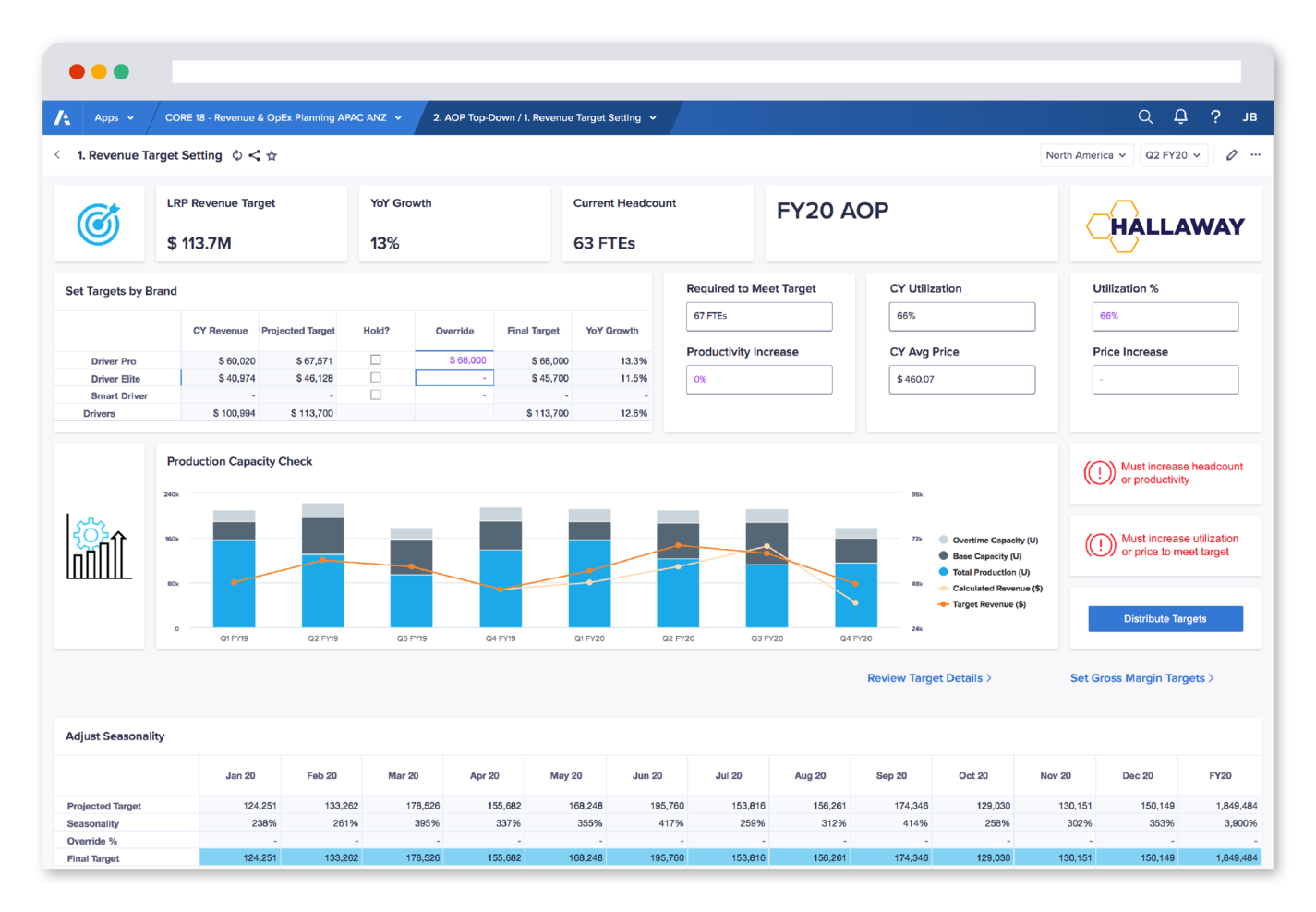
Anaplan è una piattaforma cloud pensata per i team di operations commerciali e le aziende che devono gestire piani di incentivazione complessi, automatizzare i calcoli delle provvigioni e migliorare la visibilità dei dati sulle retribuzioni tra i diversi dipartimenti.
Per chi è ideale Anaplan?
Anaplan è particolarmente indicato per grandi aziende e organizzazioni in rapida crescita con strutture di incentivazione multi-livello complesse che necessitano di una pianificazione integrata tra i reparti finance, vendite e RevOps.
Perché ho scelto Anaplan
Ho inserito Anaplan tra le mie migliori scelte perché apprezzo come gestisce la compensation incentive su una scala che la maggior parte degli strumenti non riesce a raggiungere—su centinaia di piani, migliaia di beneficiari e milioni di transazioni. Il dashboard per la modellazione dei risultati comprende la simulazione integrata di scenari “what-if”, così posso confrontare più versioni di piani fianco a fianco e prevedere le spese di incentivazione prima di adottare un design. Mi piace anche che la piattaforma colleghi la pianificazione degli incentivi direttamente ai dati relativi a territorio, quota e capacità GTM, quindi quando il mio team modella un nuovo piano compensi, non lo fa isolatamente rispetto alla strategia di revenue più ampia.
Funzionalità principali di Anaplan
- Progettazione di piani di incentivazione commerciale: Modella, confronta e ottimizza molteplici strutture di piani di incentivazione fianco a fianco per allinearli agli obiettivi di business e motivare i diversi ruoli di vendita.
- Automazione dei crediti e calcolo delle commissioni: Automatizza il processo di assegnazione dei crediti, calcola le commissioni e gestisci la distribuzione dei piani tra team e aree geografiche da un'unica dashboard.
- Dashboard visibilità dei guadagni dei rappresentanti: Fornisci ai singoli venditori accesso in tempo reale al progresso sulla quota, alla percentuale di raggiungimento e al pagamento previsto tramite dashboard specifiche per ruolo.
- Tracciamento della conformità ASC 606/IFRS 15: Monitora i piani di ammortamento e gestisci la contabilità delle commissioni in linea con i requisiti di rendicontazione ASC 606 e IFRS 15.
Integrazioni di Anaplan
Le integrazioni includono Salesforce, Workday, Microsoft Power BI, Tableau, Snowflake, Google BigQuery, Amazon Redshift, Oracle NetSuite, SAP e DocuSign.
Pros and Cons
Pros:
- Altissima scalabilità nell’integrazione dei dati
- Supporta la pianificazione di scenari in tempo reale
- Calcoli in tempo reale in memoria
Cons:
- Capacità di storage limitate
- Spesso richiede il supporto di un amministratore dedicato

Ideale per la conformità con normative globali
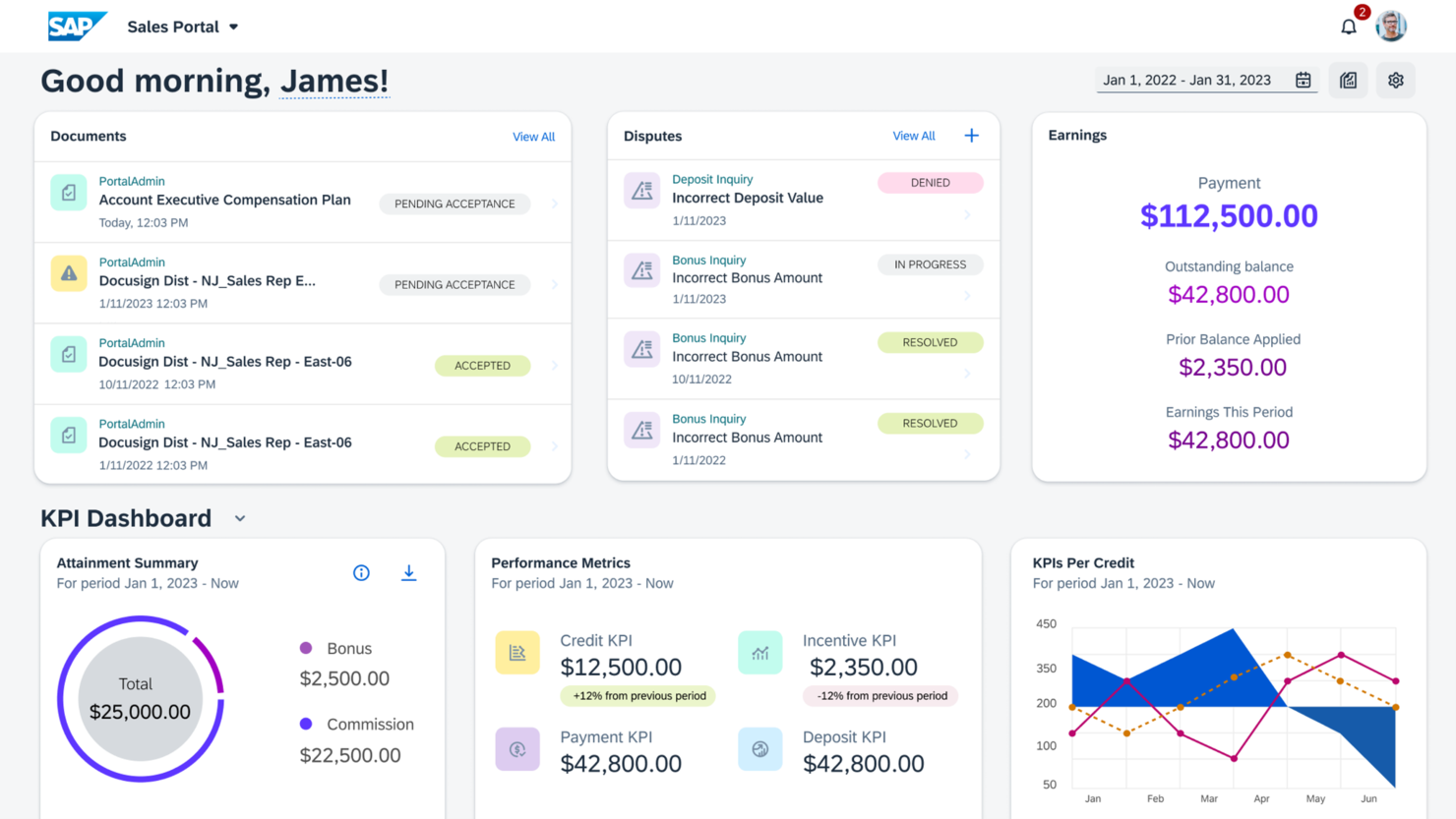
SAP SuccessFactors è una piattaforma cloud progettata per grandi imprese e organizzazioni globali che devono gestire la complessità di piani di compensazione delle vendite, incentivi e requisiti di conformità in più regioni e team.
Per chi è SAP SuccessFactors?
SAP SuccessFactors è particolarmente indicato per aziende multinazionali che devono gestire la compensazione delle vendite in diversi paesi con differenti normative.
Perché ho scelto SAP SuccessFactors
SAP SuccessFactors si guadagna un posto nella mia lista perché è una delle poche piattaforme di compensazione vendite costruite per gestire la complessità di operare in più paesi con diverse normative. Apprezzo la funzionalità di tracciabilità con un solo clic in SAP Incentive Management: quando un rappresentante commerciale in Germania contesta un calcolo di commissione, è possibile tracciare ogni passaggio della logica di pagamento, il che favorisce la prontezza agli audit in tutte le giurisdizioni. Il motore di regole flessibile è utile per i team globali, poiché consente di modellare strutture di incentivazione specifiche per paese senza la necessità di programmare o coinvolgere l’IT. Le analisi integrate monitorano l’accuratezza dei pagamenti e segnalano gli errori prima che diventino oggetto di contestazione.
Caratteristiche principali di SAP SuccessFactors
- Distribuzione documenti dei piani di incentivazione: Invia automaticamente i documenti relativi ai piani ai rappresentanti di vendita per la revisione e l’approvazione, riducendo il lavoro manuale nei team numerosi o distribuiti.
- Simulazione di scenari what-if: Permette ai responsabili compensation di testare modifiche alle strutture di incentivazione prima della loro introduzione, così da poter prevedere costi e impatti delle variazioni.
- Piattaforma di gestione delle contestazioni: Fornisce un sistema dedicato alla registrazione, all’instradamento e alla risoluzione delle contestazioni sulle commissioni, con adeguamenti automatici dei calcoli una volta chiusa la contestazione.
- Dashboard personalizzate per i venditori: Consente a ciascun venditore di monitorare in tempo reale le proprie performance, i guadagni da incentivi e raccomandazioni commerciali tramite desktop o app mobile.
Integrazioni di SAP SuccessFactors
Le integrazioni includono SAP ERP, SAP S/4HANA, SAP Business Technology Platform, SAP Fieldglass, SAP Concur, Microsoft Azure Active Directory, Microsoft Teams, DocuSign, ADP e Kronos.
Pros and Cons
Pros:
- Regole di compensazione flessibili
- Capacità di integrazione nei workflow
- Supporta grandi data warehouse
Cons:
- Configurazione reportistica complessa
- Difficile da gestire con set di dati di grandi dimensioni

Ideale per piccole e medie imprese
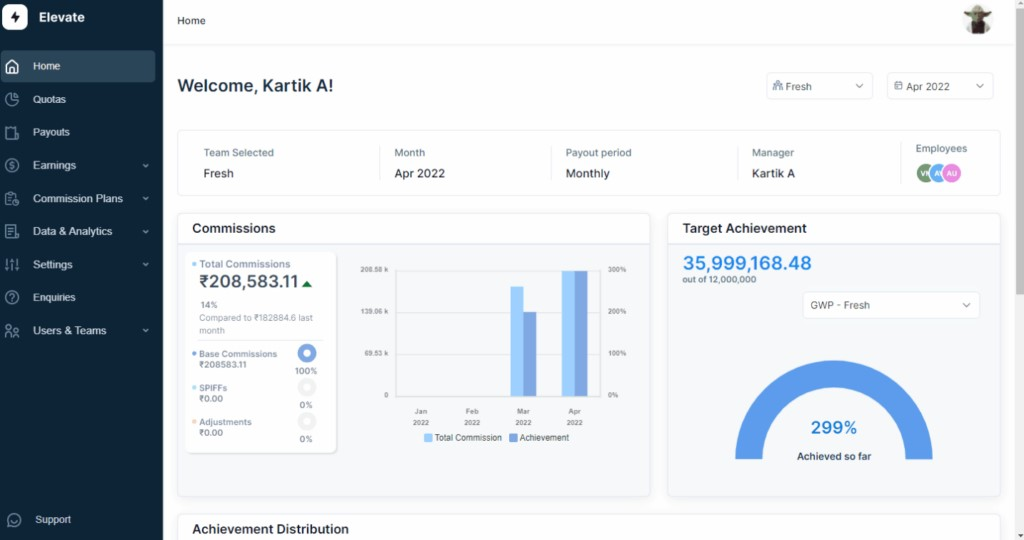
ElevateHQ è una piattaforma di gestione delle compensazioni per team commerciali che automatizza il calcolo delle commissioni, offre visibilità in tempo reale sulle performance e semplifica piani di incentivi complessi senza dover fare affidamento su fogli di calcolo.
Per chi è ElevateHQ?
ElevateHQ è adatto a team di vendita piccoli e medi che necessitano di un approccio strutturato e automatizzato alla gestione delle commissioni, senza i costi e la complessità di strumenti a livello enterprise.
Perché ho scelto ElevateHQ
ElevateHQ si guadagna un posto nella mia shortlist perché è progettato specificamente per le esigenze di scala e budget dei team di vendita piccoli e medi. Apprezzo come il designer dei piani gestisca logiche di commissione complesse—come campi CRM personalizzati, workflow con condizioni multiple e suddivisione degli affari—senza l'obbligo di avere un ingegnere RevOps dedicato alla manutenzione. La funzione di riconciliazione dei pagamenti associa automaticamente le vendite alle collezioni di fatture effettive, così le commissioni riflettono ciò che è stato realmente incassato, piuttosto che solo ciò che è stato chiuso. Il workflow integrato per le controversie permette ai rappresentanti di segnalare affari specifici direttamente in piattaforma, mantenendo le discussioni sulle commissioni fuori dalla casella di posta e permettendo una risoluzione più rapida.
Caratteristiche principali di ElevateHQ
- Dashboard delle commissioni in tempo reale: I venditori e i responsabili possono visualizzare in tempo reale i guadagni, il raggiungimento degli obiettivi e la suddivisione dei pagamenti senza aspettare i report di fine mese.
- Gestione delle quote: Imposta e monitora i target individuali o di team direttamente sulla piattaforma, con aggiornamenti automatici al progredire degli affari nella pipeline.
- Rendiconti delle commissioni: Gli agenti ricevono rendiconti dettagliati e condivisibili che mostrano esattamente come ogni commissione è stata calcolata, voce per voce.
- Flussi di approvazione: I pagamenti delle commissioni vengono gestiti attraverso un processo di approvazione strutturato prima della finalizzazione, offrendo ai team finanziari una chiara traccia di approvazione.
Integrazioni ElevateHQ
Le integrazioni includono HubSpot, Salesforce, Microsoft Teams, Pipedrive, Slack, Chargebee, QuickBooks, SalesLoft, Xero e NetSuite.
Pros and Cons
Pros:
- Monitoraggio in tempo reale degli incentivi
- Aggiornamenti accurati delle commissioni
- Supporta piani commissione complessi
Cons:
- Interfaccia poco intuitiva
- Errori occasionali nei calcoli delle commissioni

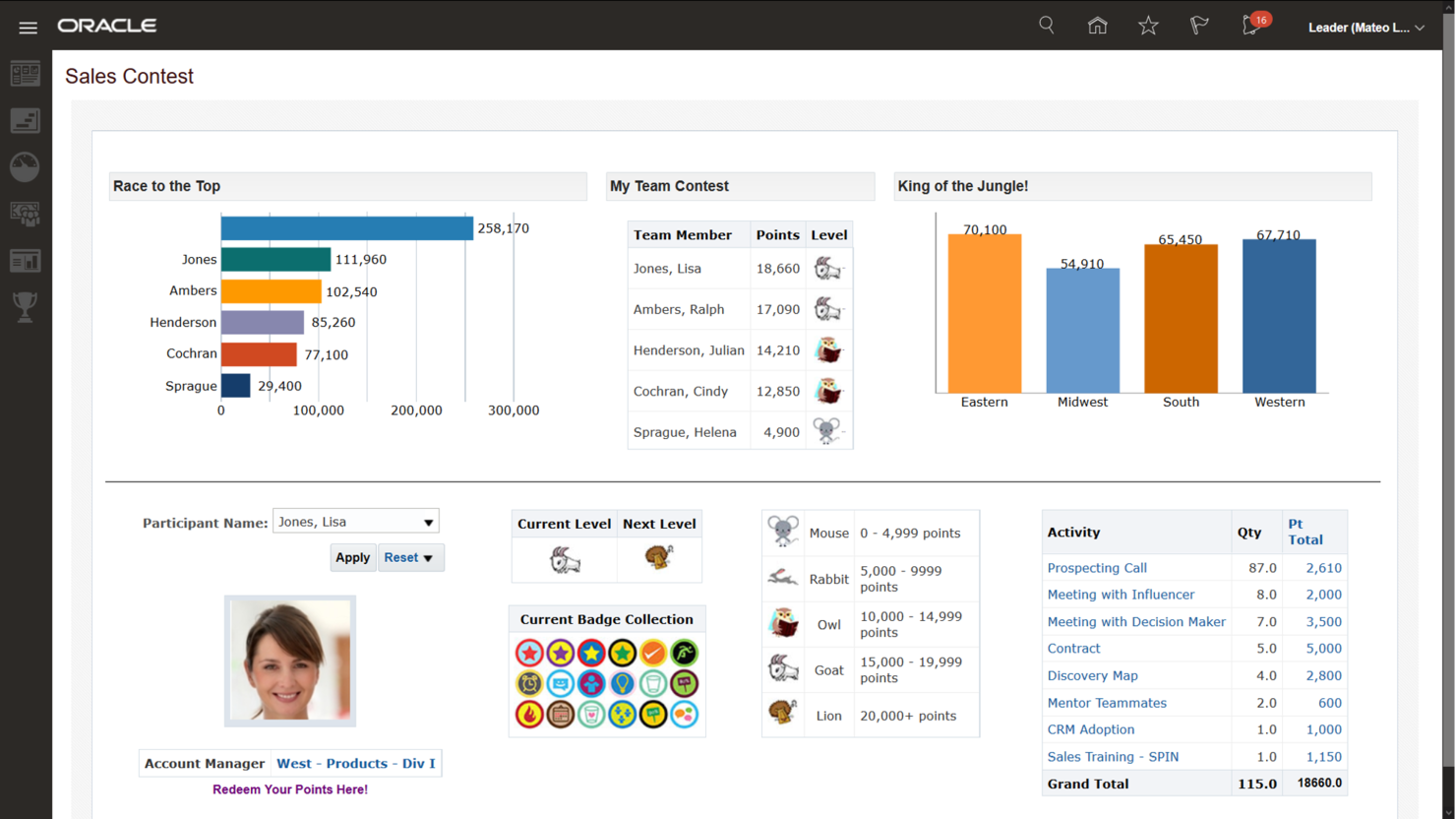
Oracle Sales Performance Management aiuta le organizzazioni di vendita aziendali ad automatizzare la gestione degli incentivi, a gestire le quote e a ottenere approfondimenti per migliorare le performance di vendita su team e territori complessi.
Per chi è ideale Oracle Sales Performance Management?
Oracle Sales Performance Management è particolarmente adatto per le grandi aziende con strutture di vendita complesse e multilivello che necessitano di una gestione delle quote e della compensazione scalabile.
Perché ho scelto Oracle Sales Performance Management
Oracle Sales Performance Management si guadagna un posto nella mia lista perché è in grado di gestire la scala e la complessità con cui i grandi team di vendita aziendali devono realmente confrontarsi. Mi piace il fatto che possa gestire strutture di piani di compensazione multilivello, con allocazione dei crediti di vendita diretti e indiretti, oltre a regole di aggregazione gerarchica—cosa che la maggior parte degli strumenti semplicemente non è in grado di fare a quel livello. Utilizzo anche la funzione di gestione delle quote collegata per eseguire l'assegnazione delle quote top-down, a cascata e dal basso verso l'alto sui vari territori simultaneamente, mantenendo così tutto allineato senza riconciliazioni manuali. La modellazione 'what-if' per gli scenari di piano di compensazione è davvero utile quando il mio team deve testare modifiche ai piani prima di applicarle a centinaia di venditori.
Funzionalità principali di Oracle Sales Performance Management
- Gestione e risoluzione delle controversie: Uno strumento integrato di gestione delle controversie consente ai venditori di segnalare discrepanze sulla compensazione, che i responsabili possono esaminare e risolvere direttamente sulla piattaforma.
- Gamification e monitoraggio dei progressi: I venditori possono monitorare le loro performance rispetto agli obiettivi tramite dashboard individuali che includono metriche per le competizioni e dati in tempo reale sul raggiungimento degli obiettivi.
- Termini di compensazione generati dall’IA: L’intelligenza artificiale generativa redige i termini e le condizioni dei piani di compensazione in base ai piani storici, riducendo il lavoro manuale per gli amministratori durante gli aggiornamenti dei piani.
- Previsione delle vendite predittiva: Le previsioni possono essere generate da analisi pipeline e dati storici utilizzando modelli predittivi per produrre proiezioni di vendita più accurate.
Integrazioni di Oracle Sales Performance Management
Le integrazioni includono Oracle Sales Cloud, Oracle Eloqua, Oracle ERP Cloud, Oracle HCM Cloud, Oracle Payroll, Oracle Enterprise Performance Management, Oracle Fusion Workforce Compensation e Oracle Analytics Cloud.
Pros and Cons
Pros:
- Piani di compensazione flessibili
- Strumenti di reportistica personalizzabili
- Monitoraggio in tempo reale delle performance
Cons:
- Processo di implementazione complesso
- Curva di apprendimento leggermente impegnativa per i principianti
Joopy
Ideale per la gestione di incentivi multilivello
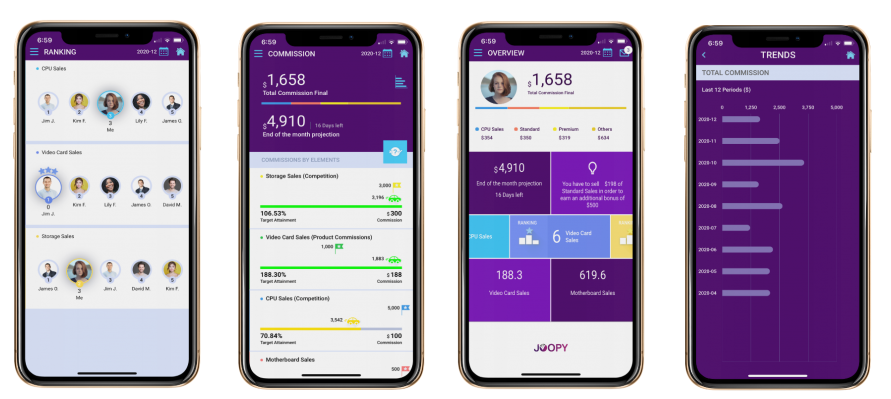
Joopy è una piattaforma di gestione delle commissioni di vendita progettata per le aziende che necessitano di automatizzare strutture complesse di incentivi e semplificare la gestione delle gratifiche per i team commerciali in diversi settori.
Per chi è più indicato Joopy?
Joopy è particolarmente adatto per organizzazioni di vendita di medie e grandi dimensioni che gestiscono piani di compensazione multilivello su diversi ruoli, regioni o canali.
Perché ho scelto Joopy
Ho scelto Joopy tra i migliori perché gestisce strutture di incentivi a più livelli che mettono in difficoltà gli strumenti di compensazione più semplici. Se devi eseguire programmi di commissioni su team CSR, negozi al dettaglio, reti di distribuzione e rappresentanti di vendita diretta, la gestione dei canali di vendita di Joopy ti permette di configurare e monitorare ciascun livello in modo indipendente senza perdere visibilità sull’intera struttura. Apprezzo anche la funzionalità di simulazione e analisi what-if, che consente al mio team di modellare scenari di compensazione e verificare l’impatto sui margini prima della pubblicazione di un piano. Il costruttore di KPI ti consente di definire misure personalizzate direttamente dai dati in ingresso, così non sei limitato a metriche preimpostate quando i livelli di incentivo richiedono trigger prestazionali specifici.
Caratteristiche principali di Joopy
- App mobile Go JOOPY: Un’app mobile per iOS e Android che offre a venditori e manager visibilità in tempo reale sui risultati personali, obiettivi e classifiche di gamification.
- Gestione dei casi: Consente ai venditori di aprire contestazioni su commissioni calcolate o transazioni mancanti, con un flusso di lavoro configurabile per indirizzare e risolvere ogni caso.
- Flussi di approvazione configurabili: Supporta processi di approvazione a più fasi per commissioni calcolate, cambiamenti nelle regole di commissione e contestazioni, per riflettere i processi interni aziendali.
- Caricamento automatico dei dati: Importa dati di organizzazione e canali di vendita da sistemi esterni come CRM o piattaforme HR, o tramite caricamento di file Excel.
Integrazioni Joopy
Le integrazioni native non sono elencate.
Pros and Cons
Pros:
- Supporta strutture di incentivi multilivello
- Configurazione e implementazione rapide
- Tracciabilità dettagliata delle attività
Cons:
- Personalizzazione complessa per esigenze di nicchia
- Flessibilità limitata negli aggiornamenti delle regole
Altri software per la compensazione delle vendite
Ecco alcune altre opzioni di software per la compensazione delle vendite che non sono rientrate nella mia shortlist, ma che meritano comunque una verifica:
- Palette
Ideale per piani di compensazione personalizzabili
- Commissionly
Ideale per una configurazione e implementazione rapida
- QuotaPath
Ideale per il monitoraggio semplice delle quote di vendita
- EasyComp
Ideale per dashboard sul raggiungimento degli obiettivi


Recensioni di software CRM correlati
- Software CRM
- Software per le vendite
- Software per la gestione dei lead
- Software di business intelligence
- Software per la gestione dei contratti
- Sistema di gestione delle entrate
- Software CPQ
Come Valuto il Software per la Gestione delle Compensazioni di Vendita
Valuto gli strumenti per la gestione delle compensazioni di vendita su due livelli: requisiti fondamentali come il calcolo automatico delle commissioni e dashboard orientate agli agenti, e fattori differenzianti che distinguono le migliori opzioni.
Funzionalità di Base (Requisiti Minimi per Questa Lista)
Quando seleziono gli strumenti per la mia lista, valuto ciascuno di essi su una scala da 0 (non offre la funzionalità) a 5 (eccelle in quest'area) per ogni funzionalità di base elencata qui sotto. Poi, calcolo il punteggio totale dello strumento come percentuale. Ogni strumento deve raggiungere un punteggio totale minimo del 65% per essere preso in considerazione.
- Automazione del Calcolo delle Commissioni: Verifico se uno strumento può gestire tariffe a scaglioni, suddivisioni tra più agenti, acceleratori e rettifiche senza dover ricorrere a soluzioni manuali su fogli di calcolo.
- Progettazione dei Piani Incentivanti: Creare piani per SDR, AE e manager significa stabilire regole e quote diverse, quindi cerco progettatori di piani flessibili e self-service con capacità di modellazione.
- Visibilità dei Guadagni dal Punto di Vista degli Agenti: Gli agenti dovrebbero poter approfondire i singoli affari e vedere esattamente come è stato calcolato il loro compenso, non solo una cifra totale su un estratto conto statico.
- Integrazione Dati con CRM e ERP: Valuto come ogni strumento acquisisce i dati delle trattative e dei dipendenti da sistemi come Salesforce, HubSpot, NetSuite o Workday tramite connettori nativi o API.
- Workflows di Contestazione e Approvazione: Le domande sulle commissioni aumentano alla fine del mese, quindi cerco flussi di richiesta strutturati con tracciamento delle modifiche, piuttosto che scambi continui via email o Slack.
- Reportistica, Analisi e Conformità: I team finanziari hanno bisogno di output conformi ad ASC 606 e storici delle operazioni, quindi verifico la presenza di report configurabili di pagamenti e funzionalità di documentazione per la compliance.
Una volta che ho una lista di strumenti che soddisfano i criteri, considero cosa distingue ogni piattaforma.
Fattori Differenzianti (Cosa Distingue i Fornitori)
Ecco come confronto e metto a confronto i diversi fornitori:
Funzionalità Distintive
Per me la modellazione degli scenari è fondamentale. Prima di implementare un nuovo piano a metà anno, voglio vedere l'impatto dei costi previsti e i guadagni degli agenti su tutto il team. Gli approfondimenti basati su AI aggiungono un ulteriore livello, segnalando anomalie nei pagamenti o componenti del piano poco performanti che altrimenti passerebbero inosservati fino alla fine del trimestre. Cerco anche workflow integrati per la firma elettronica, perché rincorrere gli agenti per le firme di conferma dei piani tramite strumenti separati aggiunge inutili complicazioni a ogni ciclo di compensazione.
Oltre le Funzionalità
I tempi di implementazione contano molto in questo settore. I piani di compensazione spesso vengono aggiornati a inizio anno fiscale, quindi uno strumento che richiede sei mesi per essere implementato può significare un altro ciclo bloccato sui fogli di calcolo. Valuto anche la scalabilità—una piattaforma che funziona per 50 agenti può andare in crisi con pagamenti multi-entità e multi-valuta quando il team cresce. La prontezza in materia di controllo e compliance completa la mia valutazione, soprattutto la certificazione SOC 2 e il reporting ASC 606, poiché i team finanziari devono poter contare su dati di pagamento che reggano anche sotto accurate ispezioni di audit.
Come scegliere un software per la compensazione delle vendite
È facile perdersi tra liste infinite di funzionalità e strutture di prezzo complesse. Per aiutarti a restare concentrato durante il tuo personale processo di selezione, ecco una checklist di fattori da considerare:
| Fattore | Cosa considerare |
| Scalabilità | Il software crescerà insieme al tuo team e alle dimensioni dell’azienda? |
| Integrazioni | Si integra con gli strumenti e le piattaforme già in uso? |
| Personalizzazione | Puoi adattare il software alle tue esigenze specifiche? |
| Facilità d’uso | Il software è intuitivo per il tuo team da imparare e utilizzare? |
| Budget | Il prezzo è in linea con il budget della tua azienda? |
| Sicurezza | Risponde ai requisiti di sicurezza e conformità della tua azienda? |
| Supporto | Che livello di assistenza clienti e risorse viene offerto? |
| Reportistica | Il software fornisce dati chiari e facilmente utilizzabili? |
Tendenze nei software per la compensazione delle vendite
Nella mia ricerca, ho consultato innumerevoli aggiornamenti di prodotto, comunicati stampa e registri di rilascio di diversi fornitori di software per la gestione delle compensazioni di vendita. Ecco alcune delle tendenze emergenti che sto monitorando:
- Intuizioni guidate dall'IA: l'IA viene utilizzata per prevedere le prestazioni di vendita e ottimizzare i piani di incentivazione. Prendi in considerazione i fornitori che offrono strumenti che sfruttano l'IA per fornire raccomandazioni basate sui dati al fine di massimizzare i risultati di vendita.
- Definizione dinamica degli obiettivi: sempre più piattaforme software consentono aggiornamenti in tempo reale degli obiettivi di vendita in base alle condizioni di mercato. Questa tendenza aiuta i team ad adattare rapidamente le loro strategie.
- Elementi di gamification: c'è un'attenzione crescente nel rendere gli incentivi alla vendita più coinvolgenti attraverso esperienze gamificate. Strumenti come SmartWinnr integrano classifiche, badge e altre funzionalità simili a giochi per motivare i team di vendita.
- Piani di incentivazione personalizzati: i software stanno evolvendo verso la creazione di piani di compensazione individuali adattati ai punti di forza e agli obiettivi di ciascun venditore. Questa funzione supporta strutture commissionali altamente personalizzabili per i diversi ruoli.
- Visualizzazione avanzata dei dati: gli strumenti di visualizzazione stanno diventando essenziali per i responsabili vendite per comprendere a colpo d'occhio le metriche di performance. Le piattaforme con questa funzione possono offrire dashboard approfonditi che visualizzano chiaramente ed efficacemente i dati sulle vendite.
Che cos'è il software per la gestione delle compensazioni di vendita?
Il software per la gestione delle compensazioni di vendita è uno strumento che ti aiuta a progettare, automatizzare e gestire le commissioni per il tuo team commerciale. Le persone che si occupano di revenue operations, gestione delle vendite e finanza lo usano per gestire i calcoli e i pagamenti, così tutti vengono pagati in modo accurato e puntuale. Occupandosi della matematica e della registrazione, elimina le incertezze e le complicazioni, rendendo tutto più chiaro e risparmiando un'enorme quantità di lavoro manuale.
Funzionalità del software per la gestione delle compensazioni di vendita
Quando selezioni un software per la gestione delle compensazioni di vendita, presta attenzione alle seguenti funzionalità chiave:
- Calcolo automatico delle commissioni: garantisce pagamenti accurati e puntuali senza errori manuali.
- Piani di incentivazione personalizzabili: consente alle aziende di creare strutture di compensazione su misura.
- Monitoraggio delle prestazioni in tempo reale: offre informazioni istantanee sui progressi e sui guadagni dei commerciali.
- Gestione delle quote: aiuta a definire e adeguare gli obiettivi di vendita in base alle prestazioni.
- Analisi e reportistica: fornisce approfondimenti basati sui dati per supportare le decisioni.
- Strumenti per la risoluzione delle controversie: semplifica la gestione rapida delle controversie sulle commissioni.
- Simulazione di scenari: consente di testare diverse strategie di compensazione prima della loro implementazione.
- Elementi di gamification: utilizza classifiche e badge per motivare i team di vendita.
- Accesso mobile: permette agli utenti di monitorare e gestire le compensazioni ovunque si trovino.
- Capacità di integrazione: si connette con CRM e altri strumenti aziendali essenziali.
Vantaggi del software per la gestione delle compensazioni di vendita
L'implementazione di un software per la gestione delle compensazioni di vendita offre diversi vantaggi per il tuo team e per la tua azienda. Eccone alcuni a cui puoi guardare con interesse:
- Maggiore precisione: i calcoli automatici riducono gli errori umani nei pagamenti.
- Team di vendita più motivati: incentivi trasparenti aiutano a mantenere l'impegno e la concentrazione dei commerciali.
- Risparmio di tempo: organizza il processo di commissionamento, liberando tempo amministrativo.
- Approfondimenti basati sui dati: strumenti di analisi offrono informazioni preziose sulle prestazioni di vendita.
- Piani scalabili: si adatta facilmente alle esigenze in evoluzione delle aziende in crescita.
- Migliore conformità: garantisce che i pagamenti rispettino gli standard legali e finanziari.
- Risoluzione più rapida delle controversie: registri chiari e il tracciamento semplificano la risoluzione delle controversie sulle commissioni.
Costi e prezzi del software per la gestione delle compensazioni di vendita
La scelta di un software per la gestione delle compensazioni di vendita richiede la comprensione dei diversi modelli di prezzo e dei piani disponibili. I costi variano in base alle funzionalità, alle dimensioni del team, agli add-on e altro ancora. La tabella seguente riassume i piani più comuni, i prezzi medi e le funzionalità tipiche incluse nelle soluzioni software di gestione delle compensazioni di vendita:
Tabella di confronto dei piani per il software di gestione delle compensazioni di vendita
| Tipo di piano | Prezzo medio | Funzionalità comuni |
| Piano gratuito | $0/utente/mese | Reportistica di base, utenti limitati, supporto via email |
| Piano personale | $5-$25/utente/mese | Piani personalizzabili, monitoraggio in tempo reale, analisi dei dati |
| Piano business | $30-$70/utente/mese | Reportistica avanzata, commissioni multi-livello, integrazioni |
| Piano enterprise | $80-$150/utente/mese | Approfondimenti basati su AI, gestione delle quote, assistenza clienti prioritaria |
FAQ sul software di compensazione delle vendite
Ecco alcune risposte alle domande più comuni sul software di compensazione delle vendite:
I ruoli di supporto alle vendite come le operations devono avere una componente variabile nello stipendio?
Sì, inserire una componente variabile nello stipendio di ruoli come le operations di vendita può essere vantaggioso. Molte aziende offrono una retribuzione variabile per questi ruoli, spesso pari al 10-20% della retribuzione totale. Questo approccio allinea la performance a risultati misurabili, come il miglioramento della produttività o la crescita dei ricavi, e può aiutare a raggiungere risultati migliori.
Come vengono calcolate le commissioni per i venditori in regioni diverse?
Le commissioni dei venditori in diverse regioni vengono spesso adattate per riflettere salari equi per ciascuna area. Fattori come il potenziale di mercato e la forza del marchio possono influenzare gli obiettivi, e le diverse aree potrebbero avere rapporti quota/OTE distinti. Questo garantisce che le strutture commissionali siano eque tra i territori, restando coerenti con le condizioni economiche locali.
Qual è il rapporto tipico tra stipendio base e commissioni per i venditori?
Il rapporto base/commissioni solitamente varia dal 50:50 al 70:30, a seconda della complessità del ciclo di vendita. Per ruoli di vendita più semplici, come quelli nelle piccole e medie imprese, è comune un rapporto 50:50, mentre ruoli più complessi, come quelli nelle vendite enterprise, potrebbero adottare un rapporto 70:30 per dare maggiore peso allo stipendio base.
Che livello di personalizzazione offrono le piattaforme software di compensazione delle vendite?
Il livello di personalizzazione varia a seconda del fornitore. Alcuni strumenti offrono interfacce intuitive che consentono agli utenti di creare piani complessi con un addestramento minimo, mentre altri richiedono un approccio più pratico o il supporto del team di assistenza. Piattaforme come CaptivateIQ offrono un ambiente simile a Excel, facilitando la gestione dei dati e delle regole sugli incentivi.
Come dovrei impostare una struttura commissionale per prodotti basati sull'utilizzo?
Per i prodotti basati sull’utilizzo, è consigliabile partire da una commissione di base garantita, indipendentemente dal livello di utilizzo. Si possono poi creare delle soglie che aumentano la percentuale di commissione quando il valore mensile dell’accordo cresce. In questo modo i venditori vengono equamente remunerati anche se il valore dell’accordo varia nel tempo.
Perché la mia percentuale di commissione potrebbe cambiare a fine mese?
Le percentuali di commissione possono cambiare a causa di fattori come fluttuazioni stagionali delle vendite, strategie di gestione dell’inventario o obiettivi di performance specifici. Le aziende spesso regolano queste percentuali per incentivare i venditori a raggiungere gli obiettivi, allinearsi ai target di fatturato o gestire le spese. Se la tua percentuale cambia in modo inatteso, ti conviene discuterne con il tuo responsabile o con il team finance.
Cosa succede dopo:
Se sei alla ricerca di un software di compensazione delle vendite, contatta gratuitamente un consulente SoftwareSelect per ottenere raccomandazioni.
Dovrai compilare un modulo e sostenere una breve conversazione in cui verranno approfondite le tue esigenze specifiche. Riceverai quindi una shortlist di software da valutare e verrai supportato nell’intero processo d’acquisto, incluse le trattative sui prezzi.