

10 Best Call Tracking Software Reviewed In 2026

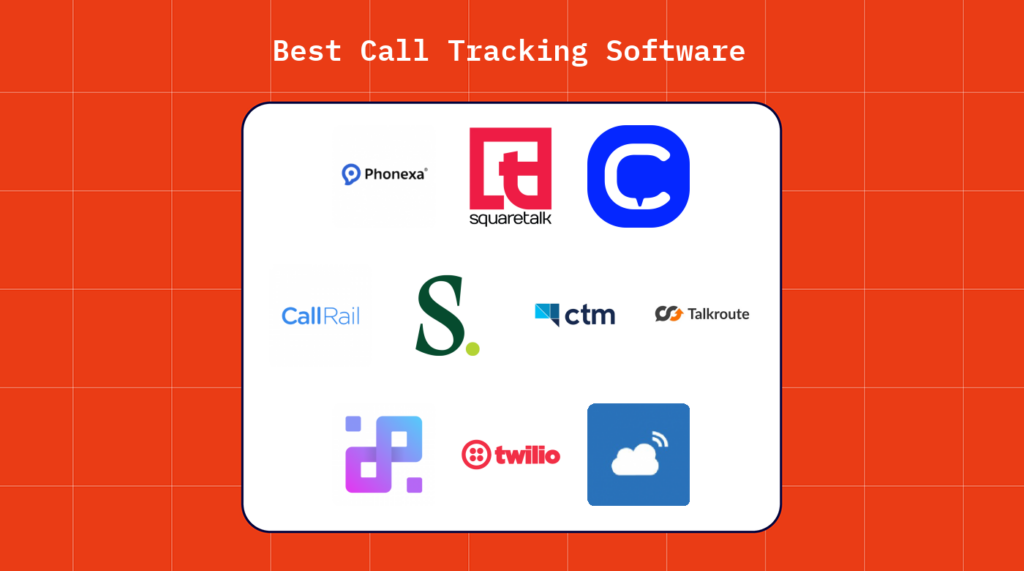
Best Call Tracking Software Shortlist


Call tracking software is a valuable asset for any company. With the right software, teams can boost their marketing ROI and improve customer interaction analytics. But finding the right call tracking software can be a challenge, especially with so many options available.
Using my experience with revenue operations software, I tested and compared several of the top call tracking software available. From there, I compiled my results into detailed reviews to help you find the best software for your needs.
Why Trust Our Software Recommendations
Our reviews reflect our independent judgment—not a sales pitch. Learn how we stay transparent.
For this guide, we evaluated tools using hands-on testing and independent research, scoring tools using our selection criteria.
Our reviews reflect our human editorial judgment, not a sales pitch.
Best Call Tracking Software Summary
This comparison chart summarizes pricing details for my top call tracking software selections to help you find the best one for your budget and business needs.
| Tool | Best For | Trial Info | Price | ||
|---|---|---|---|---|---|
| 1 | Best with white-label branding options | Free demo available | Pricing upon request | Website | |
| 2 | Best for AI-powered call tracking | 14-day free trial | From $25/user/month (billed annually) | Website | |
| 3 | Best for Call Management and Analytics | Free demo available | From $25/user/month | Website | |
| 4 | Best for call-driven marketing insights | 14-day free trial | From $55/month | Website | |
| 5 | Best for sales teams | Not available | Pricing upon request | Website | |
| 6 | Best for integration options | Free demo available | From $79/month | Website | |
| 7 | Best for efficient call management | 7-day free trial available | From $19/user/month + $5/additional user | Website | |
| 8 | Best for custom tracking | 14-day money-back guarantee | From $6/user/month (billed annually) | Website | |
| 9 | Best for combining call tracking and Voice API | Free trial available | From $35/user/month | Website | |
| 10 | Best for remote teams | Free demo available | From $5/month | Website |
Best Call Tracking Software Reviews
Below are my detailed summaries of the best call tracking software that made it onto my shortlist. My reviews offer a detailed look at the key features, pros & cons, integrations, and ideal use cases of each tool to help you find the best one for you.
Phonexa
Best with white-label branding options
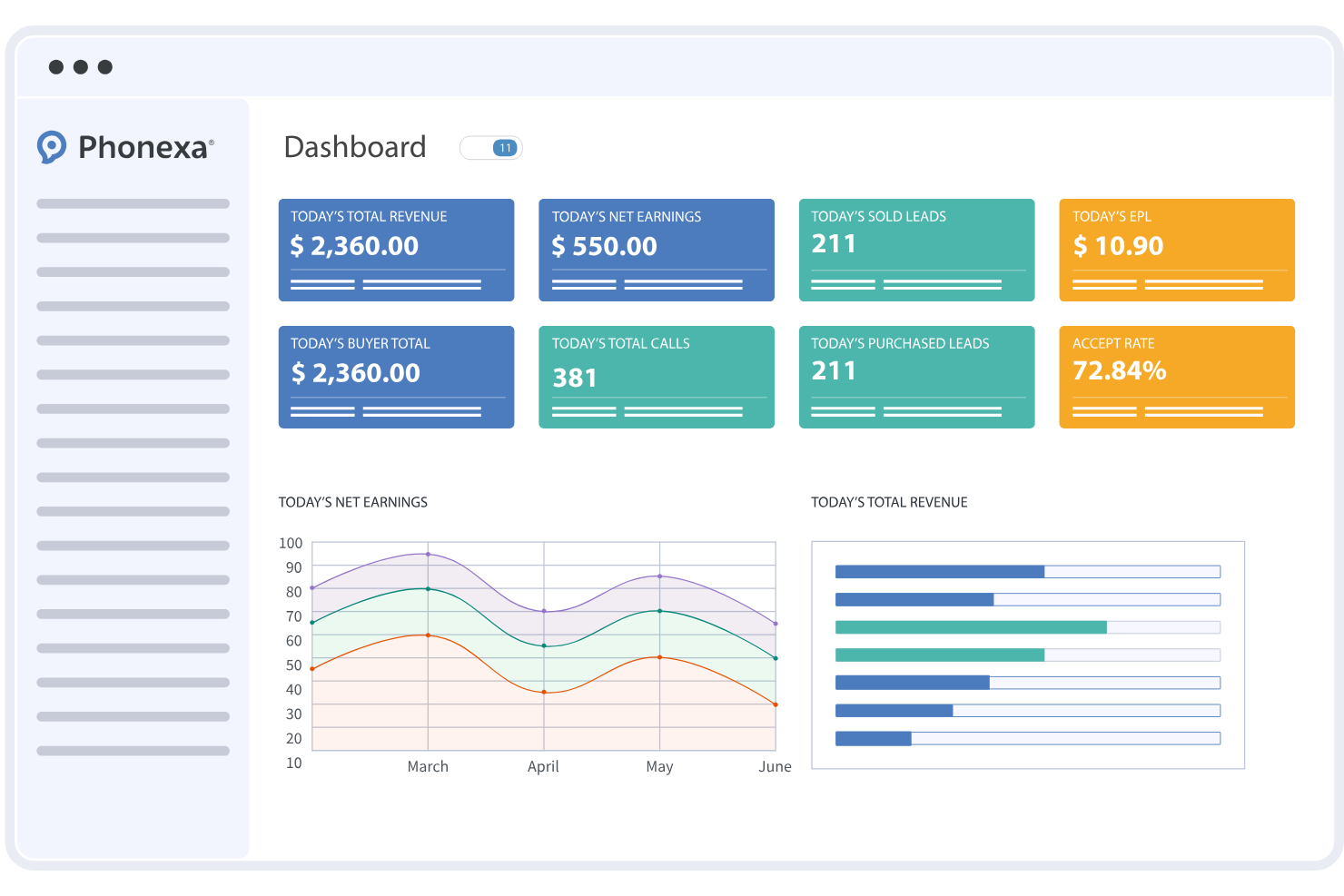
Phonexa is a call tracking platform that combines inbound call analytics, routing, fraud monitoring, and attribution tools in one system. It supports businesses and agencies that manage high volumes of calls across multiple campaigns and traffic sources.
Who Is Phonexa Best For?
Phonexa suits marketing teams, affiliate networks, and agencies that rely on inbound calls and need structured tracking, routing, and reporting across multiple channels.
Why I Picked Phonexa
I picked Phonexa because it allows agencies to fully white-label the call tracking experience for their clients. Teams can customize dashboards, reports, and notifications with their own branding. This makes it easier to deliver call analytics and routing tools under a unified agency identity.
Phonexa Key Features
- Call analytics dashboard: View real-time and historical call performance data in a centralized interface.
- Call routing and IVR builder: Configure routing rules and interactive voice menus to direct callers appropriately.
- Call recording: Record inbound and outbound calls for quality control and compliance purposes.
- Fraud detection tools: Monitor traffic quality and identify suspicious call activity.
- Lead distribution: Route calls and leads automatically based on custom criteria.
Phonexa Integrations
Phonexa integrates with Salesforce, HubSpot, Mailchimp, QuickBooks, Google Analytics, and Google Ads. An API is available for additional integrations.
Pros and Cons
Pros:
- Real-time call analytics and reporting dashboards
- Visual call flow builder for custom routing
- Advanced fraud detection for call and lead traffic
Cons:
- Setup process may require onboarding assistance
- No free-forever plan available
New Product Updates from Phonexa

Phonexa Expands Automated Traffic and Offer Routing
Phonexa adds tag-based publisher distribution, fallback bidding for Ping Post Calls, and Logic Links for smarter offer routing. These updates reduce manual traffic management and help route leads and calls to better available options. For more information, visit Phonexa’s official site.
 .
.
Best for AI-powered call tracking
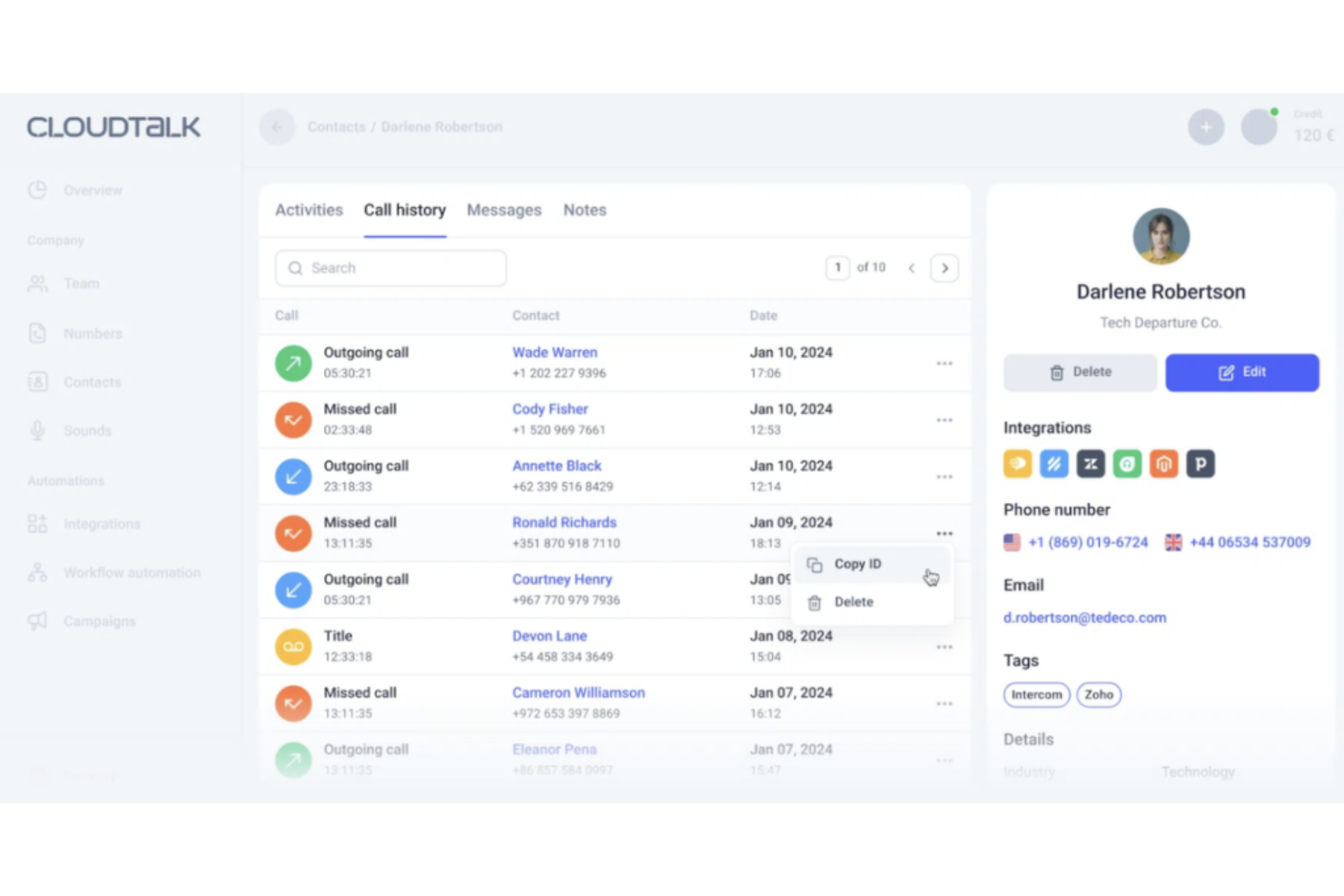
CloudTalk is an AI-powered business calling and call tracking platform that helps sales, support, and operations teams manage inbound and outbound conversations more effectively. It combines human and AI voice agents, global telephony infrastructure, and intelligent routing to make every call measurable and actionable.
Why I picked CloudTalk: I picked CloudTalk because it intelligently connects call performance to team workflows. Its AI conversation intelligence automatically analyzes every interaction, summarizing key topics, detecting sentiment, and generating call notes. This means you get structured insight into customer trends without having to listen to every recording. The post-call reporting dashboard lets you track call volumes, outcomes, and agent metrics in one view, while real-time monitoring allows managers to listen in, whisper advice, or join live calls when needed.
Standout features & integrations:
Features include the call flow designer, which lets you create custom call routes that automatically guide callers to the right person or department. You can also use call menus (IVR) to reduce transfers and improve caller experience, while call queuing ensures no lead or support request is dropped when your team’s busy.
Integrations include HubSpot, Pipedrive, Zoho CRM, Salesforce, MS Dynamics, OdooCRM, Intercom, Zendesk, Salesloft, Outreach, Bullhorn, and Monday.com.
Pros and Cons
Pros:
- Global coverage in 160+ countries
- Live monitoring helps improve team coaching
- AI summaries reduce manual reporting time
Cons:
- Voice quality may vary by region
- Integration setup can take time

Best for Call Management and Analytics
SquareTalk is a cloud-based call tracking and communication platform that centralizes inbound and outbound call management for sales, support, and service teams. It includes predictive dialers, AI voice agents, and omnichannel messaging—helping teams improve engagement, automate outreach, and track performance across multiple channels.
Why I picked SquareTalk: SquareTalk stands out for its blend of call management, analytics, and automation features. With tools like IVR, call recording, and AI-driven insights, leaders gain a clear view of call performance and agent productivity—crucial for optimizing customer engagement and revenue operations. Its global SIP trunking and virtual numbers also make it a flexible choice for international teams managing high call volumes.
Standout features & integrations:
Features include predictive dialers, AI voice agents, omnichannel messaging, custom workflow builders, spam filtering, and AI-powered analytics for performance tracking.
Integrations include Salesforce, HubSpot, Zoho, Freshworks, and Pipedrive, with API access for additional custom integrations.
Pros and Cons
Pros:
- Offers real-time analytics and monitoring for improved call performance visibility.
- Integrates with major CRM systems like Salesforce, HubSpot, and Zoho.
- Supports omnichannel communication for seamless customer engagement.
Cons:
- Advanced customization options may require technical setup.
- Requires a minimum of five users per plan.
New Product Updates from Squaretalk
Squaretalk Adds TradeCore Integration for Brokerage Workflows
Squaretalk adds a TradeCore integration that connects customer conversations with BrokerIQ CRM workflows. This helps brokerage teams trigger AI-driven follow-ups, tasks, and other actions from calls and messages. For more information, visit Squaretalk’s official site.
 .
.
CallRail
Best for call-driven marketing insights
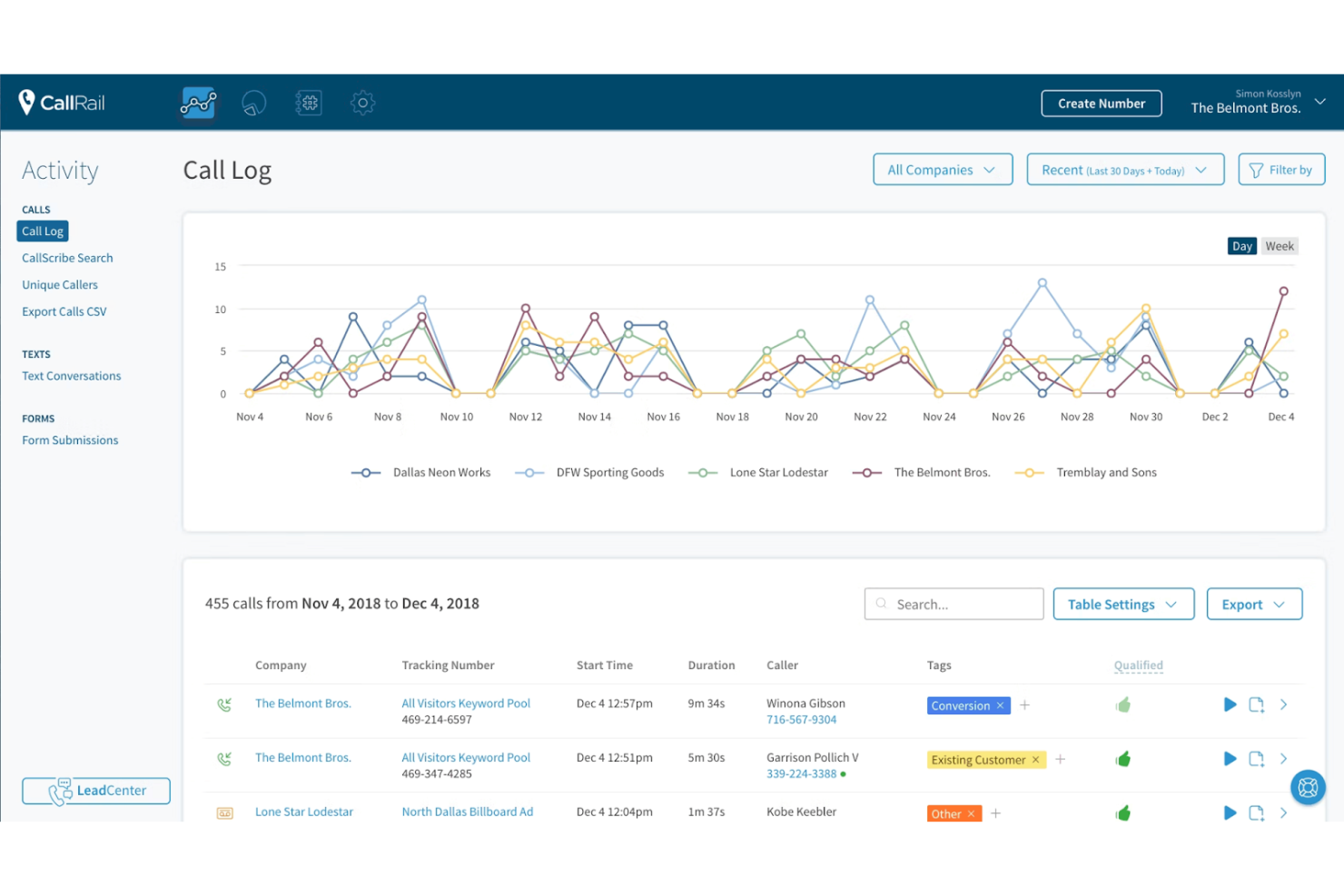
CallRail is built for small businesses that rely on phone interactions to understand customer needs and improve marketing performance. It gives your team clear visibility into which channels drive calls and how those calls convert. If you need an accessible way to evaluate conversations and boost ROI, CallRail keeps things manageable without requiring a large tech stack.
Why I Picked CallRail
I picked CallRail because it gives small teams practical tools to connect marketing activity with real customer calls. You can use Convert Assist to guide leads toward becoming customers, helping your team respond faster and with better context. The call summary feature highlights key points from each interaction, so you can quickly gauge lead quality and service outcomes. These insights help you refine marketing decisions without digging through raw call data. It’s a focused option for teams that need purposeful analytics rather than complex dashboards.
CallRail Key Features
- Call tracking: Monitor and analyze customer calls tied to marketing sources.
- Convert Assist: AI-supported assistance to guide callers toward conversion.
- Call summaries: Automated insights for evaluating lead quality.
- Lead attribution: Understand which channels drive the most valuable calls.
- Multi-channel analytics: View performance across digital and offline sources.
CallRail Integrations
Integrations include Google Ads, Google Analytics, Salesforce, HubSpot, Facebook, Microsoft Advertising, WordPress, Slack, Shopify, and Mailchimp.
Pros and Cons
Pros:
- Easy lead tracking
- Enhances customer insights
- Strong AI features
Cons:
- Limited scalability options
- Limited advanced features
Best for sales teams
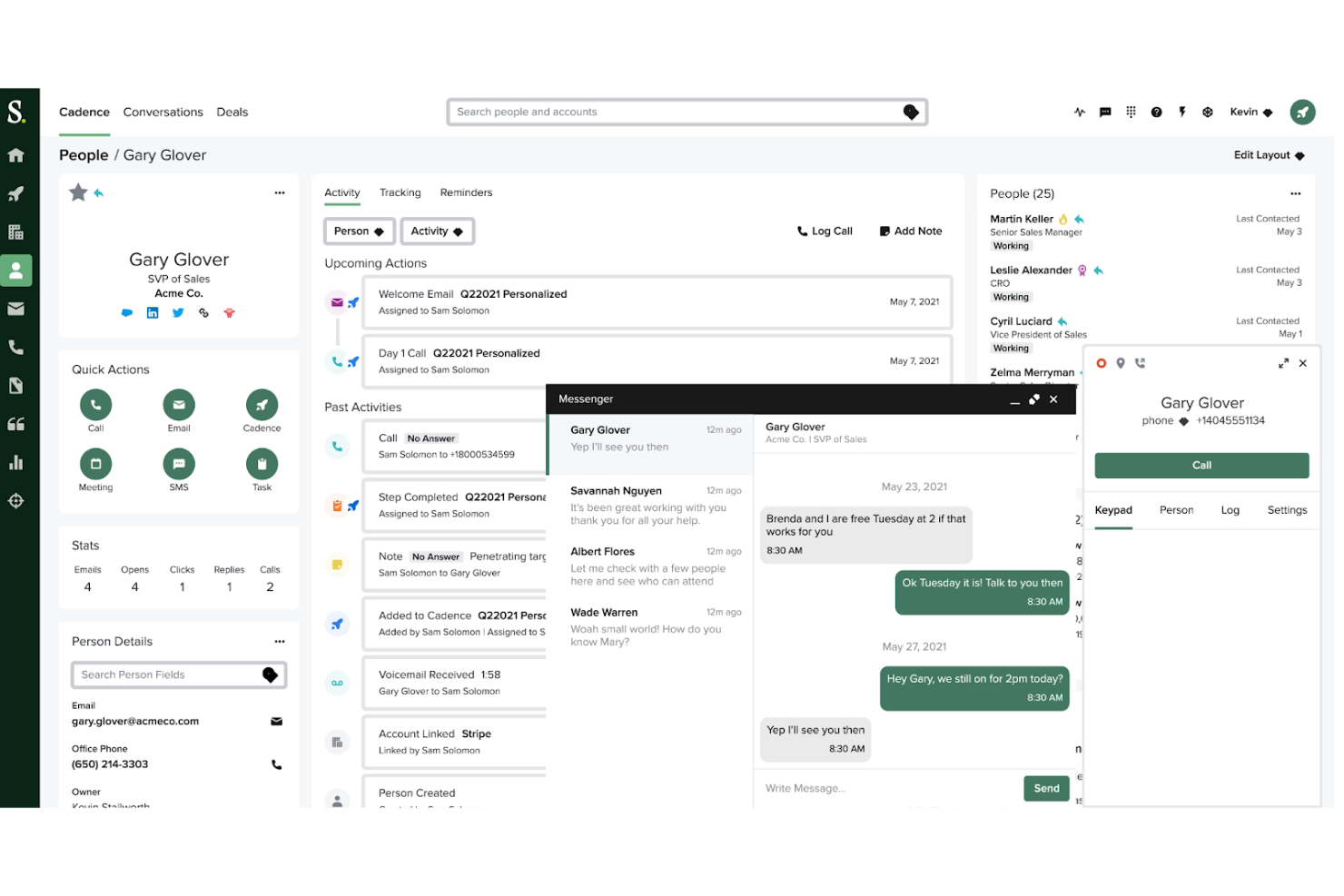
Salesloft enables sales teams to manage and optimize outreach efforts. It improves communication, tracks engagement, and offers tools for closing deals efficiently. The platform organizes sales activities, from calls to emails, simplifying pipeline management and follow-ups.
Why I picked Salesloft: Salesloft provides a structured way for sales teams to manage outreach. Its call tracking system lets you monitor, record, and analyze sales calls for performance insights. Automation tools handle routine tasks like follow-ups, saving time and ensuring consistent communication. The reporting feature delivers valuable data on team activities, helping you make informed decisions. It's useful for teams aiming to improve communication and close deals more efficiently.
Standout features & integrations:
Features include call recording and tracking that lets you analyze your team's performance, real-time conversation insights to help improve the quality of your calls, and custom call dispositions that help you categorize and track call outcomes. You can also use the platform to automate follow-up tasks and manage your team's communication strategy. These tools make it easier for you to stay organized and focused on what matters most—closing deals.
Integrations include Salesforce, Microsoft Dynamics 365, LinkedIn Sales Navigator, Gmail, Outlook, Zoom, Slack, HubSpot, Calendly, and Google Calendar.
Pros and Cons
Pros:
- Facilitates collaboration between team members
- Strong reporting capabilities
- Customizable email cadences
Cons:
- Complex admin setup
- Occasional platform instability
Best for integration options
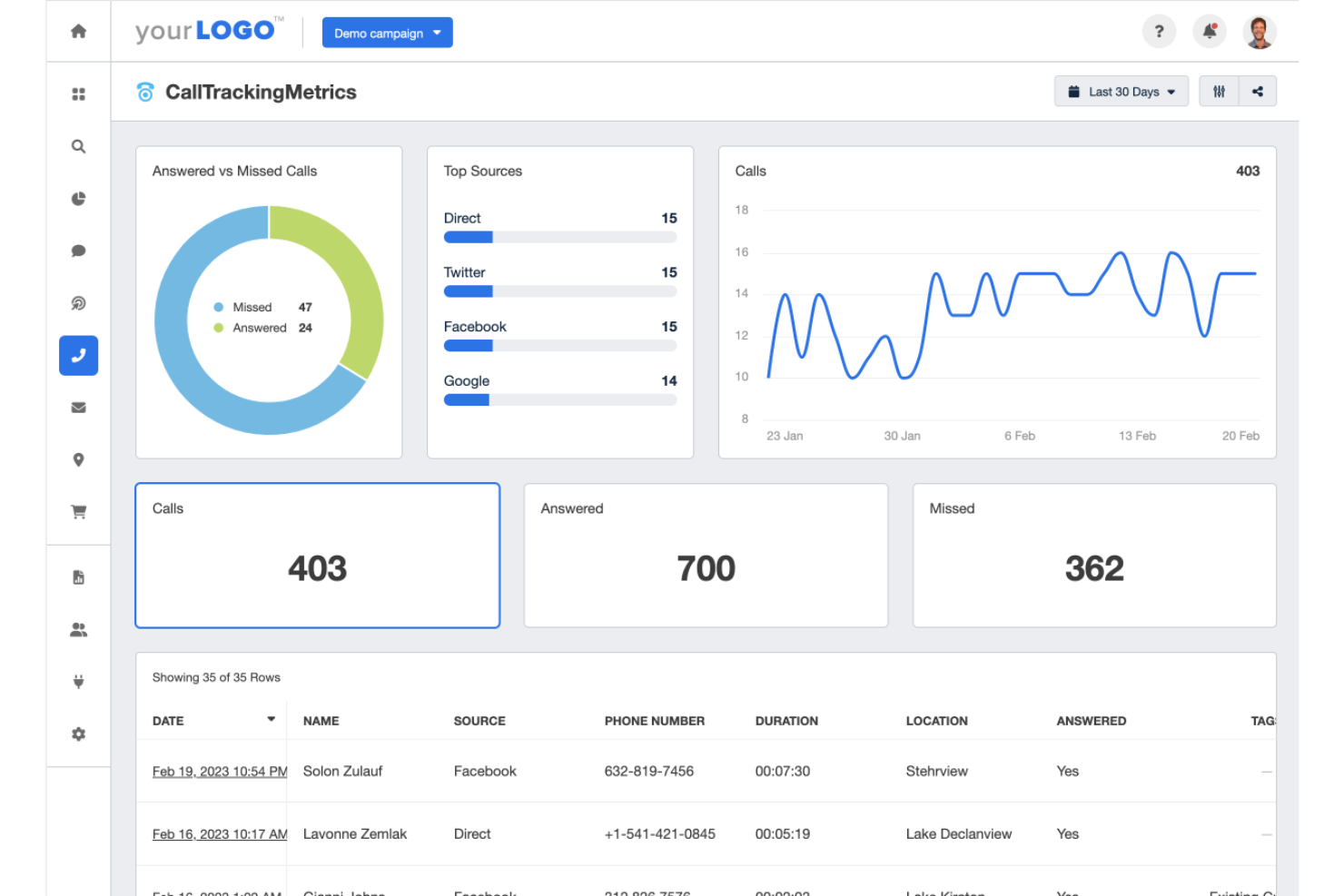
CallTrackingMetrics helps businesses track and manage phone calls, offering insights into marketing and communication efforts. It’s designed for teams looking to optimize campaigns with detailed call analytics and attribution data. The platform supports various business needs, including customer support and marketing.
Why I picked CallTrackingMetrics: CallTrackingMetrics offers advanced call tracking with customizable reports and detailed call flows. You can automatically route calls to the right team members based on specific factors. The platform provides real-time tracking and reporting, giving you a clear view of how your campaigns are performing. It's especially helpful for teams managing multiple communication channels while keeping track of performance metrics across all channels.
Standout features & integrations:
Features include detailed call tracking to see which campaigns drive the most calls, automated call flows to route calls based on specific rules, and real-time reporting that helps you stay on top of performance. You can customize call routing based on business hours, caller attributes, or campaign needs. The platform also provides advanced analytics, making it easy to track results and optimize your campaigns.
Integrations include Salesforce, HubSpot, Google Analytics, Facebook, Microsoft Teams, WordPress, Google Ads, Shopify, Zendesk, and Slack.
Pros and Cons
Pros:
- Easy integration with websites
- Scalable for growing businesses
- Flexible call flow customization
Cons:
- Some call recordings are low-quality
- Complex dashboard for beginners
Best for efficient call management
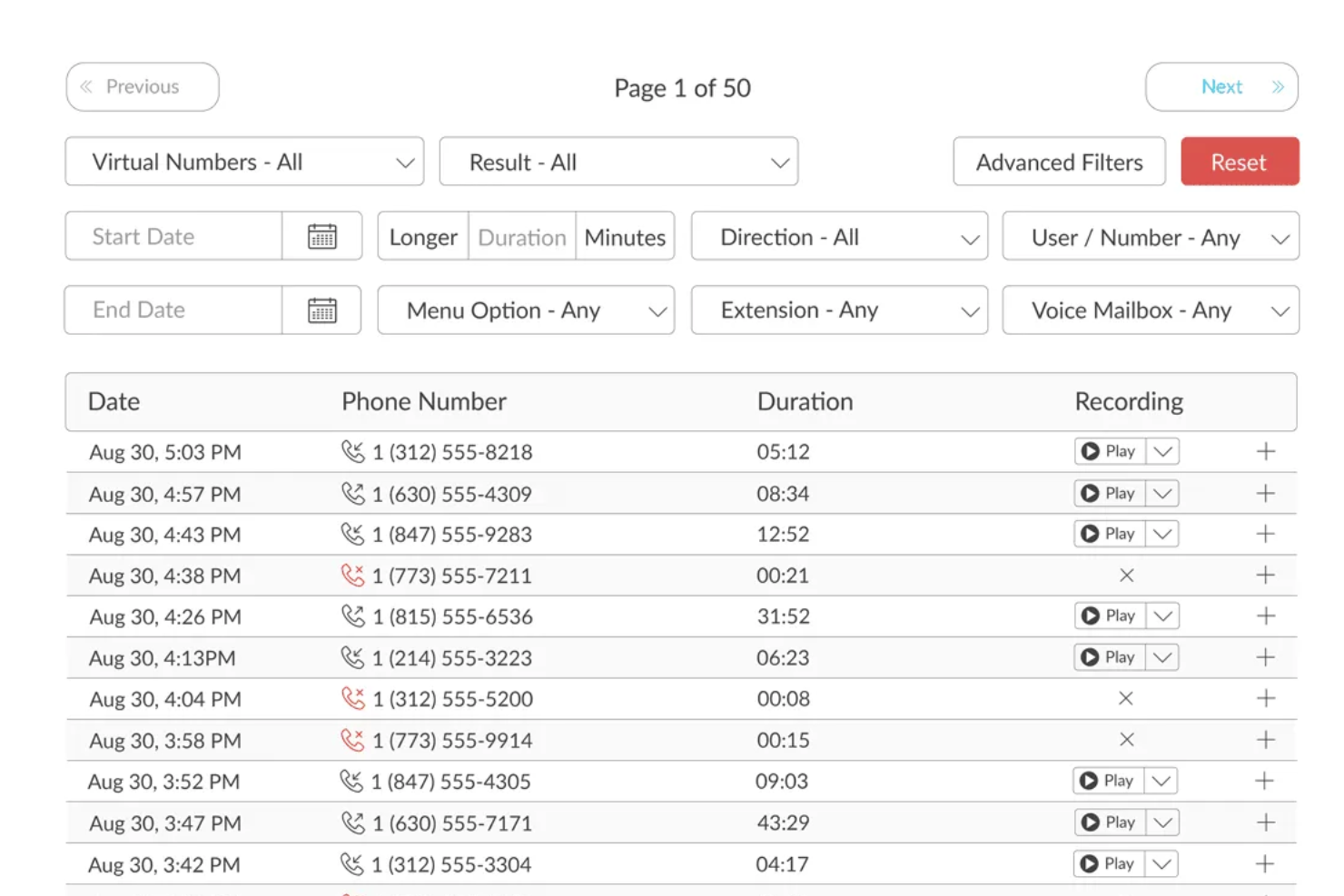
TalkRoute is a virtual phone system designed for business owners and teams, facilitating communication through calls, texts, and video meetings. It offers key functions like call forwarding, text messaging, video conferencing, and voicemail management. Accessible on desktop, mobile, or web apps, TalkRoute provides options for toll-free and local phone numbers to support customer engagement.
Why I picked TalkRoute: TalkRoute's call forwarding and routing capabilities are a solid choice for managing your incoming calls effectively. This feature allows you to direct calls to the right team members or departments, regardless of where your team is located. It ensures that every call reaches the person best equipped to handle it, enhancing customer satisfaction and reducing the time your team spends on manually transferring calls. This not only helps in managing customer interactions smoothly but also boosts your team's efficiency.
Standout features & integrations:
Features include call forwarding and routing, which allows you to make and receive calls via desktop, web, or mobile apps; text messaging, enabling you to send and receive SMS and MMS messages using business numbers; and meetings, which let you conduct video conferences with up to 100 participants without requiring downloads.
Integrations include Google Sheets HubSpot Slack Discord Gmail Asana Integrations include Google Sheets, HubSpot, Slack, Discord, Gmail, and Asana.
Pros and Cons
Pros:
- HIPAA compliance
- Multi-level auto-attendant helps reduce long wait times
- Offers the ability to port existing numbers
Cons:
- Lacks advanced features like single sign-on for larger enterprises
- Dependence on internet connection
Infinity
Best for custom tracking
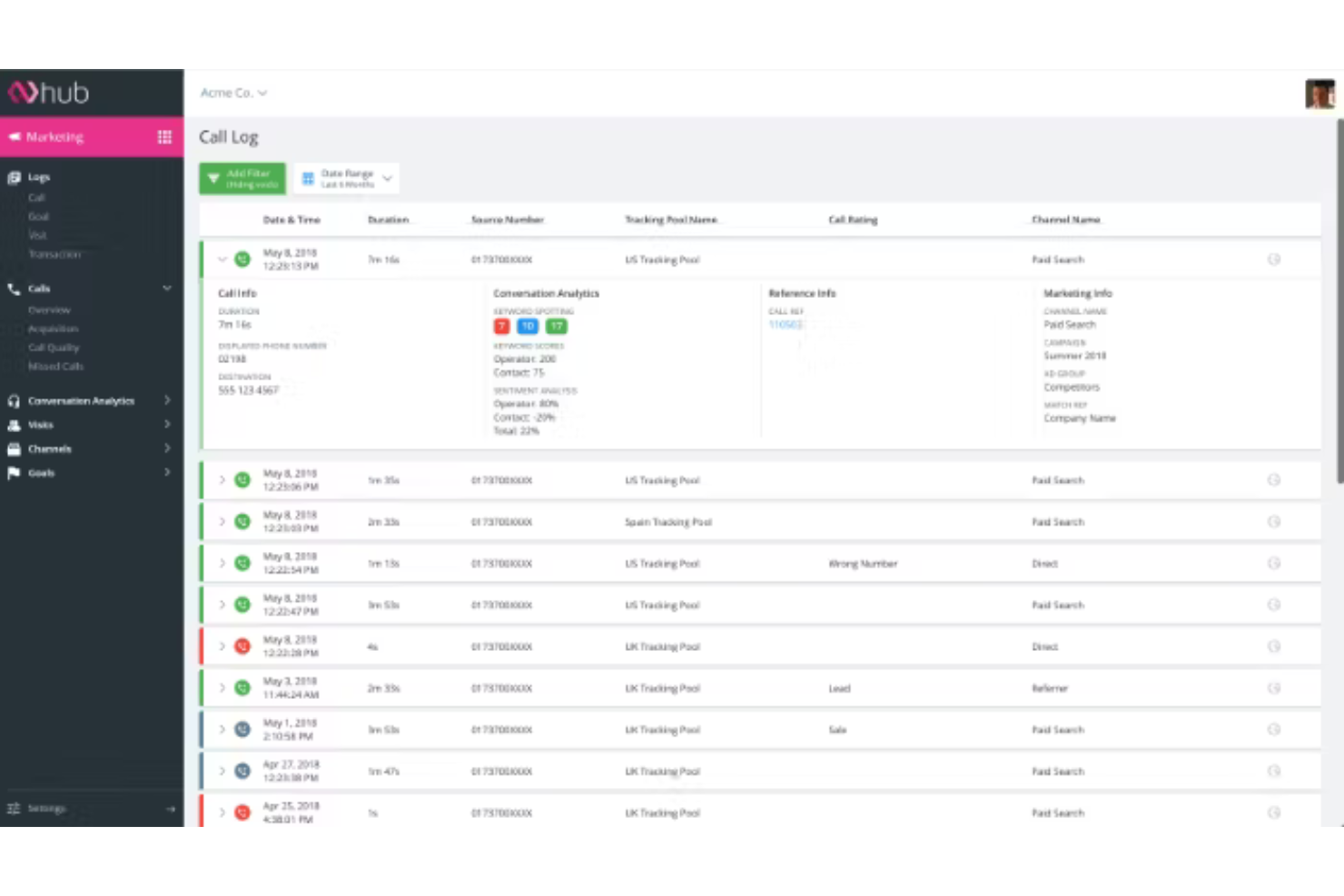
Infinity is a call tracking and analytics platform for understanding customer interactions. It lets users track calls and measure the impact of their marketing, offering insights into what drives inbound calls and conversions. Infinity's customizable tracking tools make it adaptable to different needs.
Why I picked Infinity: Infinity offers advanced customization options that let you tailor your call tracking setup to meet specific requirements. You can track calls across different channels and marketing campaigns, which gives your team a clear picture of what’s working. Its reporting tools provide detailed insights that are essential for optimizing marketing strategies. Plus, the platform's ability to handle complex setups, like IVR trees and advanced call flows, makes it a great option if you're looking to create a system that perfectly fits your needs.
Standout features & integrations:
Features include customizable call tracking, detailed reporting options, and multi-channel tracking. You can gather insights on call performance and use them to refine your marketing efforts.
Integrations include Google Analytics, Google Ads, Salesforce, HubSpot, Marketo, Facebook Ads, Microsoft Dynamics 365, Zendesk, WordPress, and Slack.
Pros and Cons
Pros:
- Handles complex call flows
- Detailed reporting for better insights
- Customizable to fit any setup
Cons:
- Response times can vary during peak periods
- Implementation can be challenging
Twilio
Best for combining call tracking and Voice API
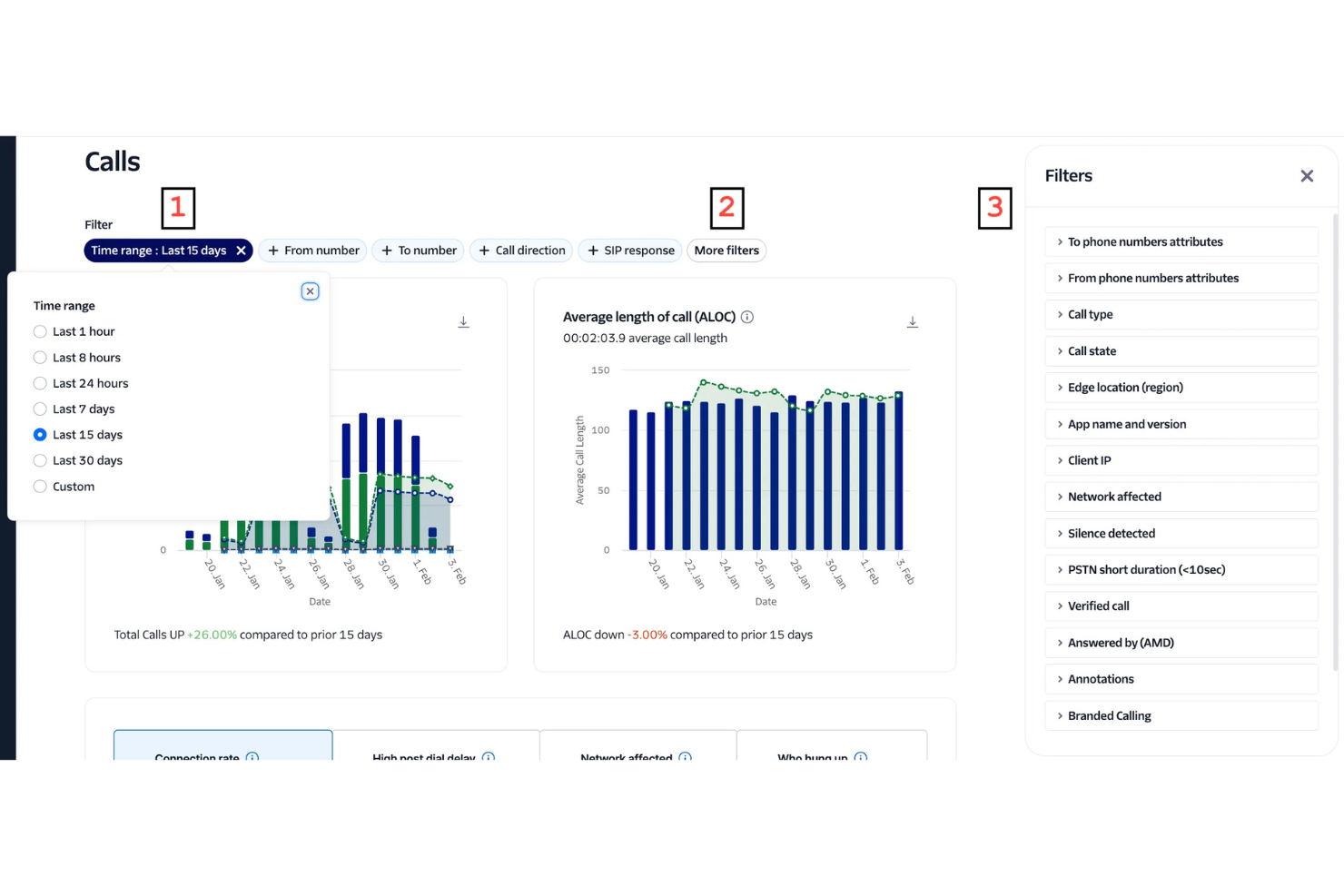
Twilio is a programmable communications platform that enables businesses to track, analyze, and optimize phone interactions alongside SMS, email, and chat. Its call tracking features, embedded within the Twilio Voice API, let teams monitor call performance, measure marketing attribution, and gather insights into customer sentiment—all from a unified engagement hub.
Why I picked Twilio: Twilio combines robust call tracking with its powerful Voice API, offering flexibility for developers and scalability for global businesses. Tools like Voice Insights and Conversational Intelligence provide in-depth analytics, helping leaders improve campaign ROI, customer interactions, and sales performance. Its emphasis on privacy, compliance, and cross-channel orchestration makes it a go-to choice for enterprise-grade communication strategies.
Standout features & integrations:
Features include programmable voice, scalable infrastructure, global coverage, robust security, and advanced analytics through Voice Insights.
Integrations include Salesforce, HubSpot, Zendesk, Microsoft Dynamics, Shopify, Slack, WhatsApp, Google Ads, Marketo, and Facebook Messenger.
Pros and Cons
Pros:
- Supports global scalability and flexible communication flows across multiple channels.
- Voice Insights delivers detailed analytics and caller sentiment data for optimization.
- Combines call tracking with APIs for SMS, voice, and video, creating an integrated engagement platform.
Cons:
- Complex setup and maintenance may require developer expertise.
- Pricing can fluctuate based on usage and volume.

FluentStream
Best for remote teams

FluentStream is a cloud-based communication platform that helps businesses manage phone systems and customer interactions. It’s designed for companies of all sizes and offers tools for voice calls, video meetings, and messaging. The platform focuses on making communication simple, especially for teams spread across different locations.
Why I picked FluentStream: FluentStream offers features like call forwarding, voicemail transcription, and call recording, which are especially helpful for teams working remotely. Its customizable phone menus make it easy to route calls, and its browser-based interface lets you manage everything from anywhere. You can also track call performance and customer engagement with built-in analytics.
Standout features & integrations:
Features include call forwarding, customizable phone menus, and voicemail transcription. Your team can access the system from any browser, making it easy to stay connected. You can also track call performance and customer interactions through built-in analytics.
Integrations include Salesforce, Zoho CRM, Slack, Microsoft Teams, Google Workspace, HubSpot, Zendesk, Pipedrive, Outlook, and Zapier.
Pros and Cons
Pros:
- Reliable even with remote teams
- Easy access to recorded calls
- Flexible for international offices
Cons:
- Customization can be tricky for non-technical user
- Occasional call quality issues on softphones
Other Call Tracking Software
Here are some additional call tracking software options that didn’t make it onto my shortlist, but are still worth checking out:
- Invoca
For AI-driven conversation insights
- WhatConverts
For dynamic number insertion
- Nimbata
For marketing agencies
- RingBa
For large enterprises
- CallFire
For SMS campaigns
- Salestrail
For SIM and WhatsApp call tracking
- CallSource
For call analytics
- CallAction
For automated engagement and tracking
- 800response
For toll-free numbers
- Retreaver
For affiliate tracking
- CallScaler
For conversion tracking


How I Evaluate Call Tracking Software
I split my evaluation into two layers: the baseline requirements—DNI, call attribution, and CRM sync—that every tool must have, and the differentiators that separate the best from the rest.
Core Functionality (Table Stakes For This List)
When I'm selecting tools for my list, I rank each one on a scale from 0 (does not offer the functionality) to 5 (excels in this area) for each core functionality listed below. Then, I calculate the tool's total score into a percentage. Each tool needs to achieve a minimum total score of 65% to be considered for inclusion.
- Dynamic Number Insertion: I check whether the tool swaps tracking numbers at the session level, so you can trace a call back to a specific Google Ads keyword or organic landing page visit.
- Multi-Touch Call Attribution: Good attribution connects calls to the full buyer journey, not just last click. I look for support across paid, organic, direct, and offline touchpoints.
- Call Recording & Transcription: I evaluate whether recordings include automated transcription and speaker separation, which RevOps teams need to audit lead quality or coach reps on discovery calls.
- CRM & Martech Integrations: Every tool should push call data into platforms like Salesforce, HubSpot, Google Ads, and GA4. I look for native, bi-directional syncs rather than one-way data dumps.
- Conversation Intelligence: I look for AI-driven analysis that tags calls by outcome, detects buyer intent signals, and flags qualified leads automatically instead of requiring manual review.
- Call Routing & Tracking Numbers: I evaluate number provisioning (local, toll-free, international) and routing logic. Source-based routing, geo-routing, and schedule-based rules all factor into my scoring.
Once I have a list of tools that meet this criteria, I consider what sets each platform apart.
Differentiating Factors (What Sets Vendors Apart)
Here's how I compare and contrast different vendors:
Standout Features
Bid automation signals are a big differentiator. I look for tools that feed call conversions back into Google Ads or Meta so your smart bidding optimizes toward real pipeline outcomes, not just clicks. Spam call detection also matters because unfiltered robocalls and repeat dialers corrupt your attribution data and waste rep time. I evaluate whether a platform can unify calls, form fills, and chat into one attribution view too. That combined visibility gives RevOps teams an accurate cost-per-lead across every conversion type.
Beyond Features
Compliance is a major consideration. I check whether a platform supports call recording consent workflows, data retention controls, and certifications like SOC 2 or HIPAA for teams in regulated industries. Pricing transparency also matters because call tracking costs can spike fast when number pools grow or call volume surges. I evaluate how vendors handle overages and whether conversation intelligence is bundled or an add-on. Reporting depth rounds out my assessment, specifically whether dashboards support multi-touch models and account-level views that align with B2B pipeline reporting.
How to Choose Call Tracking Software
It’s easy to get bogged down in long feature lists and complex pricing structures. To help you stay focused as you work through your unique software selection process, here’s a checklist of factors to keep in mind:
| Factor | What to Consider |
| Scalability | Will the software grow with your business needs? |
| Integrations | Does it integrate with your existing systems? |
| Customizability | Can you tailor the software to meet your needs? |
| Ease of Use | Is the interface intuitive for your team? |
| Budget | Does the cost align with your financial resources? |
| Security Safeguards | Are there sufficient measures to protect your data? |
| Customer Support | Is there reliable support available when needed? |
| Reporting Features | Does it offer the insights you need for decision making? |
Trends in Call Tracking Software
In my research, I sourced countless product updates, press releases, and release logs from different call tracking software vendors. Here are some of the emerging trends I’m keeping an eye on:
- AI-Powered Analytics: Many vendors are incorporating AI to provide deeper insights into call data. This helps businesses predict customer needs and improve decision-making. For instance, Invoca uses AI to analyze call outcomes for better marketing strategies.
- Voice Recognition: Advanced voice recognition is becoming more common, allowing for better call categorization and sentiment analysis. This trend helps businesses understand customer emotions during calls. Companies like CallRail are leveraging voice recognition for enhanced customer insights.
- Omnichannel Tracking: The ability to track customer interactions across multiple channels is gaining traction. This trend provides a holistic view of customer journeys, which is crucial for marketing optimization. Vendors like WhatConverts are integrating omnichannel tracking to meet this demand.
- GDPR Compliance Features: With increasing data privacy concerns, tools are being developed with GDPR compliance in mind. This ensures that businesses can track calls without violating privacy regulations. Phonexa has focused on building GDPR features into its platform.
- Real-Time Data Visualization: There's a growing demand for real-time data dashboards that provide instant insights. This trend helps teams make quick decisions based on live data. Ringba offers real-time visualization tools to keep users informed instantly.
What is Call Tracking Software?
Call tracking software monitors and analyzes phone calls to gain insights into customer interactions and marketing performance. Used by marketing, sales, and customer service teams, it improves communication strategies and tracks campaign effectiveness. Features like AI analytics, voice recognition, and omnichannel tracking help understand customer needs, categorize interactions, and provide a full view of customer journeys. This data helps improve marketing and customer engagement.
Features of Call Tracking Software
When selecting call tracking software, keep an eye out for the following key features:
- Call recording: Capture and store audio recordings of calls so you can review interactions, check for quality, and train your team to handle calls better. This also helps you resolve “he said, she said” moments with real data.
- Dynamic number insertion: Automatically swaps out phone numbers on your website depending on the visitor’s source, letting you accurately track which marketing channels bring in calls. No more guessing where your leads really came from!
- Multi-channel attribution: Connects calls to the specific marketing campaigns, ads, or keywords that drove them. You get a crystal-clear view of what’s working, so you can spend your budget smarter.
- Real-time analytics dashboard: Gives you instant access to metrics like call volume, duration, time of call, and more—all in one clean dashboard. This helps you spot trends fast and react in the moment, not days later.
- Call routing: Directs incoming calls to the right team member or department based on rules you set—think location, time, or call purpose. Say goodbye to callers getting bounced around like a game of hot potato.
- Detailed caller profiles: Builds a profile for each caller with important details like previous interactions, location, and source, making every conversation more personal and relevant.
- Integrations with CRM and marketing tools: Seamlessly connects with your favorite platforms—like Salesforce or HubSpot—so your call data flows straight into your workflow, saving you manual entry and syncing headaches.
- Spam and fraud detection: Helps filter out unwanted calls and robocalls, so your team can focus on real leads, not wasting time on fake ones.
- Custom reporting: Allows you to create detailed, tailored reports based on the data that matters most to you, so you can dig deep and share meaningful insights with your team.
Common Call Tracking Software AI Features
Beyond the standard call tracking software features listed above, many of these solutions are incorporating AI with features like:
- AI-powered call transcription: Automatically converts spoken conversations into searchable text, saving you hours of manual work and letting you quickly scan for insights or compliance.
- Predictive lead scoring: Uses AI to analyze call data and predict which callers are most likely to turn into customers, so you know where to focus your energy for the best results.
- Sentiment analysis: Analyzes the tone and mood of conversations in real time, helping you spot frustrated callers, happy customers, or sales opportunities without guesswork.
- Automated call tagging: AI listens for keywords or behaviors and assigns relevant tags to calls, making reporting and follow-up easier (without endless hours of manual tagging).
- Conversational analytics: Dives deep into call content to find patterns, trends, and actionable insights, giving you a powerful peek into what your customers are really thinking and asking for.
Benefits of Call Tracking Software
Implementing call tracking software provides several benefits for your team and your business. Here are a few you can look forward to:
- Improved marketing ROI: By tracking call sources with dynamic number insertion, you can identify which campaigns are driving results and allocate budgets more effectively.
- Enhanced customer insights: AI-powered analytics and voice recognition provide a deeper understanding of customer behavior and sentiment, leading to better service and engagement.
- Data-driven decisions: Real-time dashboards and customizable reporting allow your team to make informed choices quickly, optimizing strategies and outcomes.
- Regulatory compliance: GDPR compliance tools ensure that your call tracking activities adhere to privacy laws, protecting both your business and your customers.
- Quality assurance and training: Call recording features let you review interactions, helping improve service quality and train your staff more effectively.
- Comprehensive customer journey view: Omnichannel tracking offers insights into customer interactions across various platforms, aiding in a unified marketing approach.
- Conversion optimization: Conversion tracking measures the success of marketing efforts in driving actions, allowing you to refine tactics for better results.
Costs and Pricing of Call Tracking Software
Selecting call tracking software requires an understanding of the various pricing models and plans available. Costs vary based on features, team size, add-ons, and more. The table below summarizes common plans, their average prices, and typical features included in call tracking software solutions:
Plan Comparison Table for Call Tracking Software
| Plan Type | Average Price | Common Features |
| Free Plan | $0 | Basic call tracking, limited analytics, and call recording. |
| Personal Plan | $10-$30/user/month | Call analytics, dynamic number insertion, and call recording. |
| Business Plan | $50-$100/user/month | Advanced analytics, CRM integration, call routing, and customizable reporting. |
| Enterprise Plan | $150-$300/user/month | AI-driven insights, omnichannel tracking, GDPR compliance, and real-time dashboards. |
Call Tracking Software FAQs
Here are some answers to common questions about call tracking software:
How does call tracking software work with my existing phone system?
Call tracking software integrates with your existing phone system to monitor and analyze calls. It assigns unique numbers to different marketing channels, allowing you to trace which campaigns generate the most calls. The software collects data from these interactions, providing insights into caller behavior and campaign performance. Your team can access this data through the software’s dashboard, helping you make informed decisions.
Can call tracking software improve customer service?
Yes, call tracking software can enhance customer service by providing insights into call performance and customer interactions. By using inbound call tracking to analyze call recordings and data, your team can identify areas for improvement and address customer concerns more effectively. Additionally, features like call routing ensure that customers reach the right department quickly, improving their overall experience.
Is call tracking software compliant with privacy regulations?
Many call tracking software solutions are designed with privacy regulations in mind, such as General Data Protection Regulation (GDPR). They offer features that anonymize caller data and ensure calls are recorded legally. Your team must choose a provider that complies with your region’s privacy laws. Always review the software’s compliance features before making a decision.
How can call tracking software help with marketing attribution?
Call tracking software helps with marketing attribution by assigning unique phone numbers to different campaigns. This lets your marketing teams see which channels drive calls and conversions, providing a clear picture of marketing effectiveness. With this data, your digital marketing team can allocate budgets, such as ad spend and Pay-per-click (PPC), more efficiently and focus on strategies that deliver the best results.
What kind of analytics can I expect from a call tracking solution?
Call tracking software provides various analytics including conversation intelligence metrics such as call volume, duration, and outcomes. It can also offer insights into caller demographics and geographical data. Some advanced solutions use AI to analyze call sentiment and predict customer needs. This information helps your team refine marketing strategies, improve customer interactions, and ultimately create quality leads and call conversions.
How does call tracking software integrate with CRM systems?
Call tracking software can integrate with CRM systems to automatically log call data and interactions. This ensures that your sales and support teams have a complete view of customer history. Integration helps streamline workflows by reducing manual data entry and improving data accuracy. Your team can use this information to personalize customer interactions and improve service.
What’s Next?
Want to take your RevOps game to the next level? Subscribe to The CRO Club newsletter for expert advice, software reviews, and other resources to help you deliver predictable growth at scale.