

10 Best Pricing Software Reviewed For 2026

10 Best Pricing Software Shortlist


Stop struggling with manual pricing and discover a treasure trove of the best pricing software options. This in-depth review analyzes 21 solutions, equipping you with the knowledge to find the ideal software to automate tasks, improve accuracy, and ultimately increase your revenue.
Why Trust Our Software Reviews
We’ve been testing and reviewing RevOps software since 2022. As RevOps leaders ourselves, we know how critical and difficult it is to make the right decision when selecting software.
We invest in deep research to help our audience make better software purchasing decisions. We’ve tested more than 2,000 tools for different RevOps use cases and written over 1,000 comprehensive software reviews. Learn how we stay transparent & our software review methodology.
| Tool | Best For | Trial Info | Price | ||
|---|---|---|---|---|---|
| 1 | Best for physical & omni-channel retail | Free demo available | Pricing upon request | Website | |
| 2 | Best for competitor price tracking | Free demo available | Pricing upon request | Website | |
| 3 | Best for handling complex pricing | Free demo available | Pricing upon request | Website | |
| 4 | Best for AI-driven price optimization | Free demo available | Pricing upon request | Website | |
| 5 | Best for competitor price tracking | 14-day free trial | From $99/month | Website | |
| 6 | Best for retailers | Free demo available | From €399/month | Website | |
| 7 | Best for IT service providers | Free demo available | From $299/month | Website | |
| 8 | Best for ecommerce users | Free demo available | Pricing upon request | Website | |
| 9 | Best for Amazon sellers | 14-day free trial | Pricing upon request | Website | |
| 10 | Best on-premise pricing software | Free demo available | Pricing upon request | Website |
Best Pricing Software Reviews
Are you ready to discover the best pricing software? Below is a detailed summary of why I chose the software, key features, pricing, and pros and cons. I’ve also included a screenshot of each tool.

Yieldigo
Best for physical & omni-channel retail

Yieldigo is built for retailers who need to manage pricing across both physical stores and digital channels. The platform appeals to grocery, pharmacy, and specialty retail teams looking to unify pricing strategies and optimize margins in complex, high-volume environments. Its data-driven approach helps you balance competitive pricing with profitability, even when managing thousands of SKUs across multiple locations.
Who Is Yieldigo Best For?
Brick-and-mortar and omnichannel retailers that need AI-powered pricing and markdown optimization tailored to physical store environments.
Why I Picked Yieldigo
What stands out about Yieldigo is its focus on physical and omni-channel retail pricing challenges. The platform supports centralized price management for both brick-and-mortar and online stores, making it easier to maintain consistency across all sales channels. I appreciate its ability to handle complex pricing scenarios, such as regional price variations and promotions, which are common in large retail operations. Yieldigo’s analytics-driven recommendations help you optimize prices for thousands of SKUs while balancing competitiveness and profitability.
Yieldigo Key Features
I also found several other features in Yieldigo that are useful for retail pricing teams:
- Automated Price Suggestions: Generate data-driven price recommendations based on demand, seasonality, and competitor data.
- Promotion Impact Analysis: Assess how different promotions affect sales and margins before launching them.
- Role-Based Access Controls: Assign permissions and access levels to different team members for secure collaboration.
- Batch Price Updates: Apply pricing changes to large groups of products or locations at once.
Yieldigo Integrations
Integrations include Colruyt, Metro, Makro, SuperPharm, Newpharma, Bonami, Ahold, Erocash, Admenta, Lékárna CZ, Delia, Healthspan, and more.
Pros and Cons
Pros:
- Automates repetitive pricing tasks
- Supports pricing strategies tailored to geographic zones
- Provides actionable, performance-based recommendations for promotions
Cons:
- Pricing information is available only upon request
- Limited mobile accessibility
New Product Updates from Yieldigo

Yieldigo Adds Export Scheduling and Promotions Overview
Yieldigo adds export scheduling with exclusion periods and a Promotions Overview for product-level promotion timelines. These updates improve pricing operations and promotion visibility. For more information, visit Yieldigo’s official site.
 .
.
Best for competitor price tracking
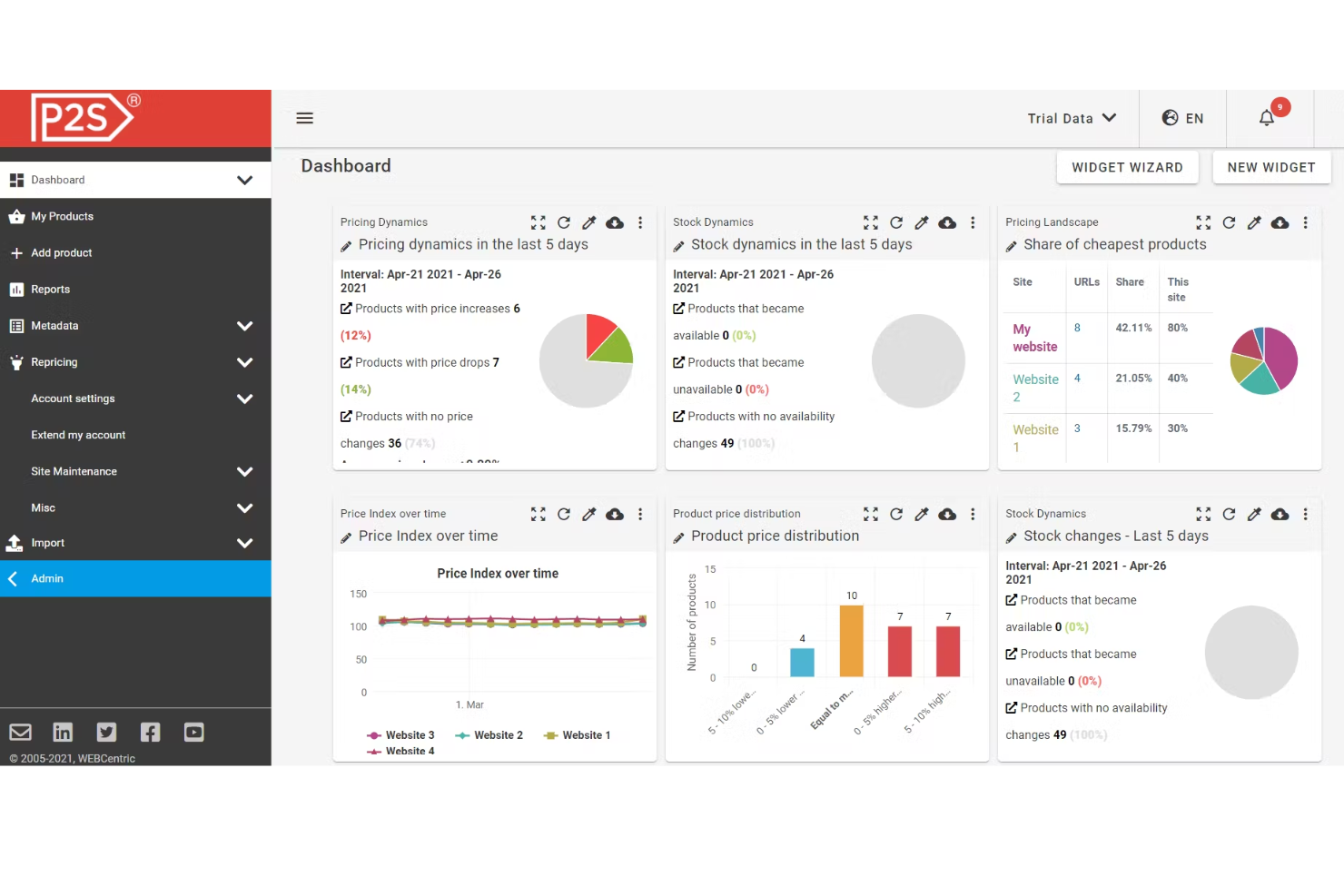
If you need to monitor competitor pricing across multiple channels, Price2Spy is built for that job. The platform is especially useful for ecommerce managers, brands, and distributors who want to track, analyze, and react to market price changes in real time. Its automated price monitoring and reporting help you spot pricing gaps and make informed adjustments faster than manual tracking allows.
Who Is Price2Spy Best For?
Businesses that prioritize detailed competitor price monitoring and want accurate tracking across marketplaces and ecommerce sites.
Why I Picked Price2Spy
For teams focused on competitor price tracking, Price2Spy offers specialized tools that go beyond basic monitoring. The platform lets you automatically track competitor prices across thousands of products and multiple online stores, giving you a clear view of market shifts as they happen. I like that it includes price change alerts and historical price analysis, so you can quickly spot trends and react to competitor moves. These features make Price2Spy a strong choice for businesses that need to stay agile in dynamic, price-sensitive markets.
Price2Spy Key Features
Some other features in Price2Spy that caught my attention include:
- MAP Monitoring: Track minimum advertised price violations across your product catalog.
- Dynamic Pricing Module: Adjust your own prices automatically based on competitor data and custom rules.
- Duplicate Product Detection: Identify and merge duplicate listings to keep your data clean.
- Customizable Dashboards: Build dashboards tailored to your team’s specific reporting and analysis needs.
Price2Spy Integrations
Integrations include Adobe Commerce (Magento), Shopify, BigCommerce, WooCommerce, Shift4Shop, Shopware, Presta Shop, Google Shopping Feed, GA4, and API integrations that support SOAP and REST interfaces.
Pros and Cons
Pros:
- Visual graphs to track price changes
- Monitoring and reporting on market trends
- Real-time alerts for pricing changes
Cons:
- Interface may be confusing for some users
- Some manual checks may be required

Best for handling complex pricing

When your business needs to manage complex pricing structures, DealHub AI offers a tailored solution. This platform is designed for sales operations, finance teams, and revenue leaders who handle intricate product catalogs, custom quotes, and approval workflows. DealHub AI’s configuration and pricing engine helps you automate even the most layered pricing scenarios without sacrificing accuracy or control.
Who Is DealHub AI Best For?
Sales organizations that need to manage complex pricing structures, bundles, and approvals within a CPQ-driven sales process.
Why I Picked DealHub AI
For organizations that need to handle complex pricing, DealHub AI stands out with its advanced configuration and pricing capabilities. The platform supports multi-dimensional pricing models, allowing you to manage volume discounts, bundled offers, and region-specific rates all in one place. I appreciate how DealHub AI’s guided selling workflows help teams build accurate quotes for even the most intricate deals. These features make it a strong fit for businesses with layered approval processes and highly customized pricing requirements.
DealHub AI Key Features
Some other features in DealHub AI that are worth noting include:
- Contract Management: Store, generate, and manage contracts directly within the platform.
- E-signature Integration: Collect legally binding signatures without leaving DealHub AI.
- DealRoom Collaboration: Centralize deal documents and communication in a shared digital workspace.
- Approval Workflow Automation: Route pricing and discount approvals through customizable workflows.
DealHub AI Integrations
Integrations include Salesforce, Microsoft Dynamics 365, HubSpot, Freshworks, Slack, Gong, Docusign, and DealHub AI API.
Pros and Cons
Pros:
- Offers scalability for various company sizes
- Integrates well with third-party applications
- Highly customizable to fit specific business needs
Cons:
- May require additional configuration for complex pricing rules
- Not ideal for businesses without a defined sales process
New Product Updates from DealHub AI

DealHub AI Expands Bundle Attribute Automation
DealHub AI introduces Assignment Rules for child proposal attributes and numeric aggregation for bundles. These updates give admins more control over bundle attribute automation and configuration. For more information, visit DealHub’s official site.
 .
.
Best for AI-driven price optimization
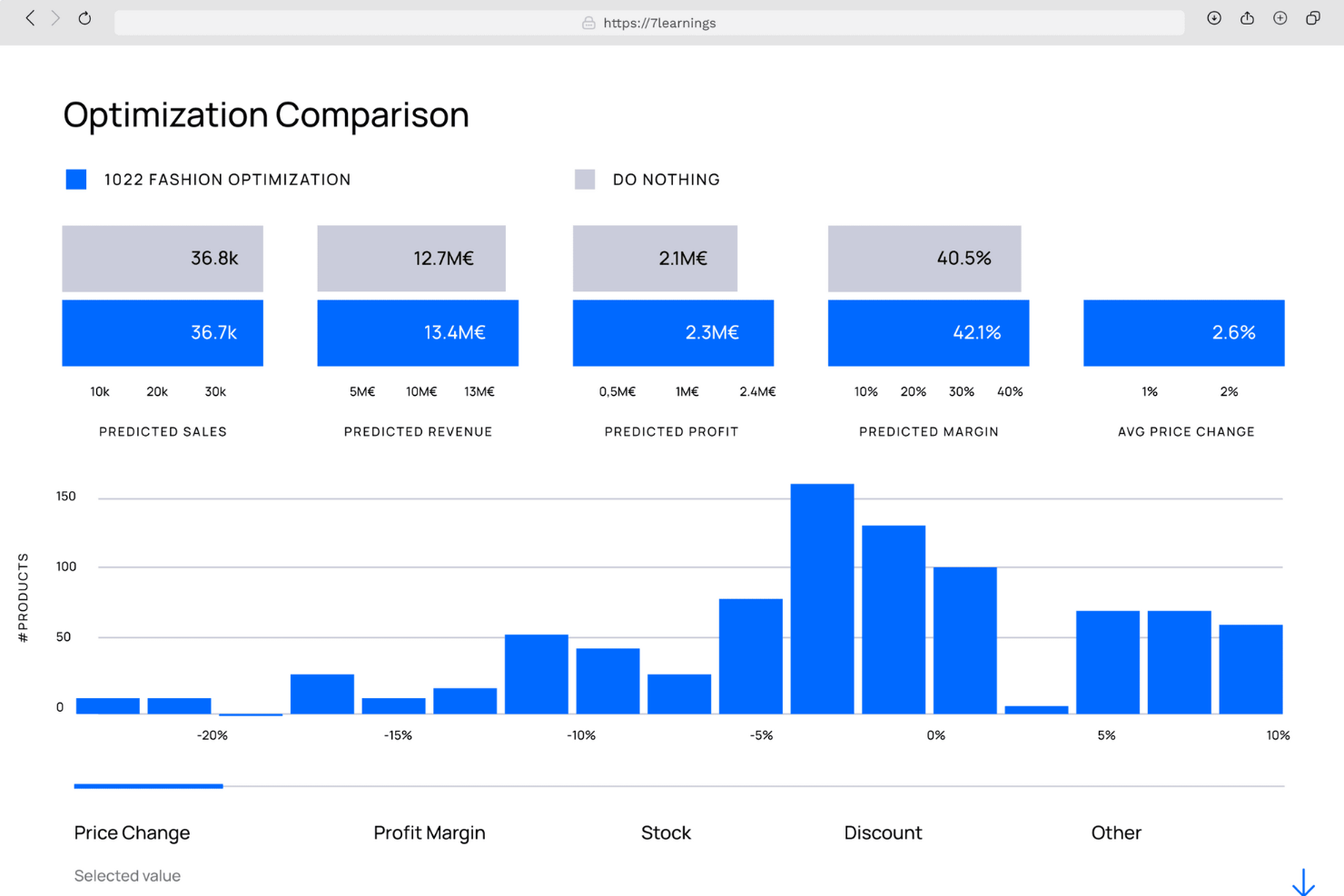
If you’re searching for AI-powered price optimization, 7Learnings brings advanced machine learning to your pricing strategy. Retailers and e-commerce teams use it to predict demand and automate price adjustments based on real-time data. The platform’s focus on scenario planning and revenue forecasting helps you make data-driven pricing decisions with confidence.
Who Is 7Learnings Best For?
Retail and ecommerce companies seeking advanced AI models to optimize pricing based on demand forecasting and elasticity analysis.
Why I Picked 7Learnings
What sets 7Learnings apart is its focus on AI-driven price optimization, which is especially valuable for businesses managing large product catalogs and fluctuating demand. The platform uses machine learning algorithms to predict the impact of price changes on sales and profit, helping you set optimal prices automatically. I like that it offers scenario simulation tools, so you can test different pricing strategies before making changes live. This makes 7Learnings a strong choice for teams that want to move beyond manual pricing and leverage data science for better results.
7Learnings Key Features
Some other features in 7Learnings that caught my attention include:
- Automated Price Updates: Push new prices directly to your sales channels without manual intervention.
- Promotion Optimization: Analyze and optimize promotional pricing strategies for specific campaigns.
- Competitor Price Monitoring: Track competitor pricing data to inform your own pricing decisions.
- API Access: Integrate 7Learnings with your existing systems for seamless data exchange.
7Learnings Integrations
Integrations are available with Amazon, Google, Amazon Ads, Google Shopping, Tradebyte, Shopify, Commercetools, and Plentymarkets.
Pros and Cons
Pros:
- Offers real-time analytics to monitor the impact of price changes
- Automates the pricing process based on predefined business rules or goals
- Ability to forecast demand and optimize pricing based on various factors
Cons:
- Not suitable for small businesses
- Predictions are better in larger data sets

Prisync
Best for competitor price tracking
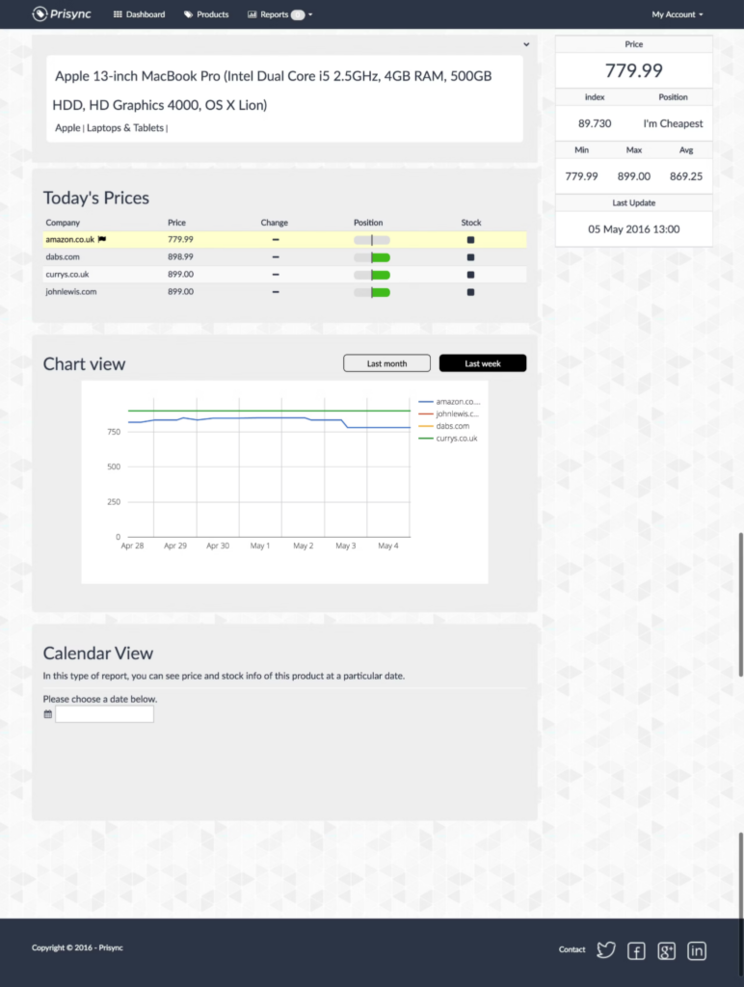
If you’re a retailer focused on competitor monitoring across many SKUs and markets, Prisync offers real-time competitor price & stock tracking combined with alerts and analytics.
Who Is Prisync Best For?
Small to mid-sized ecommerce businesses that want straightforward competitor price tracking with automated alerts and reporting.
Why I Picked Prisync
I selected Prisync because it’s built for ecommerce businesses needing simple, user-friendly competitor monitoring across multiple markets, with price alerts and stock availability tracking. It’s less heavy than some enterprise platforms, making it more accessible. The interface is intuitive, which makes it useful for teams that don’t want heavy configuration overhead.
Prisync Key Features
- Unlimited competitor monitoring: Track competitor prices and stock in real time across many SKUs.
- Custom alerts & notifications: Notify your team when competitor prices change.
- Market insights & reports beyond pricing: Get information about market conditions, not just price.
- User-friendly interface: Designed for ecommerce teams rather than pricing specialists.
Prisync Integrations
Integrations include Shopify, Adobe Commerce, WooCommerce, Gorgias, Omniconvert, ShipBob, Recart, Cartloop, PageFly, and Wishpond.
Pros and Cons
Pros:
- Customizable price alerts and notifications
- Easy to use and maintain
- Provides daily pricing updates
Cons:
- Lacks discount management feature
- Lacks integration with Zapier

Best for retailers
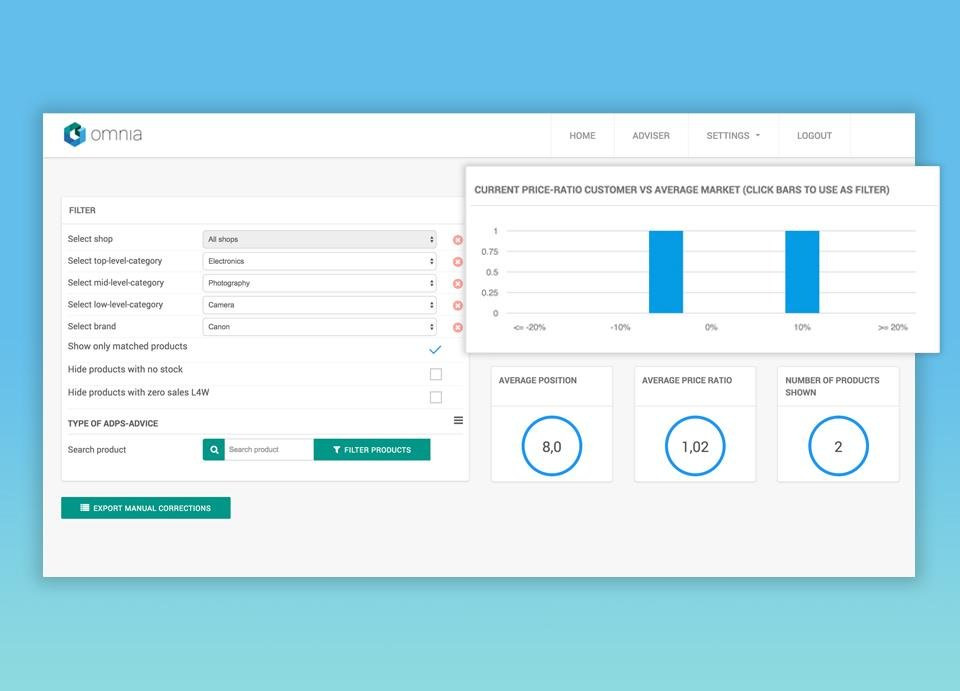
Omnia Retail gives retailers a way to automate and optimize pricing across large product catalogs. The platform is designed for omnichannel and ecommerce businesses that need to react quickly to market changes and competitor moves. Its dynamic pricing engine and rule-based automation help you maintain margin and stay competitive in fast-moving retail environments.
Who Is Omnia Retail Best For?
Retailers looking for dynamic pricing automation across online and in-store channels with a focus on competitive positioning.
Why I Picked Omnia Retail
For retailers managing thousands of SKUs, Omnia Retail offers dynamic pricing tools built specifically for the retail sector. The platform lets you set custom pricing rules that automatically adjust prices based on competitor data, stock levels, and market trends. I picked Omnia Retail because it supports omnichannel strategies, allowing you to coordinate pricing across both online and offline channels. This focus on retail-specific automation and flexibility makes it a strong fit for businesses that need to stay agile in a competitive market.
Omnia Retail Key Features
Some other features that Omnia Retail provides include:
- Price Elasticity Analysis: Measure how changes in price impact demand for each product.
- Competitor Price Monitoring: Track competitor pricing in real time across multiple channels.
- MAP Compliance Monitoring: Automatically check and report on minimum advertised price violations.
- Promotions Management: Schedule and manage promotional pricing campaigns directly within the platform.
Omnia Retail Integrations
Integrations include Google Analytics 360.
Pros and Cons
Pros:
- User-friendly interface
- Automates data collection and price calculations
- Provides detailed pricing insights
Cons:
- Limited customization
- Not ideal for small businesses

Quoter
Best for IT service providers
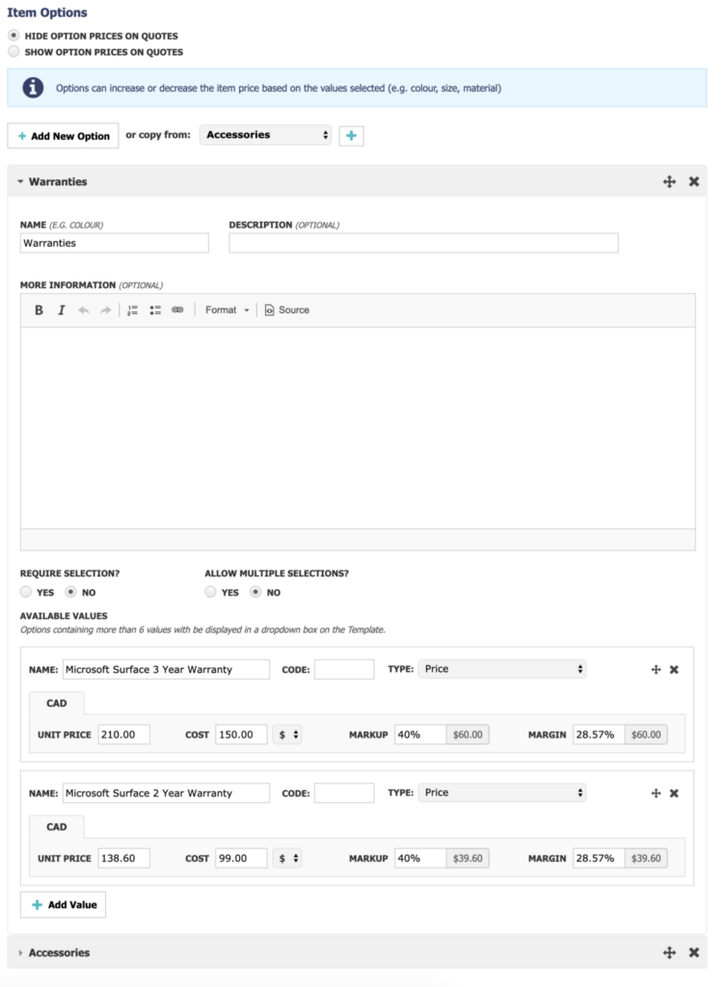
Quoter is built for IT service providers who need to create, send, and manage quotes quickly. The platform streamlines complex quoting workflows, especially for businesses handling recurring services, hardware, and software bundles. Its automation features help reduce manual entry and ensure pricing consistency across your proposals.
Who Is Quoter Best For?
IT service providers and MSPs that need proposal and quote automation tied to product catalogs and pricing workflows.
Why I Picked Quoter
What stands out about Quoter is how it addresses the quoting needs of IT service providers. The platform supports complex pricing structures, including recurring services, hardware, and software bundles, which are common in IT. I picked Quoter because it automates quote generation and approval workflows, helping teams avoid manual errors and speed up sales cycles. Its template-driven approach also ensures that quotes remain consistent and compliant with your business standards.
Quoter Key Features
Some other features that Quoter offers include:
- E-signature Collection: Capture client signatures directly within the quote for faster approvals.
- Automated Follow-ups: Send scheduled reminders to clients about pending quotes.
- Quote Revision History: Track all changes and versions of each quote for audit purposes.
- Custom Quote Branding: Add your company logo, colors, and custom fields to every quote.
Quoter Integrations
Integrations include Datto Autotask, ConnectWise, Syncro, Ingram Micro, Dicker Data, Salesforce, HubSpot, Agile CRM, Highrise CRM, and Pipedrive. You can also get additional integrations through Zapier and Webhooks.
Pros and Cons
Pros:
- Simple and modern interface
- Can handle complex pricing structures
- Customizable templates
Cons:
- Lacks advanced customizations
- Potential learning curve for new users

Best for ecommerce users
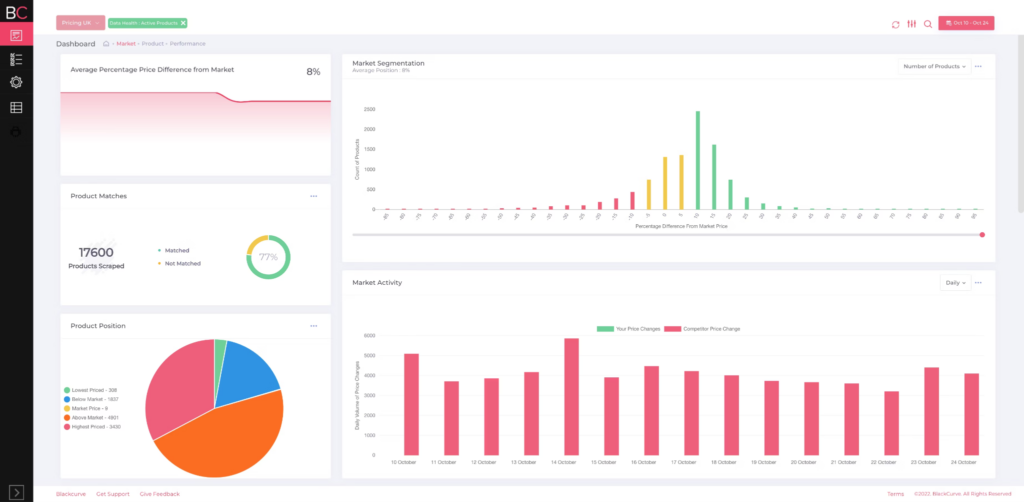
BlackCurve is designed for ecommerce businesses that want to automate and optimize their pricing decisions. The platform uses real-time competitor and market data to help online retailers adjust prices across large product catalogs. Its dynamic pricing engine is especially useful for teams managing frequent price changes and high SKU volumes.
Who Is BlackCurve Best For?
Ecommerce businesses that want data-driven pricing insights without the complexity of enterprise-level pricing suites.
Why I Picked BlackCurve
For ecommerce teams, BlackCurve stands out because it’s built to handle the fast pace and complexity of online retail pricing. The platform’s dynamic pricing engine lets you automatically adjust prices based on real-time competitor and market data, which is essential for staying competitive in ecommerce. I picked BlackCurve because it supports bulk price updates across thousands of SKUs, making it practical for businesses with large product catalogs. Its rules-based automation also helps you set pricing strategies that align with your business goals without constant manual intervention.
BlackCurve Key Features
In addition to its dynamic pricing engine and bulk update capabilities, I also found these features worth noting:
- Competitor Price Tracking: Monitor competitor prices automatically to inform your own pricing decisions.
- Price Optimization Recommendations: Receive AI-driven suggestions for optimal price points based on market trends.
- Custom Pricing Rules: Set up detailed rules to automate pricing changes according to your business logic.
- Performance Analytics Dashboard: Access visual reports that track pricing impact on sales and margins.
BlackCurve Integrations
Integrations include Dropbox Business, Salesforce Sales Cloud, Shopify, WooCommerce, Adobe Commerce, BigCommerce, PrestaShop, SAP Business One, and ChannelAdvisor.
Pros and Cons
Pros:
- Provides valuable data-driven insights
- Automation saves time and effort
- Advanced pricing optimization algorithms
Cons:
- Reliance on accurate and up-to-date data inputs
- Steep learning curve

Best for Amazon sellers
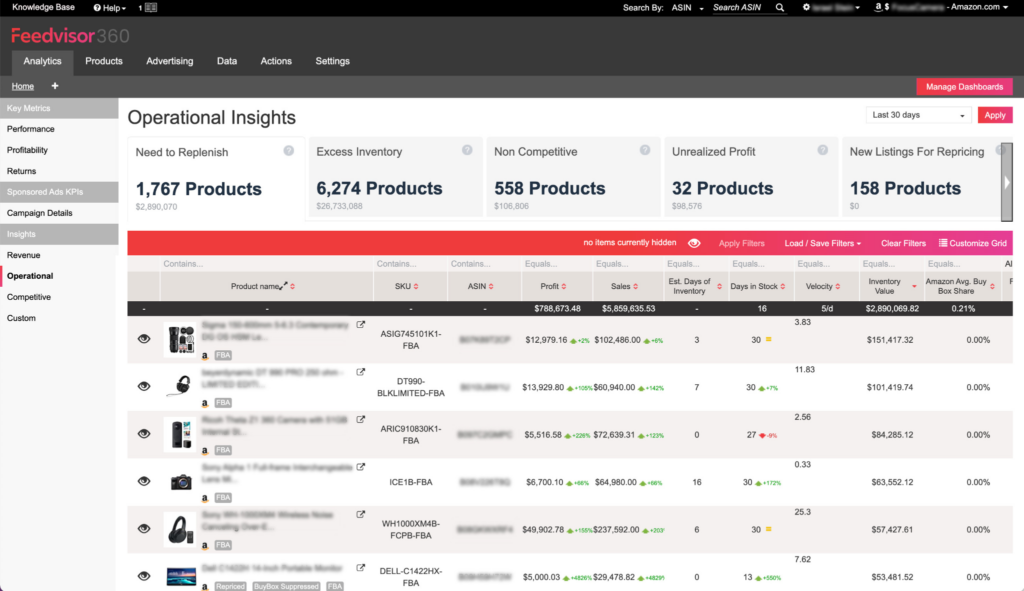
Feedvisor offers Amazon sellers an AI-driven platform for pricing, advertising, and revenue optimization. Brands and large-scale resellers use it to automate pricing decisions and manage ad spend based on real-time marketplace data. Its focus on Amazon-specific algorithms and analytics helps you maximize profit and win the Buy Box in a highly competitive environment.
Who Is Feedvisor Best For?
Amazon sellers and marketplace merchants who need algorithmic repricing and advertising optimization to maximize Buy Box wins and profitability.
Why I Picked Feedvisor
Feedvisor stands out for Amazon sellers who need advanced pricing automation tailored to the complexities of the Amazon marketplace. The platform uses AI-driven repricing algorithms that factor in real-time competitor data, Buy Box dynamics, and inventory levels. I picked Feedvisor because it also combines pricing with advertising optimization, letting you manage both strategies from a single dashboard. This focus on Amazon-specific pricing and ad management makes it a strong choice for brands and resellers aiming to maximize their marketplace performance.
Feedvisor Key Features
Some other features that Feedvisor offers include:
- Profitability Analytics: Track profit margins and costs across your entire Amazon catalog.
- Inventory Intelligence: Monitor stock levels and receive actionable insights for replenishment.
- Automated Campaign Management: Set rules and automate adjustments for Amazon ad campaigns.
- Customizable Dashboards: Build dashboards to visualize key pricing and sales metrics in real time.
Feedvisor Integrations
Integrations include Amazon, Amazon Advertising, eBay, Walmart, and eChannel Hub.
Pros and Cons
Pros:
- Provides detailed market share trajectory analysis
- Provides real-time KPI monitoring
- Helps businesses manage their Amazon marketplace presence
Cons:
- Supports limited ecommerce marketplaces
- Steep learning curve for new users


PROS Smart Price Optimization and Management is designed for large enterprises that require advanced, on-premise pricing control. It is particularly well-suited for manufacturers, distributors, and B2B organizations operating in highly regulated industries or environments with strict data governance policies. For companies that cannot rely on cloud-based pricing tools due to compliance, security, or internal IT mandates, PROS offers a way to apply AI-driven pricing strategies while maintaining full control over sensitive data.
Who is PROS Smart Price Optimization and Management Best For?
Large enterprises that require sophisticated, on-premise pricing optimization integrated into broader revenue management systems.
Why I Picked PROS Smart Price Optimization and Management
What sets PROS apart is its ability to deliver a true on-premise pricing solution for organizations with strict data governance needs. I picked PROS because it allows businesses to deploy advanced price optimization and management tools entirely within their own IT infrastructure. The platform supports AI-driven pricing models and complex rule-based pricing strategies, which are essential for industries with sensitive or highly regulated data. This makes it a strong fit for enterprises that can’t use cloud-based pricing software due to compliance or security requirements.
PROS Smart Price Optimization and Management Key Features
Some other features that make PROS Smart Price Optimization and Management stand out include:
- Scenario Modeling: Test and compare multiple pricing strategies before deployment.
- Guided Selling Tools: Provide sales teams with real-time pricing guidance during quoting.
- Approval Workflow Automation: Set up multi-level approval processes for price changes.
- Integration With ERP Systems: Connect directly to SAP, Oracle, and other major ERP platforms.
PROS Smart Price Optimization and Management Integrations
Integrations include Amadeus, Sabre, Travelport, Navitaire, Datalex, OpenJaw, OAG, ATPCO, IATA, and CellPoint Digital.
Pros and Cons
Pros:
- Suitable for enterprises
- Great risk management tool
- Provides AI-powered quoting
Cons:
- Limited customization options
- Initial setup is complex
Other Pricing Software
Here are some other pricing tools that didn’t make the list, but are worth checking out:
- Wiser Solutions
For digital shelf insights
- Pricen
For AI-driven price optimization
- Zilliant
For improving margin performance
- Vendavo
For manufacturers and distributors
- Pricefx
For price optimization and management
- Epicor CPQ
For handling complex product configurations
- tgndata
For competition data with actionable analytics
- Verenia
For NetSuite CPQ users
- Quicklizard
For proactive pricing strategies
- Trellis
For AI-based Amazon pricing
- Chetu
For competitive intelligence and real-time market data
- Conga
For custom pricing solutions
- TrackStreet
For revenue expansion
- Minderest
For analyzing market trends
- Digital Sales Platform
For real-time pricing updates


Related Pricing Software Reviews
If you still haven't found what you're looking for here, check out these tools closely related to pricing software that we've tested and evaluated.
- CRM Software
- Sales Software
- Lead Management Software
- Business Intelligence Software
- Contract Management Software
- Revenue Management System
How I Evaluate Pricing Software
When a deal desk lead needs to enforce discount guardrails or a RevOps manager needs margin visibility, I evaluate tools on two levels: core functionality first, then differentiators.
Core Functionality (Table Stakes For This List)
When I'm selecting tools for my list, I rank each one on a scale from 0 (does not offer the functionality) to 5 (excels in this area) for each core functionality listed below. Then, I calculate the tool's total score into a percentage. Each tool needs to achieve a minimum total score of 65% to be considered for inclusion.
- Price Optimization & Modeling: I look for scenario modeling that goes beyond static tables—tools where I can test how a 10% increase on a product tier would impact win rates and margin across segments.
- Price Book & Catalog Management: A well-structured catalog matters, so I evaluate how each tool handles multi-currency rate cards, version history, and effective dating across product lines.
- Discount & Approval Workflows: Sales reps will always push for deeper discounts, so I check whether the tool enforces tiered approval chains and lets deal desk leads set guardrails by deal size, region, or rep role.
- Quote & CPQ Integration: I evaluate how pricing data flows into quoting workflows—whether the tool syncs with platforms like Salesforce CPQ, DealHub, or HubSpot so reps pull approved prices without manual lookups.
- Pricing Analytics & Reporting: Dashboards should surface realized price vs. list price, discount distribution, and margin by segment—I look for tools that make this data accessible to RevOps without heavy BI configuration.
- Dynamic & Segmented Pricing: Whether your model is usage-based, tiered, or customer-specific, I evaluate how flexibly the tool deploys and updates pricing rules across channels and contract types at scale.
Once I have a list of tools that meet this criteria, I consider what sets each platform apart.
Differentiating Factors (What Sets Vendors Apart)
Here's how I compare and contrast different vendors:
Standout Features
AI deal guidance is a big differentiator—I look for tools that surface price and discount recommendations directly inside CRM during quoting, not buried in a separate dashboard. Competitive price intelligence also matters when your team reprices frequently, since automated market tracking beats manual research. I evaluate margin leakage detection closely too, because flagging off-policy discounts or underpriced renewals across your entire book of business can recover revenue that otherwise goes unnoticed.
Beyond Features
Revenue stack integrations are a top consideration—I check whether a tool connects natively to your CRM, CPQ, ERP, and billing systems, since pricing data that lives in isolation creates more problems than it solves. Implementation and time-to-value also vary widely; some vendors offer pre-built templates and pricing strategy consulting, while others require months of data ingestion before you see results. I evaluate total cost of ownership too, especially how vendor pricing scales as your SKU count or transaction volume grows.
How To Choose Pricing Software
With so many different pricing software available, it can be challenging to make decisions on what tool is going to be the best fit for your needs.
As you're shortlisting, trialing, and selecting pricing software, consider the following:
- What problem are you trying to solve - Start by identifying the pricing software feature gap you're trying to fill to clarify the features and functionality the tool needs to provide.
- Who will need to use it - To evaluate cost and requirements, consider who'll be using the software and how many licenses you'll need. You'll need to evaluate if it'll just be the revenue operation leaders or the whole organization that will require access. When that's clear, it's worth considering if you're prioritizing ease of use for all or speed for your pricing software power users.
- What other tools it needs to work with - Clarify what tools you're replacing, what tools are staying, and the tools you'll need to integrate with, such as accounting, CRM, or HR software. You'll need to decide if the tools will need to integrate together or if you can replace multiple tools with one consolidated pricing software.
- What outcomes are important - Consider the result that the software needs to deliver to be considered a success. Consider what capability you want to gain or what you want to improve, and how you will be measuring success. For example, an outcome could be the ability to get greater visibility into performance. You could compare pricing software features until you’re blue in the face but if you aren’t thinking about the outcomes you want to drive, you could be wasting a lot of valuable time.
- How it would work within your organization - Consider the software selection alongside your workflows and delivery methodology. Evaluate what's working well and the areas that are causing issues that need to be addressed. Remember every business is different — don’t assume that because a tool is popular that it'll work in your organization.
Trends In Pricing Software For 2026
Pricing can be one of the toughest nuts to crack for scaling startups—get it wrong, and you risk leaving money on the table or scaring off potential customers. The good news? Pricing software is evolving fast, giving revenue leaders like you the tools to adapt, experiment, and optimize with confidence.
1. AI-Driven Dynamic Pricing for Real-Time Adjustments
Gone are the days of static price lists. Today’s AI-powered pricing software can dynamically adjust prices based on real-time factors like demand, competitor movements, or even inventory levels. For scaling startups, this means you can pivot quickly without manually crunching numbers—ideal when you're battling competitors or entering new markets.
Why it matters for you: Real-time pricing helps maximize margins and reduce revenue leakage, even as market conditions change by the hour.
2. Personalized Pricing Models to Improve Customer Acquisition
Modern pricing tools now offer features to create hyper-personalized pricing for specific customer segments. Think custom packages or pricing tailored to industry, company size, or buyer intent.
Why it matters for you: Personalization reduces sticker shock and makes your pricing feel tailor-made, boosting conversion rates and ARR growth.
3. Revenue Optimization Through Pricing Experimentation
Pricing software increasingly incorporates A/B testing capabilities, allowing revenue leaders to test different strategies like tiered pricing or bundling without disrupting existing customer bases. These tools make it easy to pinpoint the sweet spot where conversion meets profitability.
Why it matters for you: Experimentation ensures you're not leaving money on the table and helps you uncover strategies for long-term revenue growth.
4. Integrated Competitive Intelligence for Smarter Decisions
The latest pricing platforms come with baked-in competitive intelligence features, from benchmarking tools to alerts on competitor price changes. This lets you make proactive adjustments to stay competitive while maintaining profitability.
Why it matters for you: With instant visibility into your competitive landscape, you can respond faster and with confidence—essential for staying ahead in scaling markets.
5. Subscription and Usage-Based Pricing Enablement
As subscription and usage-based models dominate SaaS, pricing software is evolving to handle complexities like seat-based pricing, consumption tiers, and overage charges. Tools now automate these workflows, ensuring accurate billing and happy customers.
Why it matters for you: These models create more predictable revenue streams and better align with your customer's needs, all while minimizing manual billing errors.
For scaling startups, pricing software is no longer just about setting the right price—it’s about driving growth and building competitive resilience. By tapping into these trends, you’ll be equipped to move fast, stay adaptable, and outmaneuver the competition.
What Is Pricing Software?
Pricing software is a tool used by businesses to analyze, set, and adjust the prices of their products or services. It incorporates data analysis, market trends, and competitive pricing information to help determine optimal pricing strategies. The software automates the process of price setting and adjustment, making it more responsive to market dynamics.
The benefits of pricing software include improved profitability through strategic pricing decisions based on market data and trends. It allows businesses to react quickly to market changes, maintain competitiveness, and optimize profit margins. The software reduces the manual effort involved in pricing analysis and helps in managing complex pricing scenarios efficiently. This leads to more effective pricing strategies, increased sales, and better financial performance.
Features of Pricing Software
When selecting pricing software, keep an eye out for the following key features:
- Dynamic pricing capabilities: This feature lets you automatically adjust prices in real time based on factors like demand, competitor pricing, and inventory levels. If you sell concert tickets or electronics, for example, you’ll appreciate having your prices update automatically when things get hot.
- Price optimization tools: With these tools, you can experiment with different pricing scenarios and models to see what works best and drives the most revenue. It’s like having a pricing laboratory without blowing up your profit margins.
- Rule-based pricing engine: Set custom rules to automate your pricing strategy—say, offering discounts on bulk orders or adjusting prices for different customer segments. You spend less time tinkering and more time focusing on your customers.
- Integration with sales and ERP systems: Plug your pricing software into your existing sales, inventory, or ERP platforms to keep everything synced. No more double data entry or crossed wires—just smoother operations all around.
- Reporting and analytics dashboard: Track how your prices are performing, spot trends, and make data-driven decisions. These dashboards provide clear visuals and detailed reports, helping you spot new opportunities (or catch things before they get bad).
- Approval workflows: Keep your pricing changes in check by requiring approvals from specific team members. This feature provides oversight so that big price shifts aren’t made accidentally—or by someone with an itchy trigger finger.
- Version control and audit trails: Go back in time to see what prices were, who approved increases, or how discounts evolved over the past quarter. This helps you stay compliant and troubleshoot faster when someone asks, “Hey, why did we drop prices last month?”
- Multi-currency support: If you sell internationally, multi-currency support ensures your pricing stays accurate and consistent in every market. No surprise conversions or missed currency fluctuations that eat into your margins.
Common Pricing Software AI Features
Beyond the standard pricing software features listed above, many of these solutions are incorporating AI with features like:
- Anomaly detection and alerting: AI spots strange pricing patterns or mistakes—like prices that are way too low or discounts applied incorrectly—so you can fix problems before they cost you real money.
- AI-driven price recommendations: This feature analyzes huge amounts of data (like purchase history and competitor prices) to recommend the sweet spot for your prices, so you don’t have to guess.
- Predictive demand forecasting: AI models look at buying patterns and market trends to predict future demand, helping you get ahead and adjust pricing or inventory before crunch time hits.
- Automated competitor price monitoring: AI constantly scans your competitors’ pricing and automatically flags or adjusts your prices to stay competitive, keeping you in the race without constant monitoring.
- Customer segmentation with machine learning: AI analyzes purchasing behaviors to automatically segment your customers into meaningful groups, so you can offer targeted pricing or discounts and boost conversions.
Benefits Of Pricing Software
By automating and optimizing pricing decisions, this software can significantly impact a company's bottom line and operational efficiency. Here are five primary benefits that pricing software offers to users and organizations:
- Enhanced Pricing Strategy: Enables data-driven pricing decisions. Pricing software provides analytics and insights that help businesses set prices optimally, improving profit margins and market competitiveness.
- Increased Operational Efficiency: Automates routine pricing tasks. By reducing the manual effort required for price analysis and adjustments, pricing software allows teams to focus on strategic activities, thus enhancing productivity.
- Improved Revenue Growth: Identifies pricing opportunities and gaps. Through advanced analytics, pricing software can uncover underperforming segments and opportunities for price optimization, driving revenue growth.
- Market Responsiveness: Facilitates quick adjustments to market changes. Pricing software enables organizations to rapidly respond to market dynamics, competitor moves, and cost fluctuations, maintaining market relevance and competitiveness.
- Strategic Decision Support: Offers actionable insights for executive decisions. By providing a comprehensive view of pricing performance and market trends, pricing software supports strategic decision-making processes, aligning pricing strategies with business objectives.
Costs & Pricing For Pricing Software
When exploring pricing software options, it's crucial for software buyers to understand the various plan structures and pricing tiers available. These plans are designed to cater to different sizes and types of businesses, from small startups to large enterprises, ensuring that organizations can find a solution that fits their specific needs and budget constraints. Below is a breakdown of typical plan options and their average pricing, along with common features included in each plan:
Plan Comparison Table For Pricing Software
| Plan Type | Average Price | Common Features Included | Best For |
|---|---|---|---|
| Basic | $10 - $50/month | Access to core pricing tools, basic analytics, limited user accounts, email support | Small Businesses, Startups |
| Professional | $50 - $200/month | Enhanced analytics, more user accounts, integration capabilities, priority email support | Growing Businesses, Mid-Sized Teams |
| Enterprise | $200 - $1000+/month | Advanced analytics, unlimited user accounts, API access, dedicated support, custom integration | Large Businesses, Complex Pricing Needs |
| Free | $0 | Access to a limited set of features, basic analytics, community support | Trial Users, Limited Needs Businesses |
When choosing a pricing plan, buyers should consider not only the monthly or annual cost but also the value each plan offers in relation to their specific business needs. Factors such as the size of the organization, the complexity of its pricing strategies, and the level of support required should all play a role in this decision. It's also important for buyers to assess the scalability of the software, ensuring it can grow alongside their business. Selecting the right plan is about finding the best balance between cost, features, and the potential return on investment.
Pricing Software Frequently Asked Questions
Below are the answers to some questions I get asked most often about pricing software:
How can pricing software improve my business’s revenue and profitability?
Pricing software can make a significant difference in how you optimize revenue. At its core, it helps you move away from guesswork or static pricing models by using data-driven insights to set the right prices. Here’s how it works:
- Revenue Boost: It analyzes market trends, competitor pricing, and customer data to ensure your prices are competitive without leaving money on the table. It helps you find that sweet spot where you maximize both sales and margins.
- Margin Optimization: By understanding where you can raise prices without affecting demand, or where discounting makes sense, it directly improves your profitability.
- Pricing Strategy: Many tools allow for dynamic pricing—meaning you can adjust your pricing in real time based on supply, demand, or other market factors, keeping you agile and maximizing profit.
In short, it makes pricing smarter, more adaptable, and aligned with your revenue goals.
What are the key features to look for in pricing software, including AI and machine learning capabilities?
When choosing pricing software, there are some must-have features that ensure it meets your needs, especially as your business scales:
- AI & Machine Learning: These features allow the software to analyze vast amounts of data and automatically suggest price changes based on patterns in customer behavior, sales trends, and competitor moves. AI-powered tools take into account factors that human analysis might miss.
- Real-Time Analytics: The software should give you insights into how different pricing strategies affect revenue and margins, ideally in real time. This helps you pivot quickly if needed.
- Customization: Look for software that supports different pricing models like subscription-based, usage-based, or tiered pricing. Flexibility is key, especially if you’re expanding product lines or markets.
- Scenario Planning: Some tools allow you to model different pricing strategies before implementing them, so you can see potential outcomes without the risk.
- Integrations: The software should integrate seamlessly with your CRM, ERP, or other sales tools to ensure smooth operations across teams.
How does pricing software integrate with CRM, ERP, and other business systems?
Integration is a big deal because, let’s face it, pricing doesn’t happen in a vacuum. Your sales, marketing, finance, and ops teams all rely on accurate, up-to-date pricing data. Here’s what to look for:
- CRM Integration: This ensures that your sales team always has access to the latest pricing when interacting with customers, helping them close deals faster and more efficiently.
- ERP Integration: Pricing software should link with your ERP to make sure your billing, invoicing, and financial reporting reflect the correct prices in real time. This helps avoid mistakes that can cost you revenue or customer trust.
- API Access: Look for platforms that offer strong API support, making it easier to customize integrations with other key business systems you may already use.
Smooth integration means your pricing remains consistent across all departments, reducing the risk of errors and ensuring that everyone operates from the same playbook.
What are the different pricing models supported, such as dynamic or subscription-based pricing?
Pricing software these days is super flexible, which is crucial if you’re selling a variety of products or services. Here are some common pricing models it can support:
- Dynamic Pricing: This allows prices to change in real time based on factors like demand, competitor pricing, or inventory levels. It’s useful for industries like e-commerce or travel where market conditions fluctuate frequently.
- Subscription-Based Pricing: If you’re running a SaaS business or offering services on a recurring basis, pricing software can manage tiered plans, usage-based models, or flat subscriptions, ensuring consistency and profitability.
- Cost-Plus Pricing: For manufacturers or B2B businesses, pricing software can automate cost-plus pricing by factoring in production costs and desired margins, ensuring that you’re always covering your costs while maintaining profitability.
- Geographic Pricing: If you’re selling in different regions or countries, many tools can adjust pricing based on local economic conditions, tax regulations, or consumer behavior.
This flexibility is key to supporting various business models as you grow.
What is the ROI of investing in pricing software, and how soon can I see results?
The ROI of pricing software can be pretty significant, but it depends on how complex your pricing challenges are and how actively you use the tool. Here’s a breakdown:
- Revenue Growth: By optimizing your pricing strategy, many companies see a quick lift in revenue. Some tools can start showing improvements in just a few months by helping you price more effectively and reduce discounting.
- Margin Improvement: If you’re in a margin-sensitive business, the ability to tweak prices without losing customers can have an immediate effect on your bottom line. Many users report seeing an increase in profitability within the first 6-12 months.
- Operational Efficiency: Pricing software also saves time for your team by automating pricing updates, improving accuracy, and reducing the manual labor involved in pricing decisions. This allows teams to focus on more strategic work.
The key is to choose a solution that aligns well with your business goals and integrates seamlessly into your current processes. That way, you’ll start seeing results sooner rather than later.
Additional Revenue Operations Software
Here are some other tools that will improve your workflow:
Conclusion
In the face of economic uncertainty, the importance of optimizing pricing strategies to maximize product margins cannot be overstated. With efficient and sustainable growth becoming a priority for investors and business owners, leveraging pricing tools has become crucial.
According to McKinsey's research team, 44% of high-growth companies already utilize pricing tools to iterate and refine their pricing strategies. Failing to invest in these tools means missing out on the opportunity to predict pricing outcomes and effectively address customer needs.
Additionally, if you’d like to learn more about revenue optimization, then subscribe to our newsletter.