

10 Migliori Software CRM Immobiliare Recensiti per il 2026

10 Migliori software CRM per il settore immobiliare: la shortlist


Con così tante soluzioni di software CRM per il settore immobiliare disponibili, capire quale sia quella giusta per te può essere complicato. Sai di voler gestire le relazioni con i clienti e ottimizzare i processi di vendita e marketing, ma hai bisogno di capire quale strumento sia il migliore. Ti aiuto io! In questo articolo ti aiuterò a scegliere facilmente, condividendo le mie esperienze personali con decine di diversi software CRM immobiliari testati con vari team e clienti, e presentandoti le mie scelte dei migliori software CRM per il settore immobiliare.
Perché fidarsi dei nostri consigli sui software
Le nostre recensioni riflettono il nostro giudizio indipendente, non un discorso di vendita. Scopri come manteniamo la trasparenza.
Per questa guida, abbiamo valutato gli strumenti attraverso test pratici e ricerche indipendenti, assegnando un punteggio agli strumenti in base ai nostri criteri di selezione.
Le nostre recensioni riflettono il nostro giudizio editoriale umano, non un discorso di vendita.
Riepilogo dei migliori software CRM per il settore immobiliare
| Tool | Best For | Trial Info | Price | ||
|---|---|---|---|---|---|
| 1 | Ideale per flussi di lavoro personalizzabili | Prova gratuita disponibile | Da $12/utente/mese (fatturato annualmente) | Website | |
| 2 | Ideale per la gestione unificata dei dati dei clienti | Prova gratuita di 30 giorni + demo gratuita disponibile | Da $25/utente/mese (fatturato mensilmente o annualmente) | Website | |
| 3 | Ideale per gli investitori immobiliari | Prova gratuita disponibile | Da $99/mese (fatturato annualmente) | Website | |
| 4 | Ideale per l'automazione senza codice | Demo gratuita disponibile | Da $40/mese (5 utenti) | Website | |
| 5 | Miglior CRM per facilità d’uso | Prova gratuita di 14 giorni + piano gratuito disponibile | Da $18/utente/mese (fatturazione annuale) | Website | |
| 6 | Ideale per l'automazione della forza vendita | Prova gratuita di 15 giorni + piano gratuito disponibile | A partire da $14/utente/mese (fatturato annualmente) | Website | |
| 7 | Ideale per le piccole aziende immobiliari | Prova gratuita di 14 giorni disponibile | Da $119/mese | Website | |
| 8 | Ideale per costruire un sito web personalizzato | Demo gratuita disponibile | Prezzo su richiesta | Website | |
| 9 | Il miglior software immobiliare tutto-in-uno | Demo gratuita disponibile | Prezzi su richiesta | Website | |
| 10 | Ideale per la collaborazione nei team immobiliari | Prova gratuita di 14 giorni disponibile | Da $69/utente/mese | Website |


Recensioni dei migliori software CRM per il settore immobiliare
Questa sezione fornisce una descrizione di ogni software CRM immobiliare, i migliori casi d’uso, eventuali funzionalità rilevanti, e i pro e contro. Viene inclusa anche una schermata del prodotto per ciascuna piattaforma, per darti un’idea dell’interfaccia.
Ideale per flussi di lavoro personalizzabili
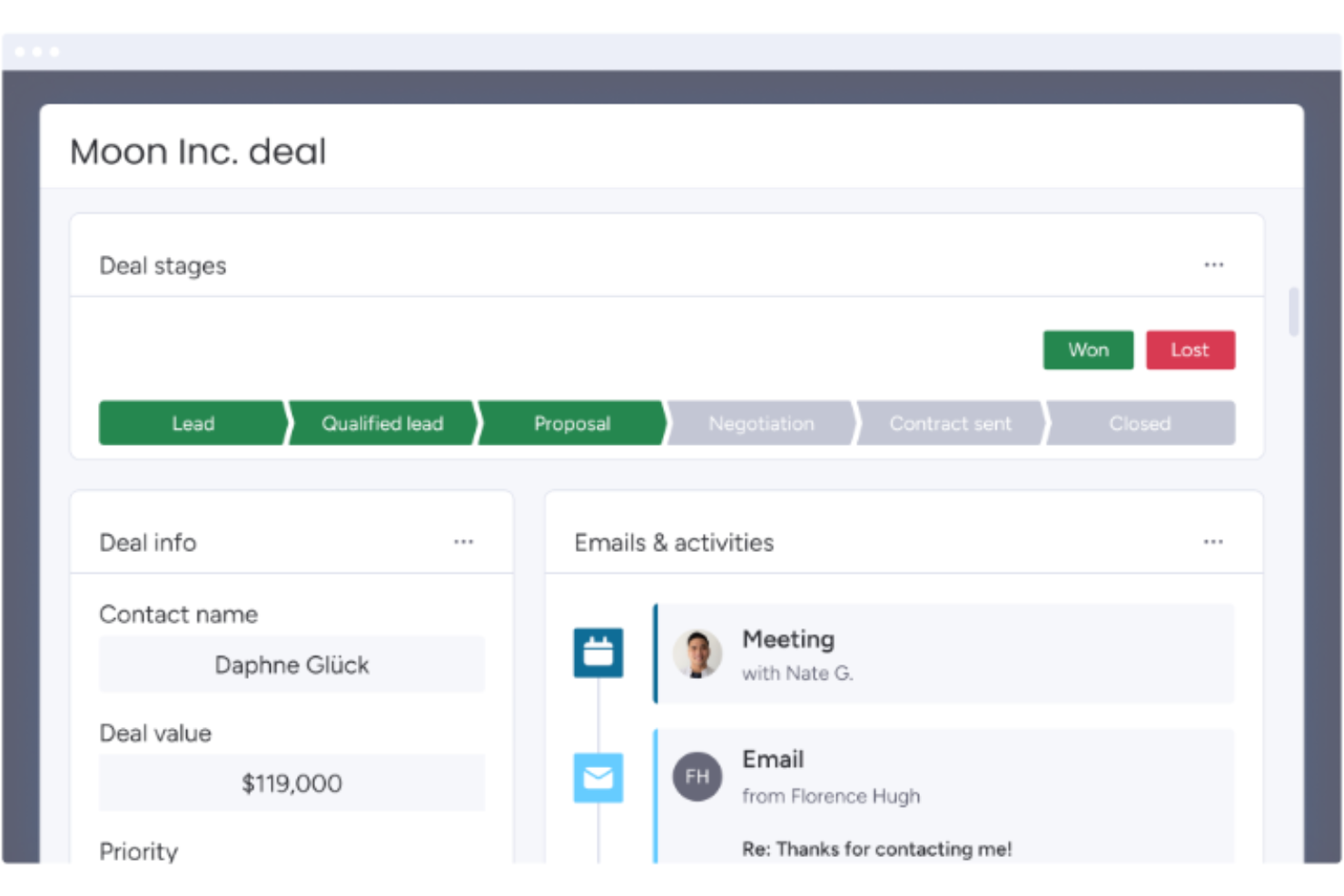
Monday Sales CRM è una piattaforma digitale che offre una suite di strumenti per la gestione delle relazioni con i clienti e delle attività di vendita.
Perché ho scelto Monday Sales CRM: Monday Sales CRM fornisce ai professionisti immobiliari una piattaforma per gestire le interazioni con i clienti, gli annunci immobiliari e i processi di vendita. Permette di centralizzare le informazioni sui clienti, rendendole accessibili agli agenti per tracciare la cronologia delle comunicazioni, gli appuntamenti e le preferenze sugli immobili. Le funzionalità del CRM supportano anche la gestione dei lead, consentendo agli agenti di acquisire e coltivare i lead attraverso le varie fasi fino alla chiusura.
Inoltre, i flussi di lavoro e le dashboard personalizzabili aiutano i team immobiliari a visualizzare il proprio funnel di vendita e a tenere traccia dell'avanzamento delle trattative. Ad esempio, le capacità di automazione dello strumento possono ridurre le attività manuali, come i promemoria per i follow-up e l'assegnazione dei compiti. Questo può essere particolarmente vantaggioso nel frenetico mercato immobiliare.
Caratteristiche e integrazioni principali di Monday Sales CRM
Caratteristiche includono sincronizzazione e tracciamento delle email, monitoraggio delle prestazioni, gestione delle attività, dashboard personalizzabili, email di massa e redazione delle email con assistente AI.
Integrazioni includono Outlook, Slack, Google Drive e Trello.
Pros and Cons
Pros:
- Configurazione rapida e semplice
- Include modelli consigliati in base alle preferenze dell'utente
- Piattaforma altamente personalizzabile
Cons:
- Occasionali problemi su grandi bacheche
- Alcune funzionalità sono disponibili solo per gli utenti Enterprise
New Product Updates from monday CRM

monday CRM Adds Meta Conversions API Integration
monday CRM now lets you connect Meta Conversions API and sync lead status back to Meta, improving targeting and conversions via a new Meta integration automation recipe. For more information, visit monday CRM's official site.

Ideale per la gestione unificata dei dati dei clienti

Salesforce CRM è una piattaforma completa che unisce marketing, vendite e servizi in un'unica soluzione per gestire in modo unificato i dati dei clienti. Viene utilizzata in una vasta gamma di settori, incluso quello immobiliare.
Perché ho scelto Salesforce CRM: Come software CRM per il settore immobiliare, Salesforce CRM offre una visione a 360 gradi dei clienti, permettendoti di tracciare tutte le interazioni, preferenze e dati storici relativi ai tuoi potenziali clienti. Inoltre, Salesforce CRM è altamente personalizzabile grazie a numerose app disponibili, così puoi adattare la piattaforma alle tue esigenze specifiche, che tu operi nel residenziale, commerciale o nella gestione immobiliare.
Il software automatizza anche operazioni di routine come i follow-up, la pianificazione degli appuntamenti e l'aggiornamento delle inserzioni. Questa automazione fa risparmiare tempo e riduce il rischio di errori umani, permettendoti di concentrarti su attività a maggior valore aggiunto come la chiusura delle trattative e la costruzione di relazioni.
Caratteristiche e integrazioni distintive di Salesforce CRM
Le funzionalità comprendono gestione delle attività, gestione dei lead, previsione delle vendite, gestione della pipeline, report e dashboard, automazione dei processi, preventivi e approvazioni di contratti, automazione e altro ancora.
Le integrazioni includono Dropbox, Yesware, Quickbooks, Mailchimp, ClearSlide, Five9, GoToMeeting, QlikView, Expensify, SurveyMonkey, Smartsheet, Gmail e molte altre.
Pros and Cons
Pros:
- Altamente personalizzabile
- Progettato per la scalabilità
- Varietà di app specifiche per le esigenze immobiliari
Cons:
- Potrebbe risultare complesso per i nuovi utenti
- La scelta degli strumenti giusti da implementare può richiedere tempo
New Product Updates from Salesforce CRM

Salesforce CRM Adds Automated CMS Access Expiration
Salesforce CRM adds automated access expiration and a new view-only support role for Point of Sale CMS users. These controls reduce manual access cleanup and help teams limit unnecessary permissions. For more information, visit Salesforce CRM’s official site.
 .
.
REsimpli
Ideale per gli investitori immobiliari
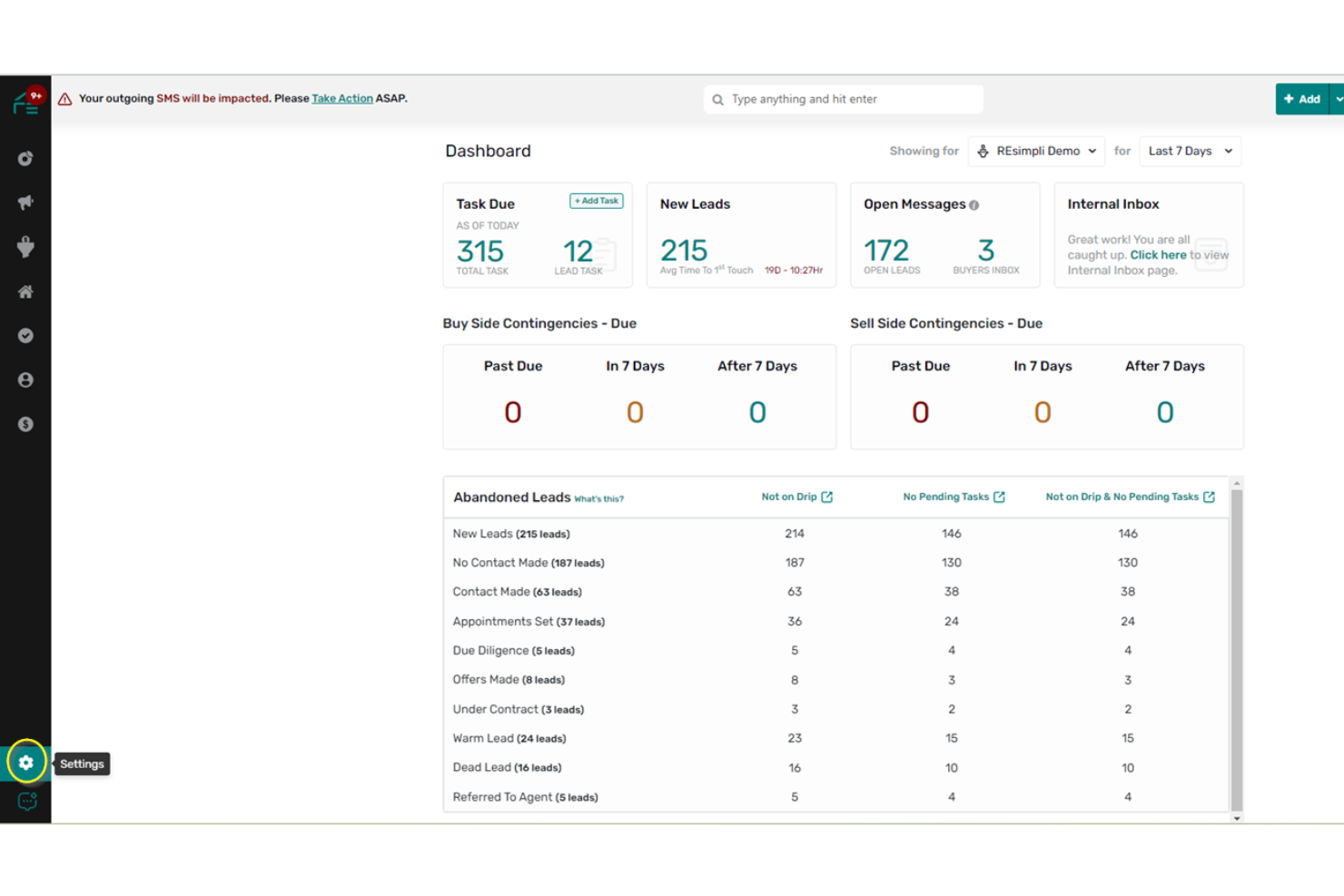
REsimpli è un sistema tutto-in-uno realizzato per gli investitori immobiliari. Unifica diverse funzionalità della tua attività in un'unica piattaforma, consentendo di delegare il lavoro e ottimizzare la gestione.
Perché ho scelto REsimpli : Progettato per gli investitori immobiliari, REsimpli si concentra sulla semplificazione dei processi associati alle loro specifiche funzioni aziendali. Il suo sistema guidato dai dati consente di comprendere i canali di marketing a livello di campagna, così da poter rafforzare le strategie che funzionano e apportare modifiche laddove necessario. Puoi inoltre impostare campagne drip che inviano automaticamente cartoline, SMS, email e messaggi vocali senza squillo (RVM) ai tuoi lead, oltre a creare promemoria di attività per i membri del tuo team.
Inoltre, la dashboard KPI offre metriche dettagliate sulle prestazioni dei tuoi canali di marketing. Con la funzione di List Stacking, puoi creare elenchi di venditori motivati e pianificare campagne di marketing mirate. REsimpli offre anche una funzione di intelligenza artificiale che può riassumere conversazioni della durata di un’ora con i tuoi lead, con passaggi operativi da intraprendere.
Funzionalità e integrazioni distintive di REsimpli
Funzionalità includono list stacking, una dashboard KPI, gestione delle attività, automazione drip, skip tracing, Driving For Dollars, un sistema contabile completo, dialer e risposta in-app, riepilogo AI, siti web per acquirenti e venditori ottimizzati SEO gratuiti, gestione dei lead e altro ancora.
Le integrazioni includono BatchLeads, Unbounce, Email Parser, MojoCRM, Gravity Forms, Google Sheets, Facebook Lead Ads, Call Tools PCC, Zapier e altro.
Pros and Cons
Pros:
- Aiuta a sostituire l’uso di più applicazioni di terze parti
- Scalabile per aziende di qualsiasi dimensione
- Soluzione tutto-in-uno per tutte le esigenze immobiliari
Cons:
- Potenziale necessità di upgrade per funzionalità aggiuntive
- Nessuna opzione di cancellazione self-service; è necessario contattare l’assistenza
Ideale per l'automazione senza codice
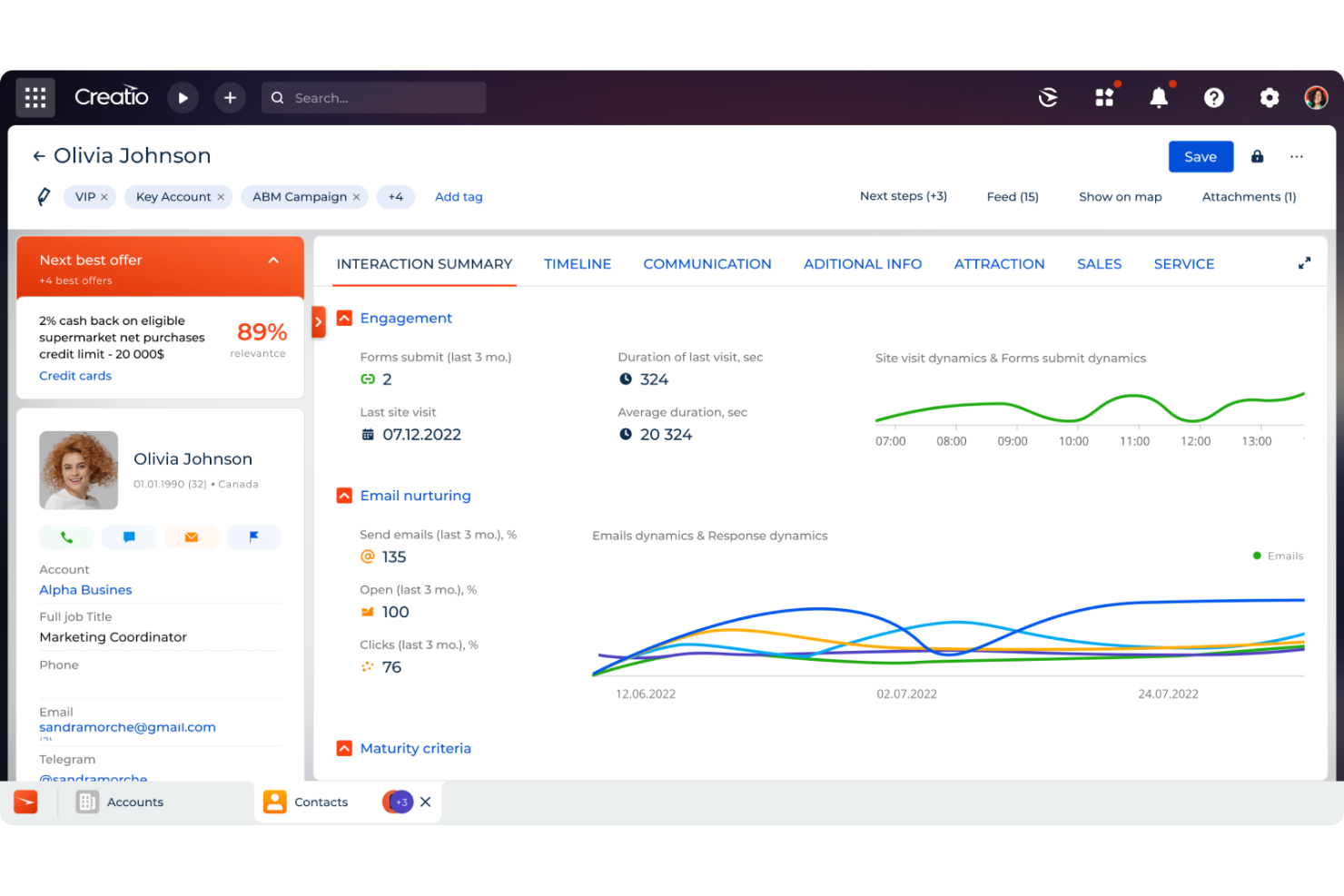
CRM Creatio è una piattaforma no-code progettata per automatizzare i processi di marketing, vendita e assistenza. Offre una soluzione unificata per gestire le interazioni con i clienti e i flussi di lavoro aziendali. Questa flessibilità consente di adattare il sistema alle proprie esigenze specifiche senza una vasta competenza tecnica.
Perché ho scelto CRM Creatio: Per i professionisti del settore immobiliare, CRM Creatio offre strumenti per gestire l’intero percorso del cliente, dalle prime richieste alla chiusura delle trattative. Il suo sistema di gestione dei lead cattura e organizza i potenziali clienti, garantendo un seguito tempestivo e comunicazioni personalizzate. La piattaforma è inoltre altamente personalizzabile grazie all’interfaccia no-code, permettendo di automatizzare i flussi di lavoro e altri processi.
Inoltre, le funzionalità di gestione documentale di CRM Creatio semplificano la gestione di contratti e accordi. Centralizzando questi documenti, è possibile accedervi e condividerli in modo sicuro, riducendo le attività amministrative. La piattaforma offre anche strumenti di analisi per monitorare le performance di vendita e l’engagement dei clienti.
Caratteristiche e integrazioni di rilievo di CRM Creatio
Funzionalità includono gestione dei contatti, monitoraggio delle opportunità di vendita, automazione dei flussi di lavoro, gestione delle attività, gestione di transazioni e contratti, monitoraggio dei referral, strumenti di intelligenza artificiale, accesso mobile, opzioni di personalizzazione, analisi e reportistica, gestione degli annunci immobiliari e cronologia delle comunicazioni con i clienti.
Integrazioni includono Accelo, Act!, ActiveCampaign, Acumatica, Adobe Analytics, Asana, Microsoft Exchange, Excel, Mailchimp, HubSpot Marketing Hub, Google Calendar e Tableau.
Pros and Cons
Pros:
- Supporta aziende in crescita
- Piattaforma senza codice
- Ampie opzioni di personalizzazione
Cons:
- La migrazione dei dati può essere complessa
- La personalizzazione può richiedere tempo

Capsule
Miglior CRM per facilità d’uso

Capsule CRM offre un approccio semplificato al CRM che mette in risalto la facilità d’uso, la personalizzazione e l’integrazione con altri strumenti. Progettato per piccole e medie imprese, fornisce le funzionalità CRM essenziali senza travolgere gli utenti con la complessità. Capsule CRM si concentra nell’aiutare le aziende a tenere traccia dei propri contatti, lead e opportunità di vendita in modo organizzato. Offre inoltre funzionalità di gestione dei progetti, consentendo ai team di collaborare sulle attività e gestire le interazioni con i clienti in modo fluido.
Perché ho scelto Capsule CRM: Come software CRM immobiliare, Capsule CRM eccelle nella gestione dei rapporti con i clienti e nel monitoraggio delle trattative grazie alla sua interfaccia intuitiva e ai pipeline personalizzabili. I suoi punti di forza risiedono nella semplicità, che rende semplice per i professionisti del settore immobiliare acquisire lead, organizzare contatti e seguire le opportunità. Capsule CRM consente ai professionisti immobiliari di adattare il proprio pipeline di vendita per riflettere le fasi specifiche dei processi di vendita e locazione, offrendo una visione chiara dell’avanzamento delle trattative.
A differenza di molte piattaforme CRM focalizzate esclusivamente sulla gestione delle relazioni, Capsule CRM integra strumenti di gestione dei progetti all’interno del sistema. Questa integrazione permette agli utenti di gestire pipeline di vendita e progetti per i clienti in un unico luogo, facilitando una collaborazione e un’efficienza migliori. Questa funzione è particolarmente vantaggiosa per le aziende che gestiscono più progetti o transazioni clientelari in contemporanea.
Funzionalità e integrazioni distintive di Capsule CRM
Le funzionalità includono gestione dei contatti, pipeline di vendita, gestione di attività e progetti, opzioni di personalizzazione, capacità di integrazione, interfaccia intuitiva, accesso mobile, strumenti di reportistica, funzionalità di collaborazione nel team, controlli di sicurezza e privacy.
Le integrazioni comprendono Google Workspace (Gmail, Docs, Calendar), Microsoft Office 365, Mailchimp, Xero, QuickBooks, Slack, FreshBooks e altro ancora tramite Zapier.
Pros and Cons
Pros:
- Intuitivo e facile da usare
- Gestione delle attività del calendario integrata
- Invio e ricezione di email direttamente in Capsule CRM
Cons:
- Non si possono trascinare e rilasciare etichette o campi dei dati
- Si auspicano ulteriori integrazioni per il marketing digitale
New Product Updates from Capsule

Capsule Adds AI Meeting Prep for External Calls
Capsule introduced AI Meeting Prep with relationship summaries, color-coded signals, and CRM context for upcoming external calls. This helps users review key contact details and prepare for meetings without searching through records manually. For more information, visit Capsule’s official site.
 .
.
Zoho CRM
Ideale per l'automazione della forza vendita

Zoho CRM è uno strumento versatile progettato per migliorare la gestione delle relazioni con i clienti da parte delle aziende. Con una varietà di funzionalità, si adatta a diversi settori, incluso quello immobiliare, fornendo tutti gli strumenti necessari per ottimizzare le interazioni con i clienti e le operazioni aziendali.
Perché ho scelto Zoho CRM: Ho scelto Zoho CRM come soluzione di riferimento per il software CRM immobiliare grazie alle sue funzionalità di automazione della forza vendita. Aiuta a gestire i processi di vendita, monitorare i lead e mantenere una pipeline solida. È possibile personalizzare i flussi di lavoro per assicurarsi che le operazioni immobiliari siano ottimizzate per migliori prestazioni. Le capacità di intelligenza artificiale offrono informazioni per prevedere il comportamento dei clienti e prendere decisioni informate.
Un altro motivo per cui ho scelto Zoho CRM è la sua funzionalità di gestione dei lead, fondamentale nel settore immobiliare. Consente di acquisire contatti da diverse fonti e seguirli tramite comunicazioni personalizzate, assicurando che nessun potenziale cliente venga trascurato. Le opzioni di personalizzazione permettono di adattare il CRM alle proprie esigenze specifiche, rendendolo una scelta flessibile per i professionisti del real estate.
Funzionalità e integrazioni salienti di Zoho CRM
Le funzionalità includono capacità di intelligenza artificiale che migliorano il coinvolgimento dei clienti prevedendo le tendenze di vendita e le esigenze degli utenti. Gli strumenti di business intelligence della piattaforma forniscono analisi e report approfonditi, aiutando a prendere decisioni basate sui dati. Inoltre, Zoho CRM offre una avanzata automazione dei flussi di lavoro, consentendo di impostare processi aziendali complessi con facilità.
Le integrazioni includono Microsoft Office 365, G Suite, Slack, Mailchimp, QuickBooks, Shopify, LinkedIn, Google Analytics, Twilio, Zoho Campaigns, DocuSign e PayPal.
Pros and Cons
Pros:
- App mobile per migliorare la comunicazione con i clienti
- Zia (AI) aiuta a individuare i potenziali clienti che il tuo team può convertire
- Ottimo per team ibridi e da remoto
Cons:
- Funzionalità avanzate disponibili solo nei piani top di gamma
- Costoso rispetto ad altri strumenti
New Product Updates from Zoho CRM

Zoho CRM Adds Reusable Canvas Templates for Forms
Zoho CRM now supports Canvas templates in the Forms view, so you can design a form layout once and reuse it across records for a consistent, faster experience. For more information, visit Zoho CRM's official site.
 .
.
Ideale per le piccole aziende immobiliari
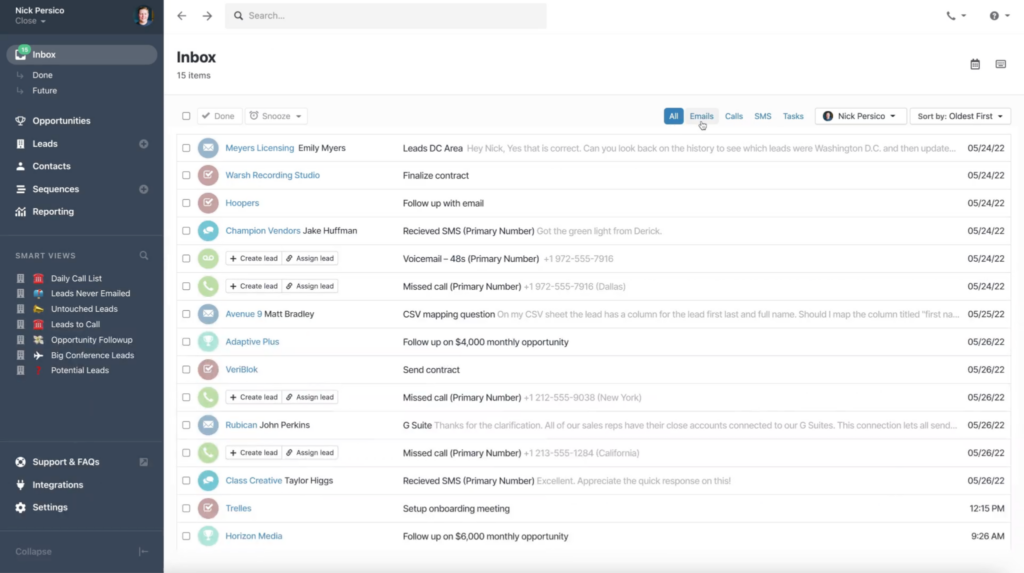
Close CRM gestisce la gestione dei contatti, le chiamate, le comunicazioni email, la gestione delle trattative e i report.
Perché ho scelto Close CRM: All'apertura del software, si accede a una casella di posta centralizzata che mostra le attività imminenti, le chiamate, le email e i messaggi di testo, aiutando a dare priorità alla propria giornata lavorativa. Dal database dei contatti, è possibile cercare e filtrare i contatti per creare liste per l'outreach e la coltivazione dei lead. L'outreach può essere effettuato tramite sequenze di email o chiamate telefoniche automatiche.
Progettato per piccole aziende in diversi settori, questo software è adatto tanto per chi ristruttura immobili o fotografi immobiliari quanto per i broker e i gestori di proprietà più tradizionali. Gli utenti possono monitorare le trattative attraverso la pipeline di vendita e personalizzare le attività sui lead in base alle proprie esigenze aziendali. Il modulo di reportistica del software fornisce previsioni e approfondimenti predittivi oltre a report KPI personalizzabili.
Caratteristiche e integrazioni principali di Close CRM
Le funzionalità includono attività e promemoria, opzioni avanzate di filtraggio, creazione di liste, sequenze di email, compositore automatico di chiamate, pipeline di vendita, attività personalizzate, importazione dati, approfondimenti predittivi e report di analisi.
Le integrazioni includono ActionDesk, Alice, Enthu, Fathom Video, Geckoboard, Gmail, Google Calendar, Intersect, Kennected, Leadinfo, Magic Sales Bot, Reply, SavvyCal, Segment e Zoom. Altre integrazioni sono configurate con Zapier, incluso in tutti i piani.
Pros and Cons
Pros:
- Integrazione Zapier inclusa in tutti i piani
- Centro assistenza self-service con manuale utente completo
- Migrazione gratuita da CRM o database esistenti
Cons:
- Limitato a 3-5 utenti, utenti aggiuntivi prevedono un costo
- Mancano alcune funzionalità specifiche per il settore immobiliare

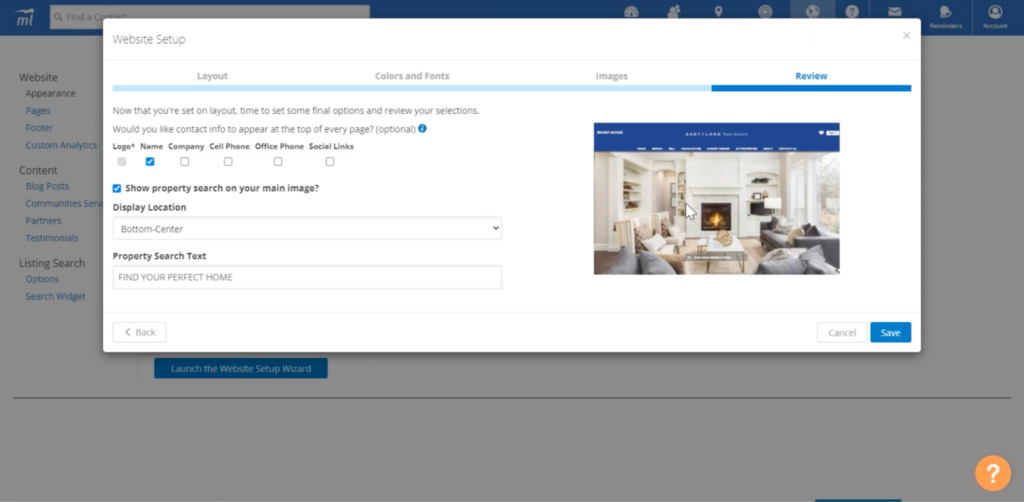
Market Leader offre un CRM, acquisizione di contatti, siti web personalizzabili e strumenti di automazione del marketing per le aziende immobiliari.
Perché ho scelto Market Leader: Questo software non solo archivia i dati dei tuoi contatti, ma fornisce anche nuovi potenziali clienti per la tua attività tramite la cattura di lead HouseValues e Leads Direct con pubblicità pay-per-click. Gli agenti possono gestire le attività quotidiane, i follow-up e le trattative tramite l'app mobile, e automatizzare campagne di marketing multicanale con comunicazioni stampate, email e telefoniche. Il software include anche strumenti per la gestione dei social media e della libreria di contenuti.
Gli agenti immobiliari possono creare siti web personalizzati con l'interfaccia drag-and-drop del software e diverse opzioni di layout. È disponibile una raccolta di widget per aggiungere un tocco personale al proprio sito web e distinguersi dalla concorrenza. Tutti i siti sono responsivi e offrono funzionalità di acquisizione dei lead.
Caratteristiche e integrazioni di spicco di Market Leader
Caratteristiche includono acquisizione di contatti, pubblicità pay-per-click, campagne di marketing multicanale, gestione dei social media, costruttore di siti web, gestione dei contenuti e un'app mobile.
Informazioni sulle integrazioni attualmente non disponibili.
Pros and Cons
Pros:
- Webinar e guide di formazione self-service disponibili
- Gestisci sito web, lead e marketing in un unico posto
- Interfaccia utente amichevole e facile da navigare
Cons:
- Può essere necessario tempo per iniziare a utilizzarlo
- La qualità dei lead provenienti dai canali di acquisizione può variare


CINC è un software immobiliare che offre generazione di lead, gestione del team, hosting del sito web e strumenti di marketing e pubblicità.
Perché ho scelto CINC: Questo fornitore di software mette a disposizione un team interno per gestire le attività pubblicitarie, supportando la generazione di lead tramite ricerche, social media e pubblicità display. L’instradamento automatico dei lead e il monitoraggio delle attività aiutano i team a seguire le prestazioni di ogni membro. Sulla piattaforma è disponibile anche un costruttore di siti web IDX con layout personalizzabili e campagne automatizzate via email e SMS che aiutano a fare follow-up e restare sempre a mente.
I team che desiderano consolidare le proprie operazioni in un’unica piattaforma possono beneficiare della funzionalità all-in-one del software. Invece di collegare un CRM agli altri strumenti SaaS e passare da un'app all'altra, puoi riunire tutto.
Caratteristiche e integrazioni di spicco di CINC
Le funzionalità includono generazione di lead, gestione annunci, costruttore di siti web, landing page, instradamento dei lead, app mobile, messaggistica di massa, campagne email e SMS, e importazione dati.
Le integrazioni possono essere configurate con un account Zapier.
Pros and Cons
Pros:
- Gestione annunci pubblicitari esternalizzata inclusa
- Ampia base di conoscenza e video di formazione
- Assistenza clienti dedicata
Cons:
- Chatbot AI e dialer hanno un costo aggiuntivo
- Strumenti limitati di reportistica e analisi.

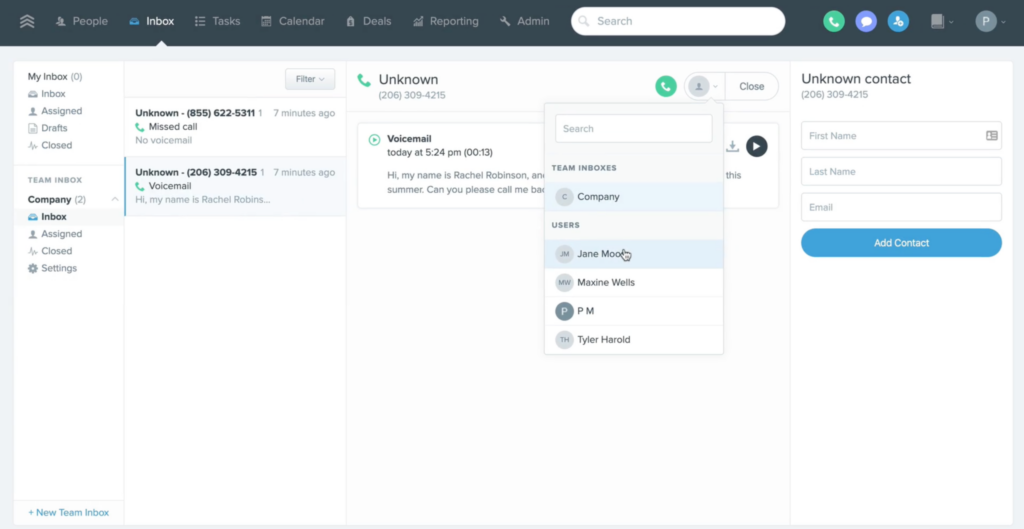
Follow Up Boss è un software CRM con strumenti di gestione delle relazioni e di marketing per i team immobiliari.
Perché ho scelto Follow Up Boss: I team che lavorano in modo collaborativo possono rimanere aggiornati e scambiarsi comunicazioni su lead e trattative direttamente all'interno di questo software. I lead possono essere assegnati agli agenti per codice postale o fascia di prezzo, e le smart list aiutano i team a prioritizzare automaticamente i lead per il primo contatto e il follow-up. I lead possono essere contattati tramite email, telefono o messaggio di testo attraverso il software.
La casella di posta condivisa dal team consente agli agenti di trasferire facilmente i contatti, assegnare compiti e programmare i follow-up con i lead. Gli agenti sul campo saranno notificati dei nuovi lead tramite l'app mobile, e potranno assegnarli a un altro membro del team che lavora dall'ufficio per garantire un follow-up tempestivo. Queste funzionalità favoriscono la collaborazione di squadra e una migliore esperienza per il cliente.
Caratteristiche e integrazioni distintive di Follow Up Boss
Le funzionalità includono importazione dei lead, distribuzione manuale e automatica dei lead, vista calendario, pianificazione degli appuntamenti, gestione delle trattative, archiviazione dei file, assegnazione dei compiti e responsabilità degli agenti.
Le integrazioni includono BombBomb, Facebook Lead Ads, Google Workspace, siti web IDX, Mailchimp, Microsoft 365, SendGrid e Structurely. Gli utenti possono configurare altre integrazioni con un account Zapier a pagamento.
Pros and Cons
Pros:
- Video formativi e webinar on demand
- Nessun limite al numero di contatti con ogni piano
- Supporto telefonico ed email con ogni piano
Cons:
- Non è intuitivo collegare i contatti correlati
- Gli strumenti di reportistica sono elementari
Altri software CRM per il settore immobiliare
Non hai trovato il CRM immobiliare più adatto alle tue esigenze nella shortlist? Ecco qualche altra opzione che vale la pena considerare:
- Wise Agent
Ideale con strumenti di marketing immobiliare
- Real Geeks
Ideale con un feed attività in tempo reale
- inside real estate
Migliore soluzione modulare per grandi aziende
- Thryv
Ideale per la gestione integrata delle piccole imprese
- Buildout
Ideale per broker immobiliari commerciali
- Lion Desk
Ideale per chiamare e inviare messaggi ai lead
- Realvolve
Ideale per team immobiliari residenziali


Recensioni correlate di software CRM per il settore immobiliare
Se non hai ancora trovato ciò che cerchi qui, dai un'occhiata a questi strumenti strettamente collegati ai software CRM immobiliari che abbiamo testato e valutato.
- Software CRM
- Software per le vendite
- Software di gestione lead
- Software di business intelligence
- Software per la gestione dei contratti
- Sistemi di gestione dei ricavi
Come valuto i software CRM per il settore immobiliare
Divido la mia valutazione in due livelli: requisiti fondamentali come l'integrazione MLS e il tracciamento delle pipeline, e fattori differenzianti come la gestione delle commissioni e la profondità della previsione del GCI.
Funzionalità principali (requisiti minimi per questa lista)
Quando seleziono gli strumenti per la mia lista, assegno a ciascuno un punteggio da 0 (non offre la funzionalità) a 5 (eccelle in quest'area) per ogni funzionalità principale elencata di seguito. Successivamente, calcolo il punteggio totale dello strumento in una percentuale. Ogni strumento deve raggiungere un punteggio minimo totale del 65% per essere preso in considerazione.
- Gestione lead & contatti: Cerco campi contatto specifici per il settore immobiliare—come preferenze immobiliari, storico delle transazioni e fonti di referenza—che permettono di segmentare acquirenti, venditori e investitori senza dover aggiungere tag manualmente.
- Integrazione proprietà & annunci: La sincronizzazione MLS e IDX è fondamentale qui. Verifico se gli annunci vengono collegati automaticamente a contatti e trattative, oppure se il team è costretto a copiare i dati tra sistemi diversi.
- Tracciamento trattative & pipeline: Ogni strumento dovrebbe offrire pipeline costruite su fasi tipiche dell’immobiliare come proposta, sotto contratto e chiusura, con la possibilità di attribuire commissioni e GCI a livello di trattativa.
- Automatizzazione marketing: Valuto se la piattaforma supporta campagne drip, follow-up per open house e avvisi sugli annunci tramite email e SMS usando template e trigger specifici per il settore immobiliare.
- Reportistica & previsione delle entrate: Le dashboard devono mostrare la produzione degli agenti, il valore della pipeline e i ricavi chiusi. Cerco strumenti di previsione che aiutino i team RevOps a proiettare il GCI su uffici o team diversi.
- Automazione delle transazioni & workflow: La piattaforma dovrebbe automatizzare l’assegnazione dei compiti e la transizione delle fasi legate alle milestone delle transazioni, come l’attivazione automatica di una checklist di chiusura quando una trattativa passa a "sotto contratto".
Una volta che ho una lista di strumenti che soddisfano i criteri, considero cosa distingue ogni piattaforma.
Fattori di differenziazione (cosa distingue i fornitori)
Ecco come confronto e metto a confronto i diversi fornitori:
Funzionalità distintive
La gestione delle commissioni è un grande elemento di differenziazione—cerco strumenti che gestiscano divisioni multi-livello, pagamenti co-broker e riepiloghi GCI a livello di team senza dover ricorrere a fogli di calcolo. Il lead scoring guidato dall’IA distingue rapidamente i fornitori; le implementazioni più forti analizzano i modelli di coinvolgimento e le ricerche immobiliari per individuare i lead con le più alte probabilità d’acquisto. La gestione territoriale e farming apporta valore reale quando consente di assegnare CAP o quartieri agli agenti e monitorare le prestazioni di marketing per area geografica.
Oltre le funzionalità
La profondità di integrazione è importante qui. Verifico se un CRM si collega nativamente ai fornitori MLS, a strumenti di firma elettronica come DocuSign e a piattaforme contabili come QuickBooks—perché punti di sincronizzazione manchevoli compromettono la precisione dei report RevOps. La scalabilità è un altro aspetto che valuto attentamente; uno strumento che va bene per un team di cinque agenti ma non gestisce gerarchie multi-ufficio o franchise causerà problemi rapidamente. Valuto anche il supporto alla migrazione dei dati, soprattutto per i team che si spostano da piattaforme legacy come Top Producer o LionDesk, dove è essenziale che i contatti e lo storico delle trattative vengano trasferiti in modo pulito.
Come scegliere il software CRM per il settore immobiliare
Con così tante soluzioni CRM per il settore immobiliare disponibili, può essere difficile decidere quale strumento sia quello giusto per soddisfare le tue esigenze.
Quando crei una shortlist, provi e poi scegli un software CRM immobiliare, considera i seguenti aspetti:
- Quale problema stai cercando di risolvere - Inizia identificando la lacuna funzionale del software CRM immobiliare che vuoi colmare per chiarire quali caratteristiche e funzionalità devono essere fornite dallo strumento.
- Chi dovrà usarlo - Per valutare costi e requisiti, considera chi utilizzerà il software e di quante licenze avrai bisogno. Dovrai valutare se ad accedervi saranno solo i responsabili delle operazioni di vendita o l'intera organizzazione. Una volta chiarito questo aspetto, è utile definire se verrà data priorità alla facilità d'uso per tutti o alla velocità operativa per gli utenti esperti del CRM immobiliare.
- Con quali altri strumenti deve lavorare - Chiarisci quali strumenti stai sostituendo, quali rimarranno e con quali strumenti dovrà integrarsi, come software di contabilità, CRM o HR. Dovrai decidere se è necessario che tutti gli strumenti si integrino tra loro oppure se puoi sostituire più strumenti con un unico software CRM immobiliare consolidato.
- Quali risultati sono importanti - Considera il risultato che il software deve offrire per essere considerato un successo. Rifletti su quali capacità vuoi ottenere o migliorare, e come misurerai il successo. Ad esempio, un risultato potrebbe essere la possibilità di avere una maggiore visibilità sulle prestazioni. Potresti confrontare le funzionalità dei software CRM immobiliari all'infinito ma, se non pensi ai risultati che vuoi ottenere, rischi di perdere molto tempo prezioso.
- Come funzionerebbe nella tua organizzazione - Valuta la scelta del software insieme ai tuoi flussi di lavoro e alla metodologia di consegna. Analizza ciò che funziona bene e le aree che stanno creando problemi e che devono essere affrontate. Ricorda che ogni azienda è diversa — non dare per scontato che uno strumento popolare funzionerà anche nella tua organizzazione.
Tendenze del software CRM immobiliare per 2026
In un mercato sempre più competitivo, i professionisti del settore immobiliare richiedono soluzioni CRM che offrano molto più della semplice gestione dei contatti. Ecco una panoramica delle tendenze attuali basata su aggiornamenti software recenti, comunicati stampa e note di rilascio:
Approfondimenti guidati dai dati:
- Analisi e reportistica avanzata: Le piattaforme CRM stanno incorporando funzionalità avanzate di analisi dei dati e reportistica, permettendo agli utenti di ottenere una comprensione più approfondita delle proprie operazioni e dei trend di mercato.
- Analisi predittiva: Utilizzo dell’AI per prevedere i comportamenti dei clienti, le fluttuazioni del mercato e le potenziali opportunità, fornendo agli agenti la possibilità di prendere decisioni proattive.
Coinvolgimento ed esperienza del cliente:
- Interazioni personalizzate con i clienti: I software CRM danno sempre più importanza alla personalizzazione, consentendo agli agenti di adattare comunicazioni e servizi in base alle preferenze e alla storia del singolo cliente.
- Portali clienti: Portali clienti evoluti offrono un'esperienza più interattiva e coinvolgente per acquirenti e venditori, consentendo loro l’accesso in tempo reale ad annunci, documenti e comunicazioni.
Tecnologie mobile e cloud:
- Ottimizzazione per dispositivi mobili: Poiché i professionisti immobiliari sono costantemente in movimento, le soluzioni CRM danno priorità a design e funzionalità mobile-friendly, garantendo l’accesso alle informazioni critiche ovunque e in qualsiasi momento.
- Flessibilità basata su cloud: Si sottolinea la distribuzione in cloud per offrire maggiore scalabilità, sicurezza e collaborazione su dispositivi e sedi differenti.
Tecnologie emergenti:
- Integrazione con realtà virtuale e aumentata: Alcune piattaforme CRM iniziano a integrare tecnologie VR e AR, offrendo modi innovativi per mostrare gli immobili e migliorare il percorso di acquisto.
- Blockchain per transazioni sicure: Integrazione della tecnologia blockchain per incrementare sicurezza e trasparenza delle transazioni immobiliari all’interno del sistema CRM.
Il software CRM immobiliare si sta orientando verso soluzioni sempre più integrate, intelligenti e incentrate sull’utente. Gli operatori del settore dovrebbero puntare su soluzioni che non solo semplificano le attività quotidiane, ma anche forniscono spunti strategici e favoriscono relazioni più profonde con i clienti. Scegliendo un CRM in linea con queste tendenze, le aziende immobiliari possono posizionarsi per avere successo in un mercato sempre più digitale e basato sui dati.
Cos’è il software CRM immobiliare?
Il software CRM immobiliare è uno strumento specializzato per la gestione delle relazioni con i clienti nel settore immobiliare. Unisce le funzionalità tradizionali dei CRM con strumenti specifici per il real estate, come la gestione degli annunci immobiliari, il tracciamento dei lead e la coordinazione delle trattative. Questo software aiuta i professionisti del settore a organizzare i dati dei clienti, gestire gli immobili e ottimizzare le attività di vendita e marketing.
I vantaggi del software CRM per il settore immobiliare includono una migliore organizzazione delle informazioni sui clienti, una gestione più efficiente degli annunci immobiliari e un monitoraggio efficace dei processi di vendita. Aiuta nella coltivazione dei potenziali clienti, nella pianificazione degli appuntamenti e nel mantenimento di un contatto continuo con i clienti. Fornendo approfondimenti sul comportamento dei clienti e sulle tendenze di mercato, consente agli agenti immobiliari di personalizzare le proprie strategie, portando a un servizio clienti migliore, a una maggiore efficienza nelle vendite e a una crescita dell'attività.
Caratteristiche del software CRM immobiliare
Il software CRM per il settore immobiliare non solo aiuta a organizzare le informazioni e le interazioni con i clienti, ma svolge anche un ruolo fondamentale nella gestione dei lead, nel marketing e nel controllo delle transazioni. Ecco le funzionalità essenziali da ricercare in un software CRM immobiliare per migliorare le operazioni di generazione di ricavi:
- Gestione di contatti e lead: Centralizza tutte le informazioni sui clienti e sui potenziali clienti in un unico posto accessibile.
- Essenziale per mantenere profili dettagliati e storici dei clienti, fondamentale per personalizzare le interazioni e costruire relazioni solide.
- Gestione del pipeline: Fornisce una panoramica chiara del funnel di vendita, dalla ricerca dei clienti fino alla chiusura.
- Permette ai professionisti immobiliari di monitorare l'avanzamento delle trattative e di dare priorità alle azioni, influenzando direttamente la generazione di ricavi.
- Automazione dei flussi di lavoro: Automatizza attività ripetitive come follow-up, promemoria e campagne email.
- Aumenta l'efficienza operativa, consentendo agli agenti di concentrarsi sulle attività a maggior valore aggiunto e che generano ricavi.
- Integrazione con MLS: Offre accesso diretto ai database del Multiple Listing Service all'interno del CRM.
- Semplifica la ricerca di immobili e la gestione degli annunci, essenziale per un servizio al cliente tempestivo e informato.
- Automazione marketing: Facilita campagne di marketing mirate, inclusa l'integrazione con email marketing e social media.
- Migliora la generazione e la conversione dei lead, contribuendo direttamente alla crescita dei ricavi.
- Accesso mobile: Garantisce la piena funzionalità del CRM tramite dispositivi mobili per l'accesso in movimento.
- Permette agli agenti di rimanere sempre connessi e reattivi, migliorando il coinvolgimento dei clienti e le opportunità di vendita.
- Reportistica e analisi: Offre approfondimenti completi sulle attività di vendita, sulle tendenze dei clienti e sulla dinamica del mercato.
- Guida le decisioni strategiche e aiuta a ottimizzare gli sforzi di marketing e vendita per migliori risultati di ricavo.
- Strumenti di collaborazione: Consente la comunicazione e la condivisione di documenti all'interno della piattaforma CRM.
- Favorisce la sinergia e un efficiente scambio di informazioni nel team, fondamentale per operazioni coordinate orientate al ricavo.
- Opzioni di personalizzazione: Consente la personalizzazione di dashboard, report e flussi di lavoro in base alle specifiche esigenze aziendali.
- Personalizza l'ambiente CRM per supportare processi operativi e strategie di ricavo uniche.
Adottando un software CRM immobiliare con queste caratteristiche, agenzie e professionisti possono migliorare notevolmente i processi di gestione dei ricavi. La soluzione CRM giusta non solo semplifica le attività quotidiane, ma fornisce anche strumenti e analisi strategiche per far crescere l'attività in modo efficace, assicurando un vantaggio competitivo nel mercato immobiliare.
Vantaggi del software CRM per il settore immobiliare
Nell'ambito immobiliare, dove le relazioni e le informazioni tempestive sono cruciali, il giusto software CRM può aumentare notevolmente la produttività, la soddisfazione dei clienti e i ricavi. Ecco cinque vantaggi principali che un software CRM immobiliare può offrire a utenti e organizzazioni:
- Gestione centralizzata dei dati: Consolida tutte le informazioni sui clienti, le interazioni e la cronologia in un unico luogo.
- Questa centralizzazione consente una gestione efficiente dei dati dei clienti, migliorando l’accessibilità e l’organizzazione, aspetti fondamentali per un follow-up tempestivo e un servizio personalizzato.
- Gestione ottimizzata dei lead: Automatizza i processi di acquisizione, monitoraggio e nurturing dei lead.
- Sistematizzando questi aspetti, il software assicura che nessuna opportunità venga persa, aumentando i tassi di conversione e generando ricavi.
- Comunicazione avanzata: Facilita comunicazioni tempestive e personalizzate con clienti e potenziali clienti.
- Una comunicazione efficace favorisce relazioni più solide, incrementando fiducia e fedeltà del cliente, elementi chiave per il business ricorrente e il passaparola.
- Collaborazione migliorata: Offre strumenti per la collaborazione del team e la condivisione di risorse e informazioni.
- Favorisce un ambiente di team coeso, assicurando che tutti i membri siano allineati e possano lavorare in modo efficiente verso obiettivi aziendali comuni.
- Decisioni basate sui dati: Fornisce funzionalità di analisi e reportistica per ottenere insight sulle performance aziendali e sulle tendenze di mercato.
- Permette agli utenti di prendere decisioni più consapevoli, ottimizzare le strategie e identificare aree di miglioramento, contribuendo a una crescita aziendale sostenuta.
Costi e prezzi per il software CRM immobiliare
La scelta del software CRM immobiliare giusto è fondamentale per migliorare le relazioni con i clienti, rendere più efficienti le operazioni e, in definitiva, aumentare vendite e ricavi nel settore immobiliare. I diversi piani e opzioni di prezzo sono pensati per soddisfare le esigenze di professionisti immobiliari di ogni tipo, che siano agenti indipendenti, piccoli team o grandi agenzie. Comprendere queste soluzioni ti permetterà di prendere una decisione consapevole in linea con gli obiettivi della tua attività e i requisiti di budget.
Tabella di confronto dei piani per il software CRM immobiliare
| Tipo di piano | Prezzo medio | Caratteristiche comuni incluse |
|---|---|---|
| Base | $10 - $35 per utente/mese | Gestione contatti, integrazione calendario, reportistica di base, supporto email |
| Professionale | $35 - $75 per utente/mese | Analisi avanzate, automazione marketing, integrazione MLS, supporto telefonico |
| Enterprise | $75 - $150+ per utente/mese | Workflow personalizzati, strumenti di collaborazione per il team, accesso API, account manager dedicato |
| Gratuito | $0 | Contatti limitati, accesso alle funzionalità essenziali, supporto della community |
Quando scegli un piano CRM immobiliare, valuta sia le esigenze immediate che la crescita futura. Analizza quali funzionalità sono indispensabili per le attività quotidiane e assicurati che il software possa crescere con la tua azienda. L’obiettivo è trovare il giusto equilibrio tra funzionalità, facilità d’uso e costo, per massimizzare il ritorno sull’investimento e supportare efficacemente le operazioni di ricavo.
Domande frequenti sul software CRM immobiliare
Se hai ancora domande sull’utilizzo di un CRM per la tua agenzia immobiliare o su quali funzionalità cercare, sei nella sezione giusta. Qui trovi le risposte ad alcune delle domande più comuni che gli agenti immobiliari pongono sul software CRM.
Quali sono i tipi di software CRM immobiliare?
Il software CRM immobiliare varia per tipologia per rispondere alle diverse esigenze e obiettivi dei professionisti del settore. Questi sistemi aiutano a gestire i dati dei clienti, tracciare le interazioni, coltivare i lead e ottimizzare vari processi operativi. Comprendere i tipi disponibili di CRM immobiliare può guidare gli utenti nella scelta della soluzione più adatta alle strategie aziendali e ai requisiti operativi. Ecco i principali tipi di software CRM immobiliare:
- CRM per la gestione dei contatti: Si concentrano sull’archiviazione e l’organizzazione delle informazioni dei clienti, dei registri di comunicazione e delle cronologie di interazione, consentendo agli agenti immobiliari di mantenere registri dettagliati e follow-up personalizzati.
- CRM per la gestione dei lead: Specializzati nella raccolta, nel tracciamento e nella coltivazione dei lead da varie fonti. Spesso includono strumenti per la valutazione dei lead, la segmentazione e processi di follow-up automatici per ottimizzare i tassi di conversione.
- CRM con automazione del marketing: Offrono strumenti di marketing integrati con le funzionalità CRM, consentendo di realizzare campagne mirate, monitorare il coinvolgimento e analizzare l’efficacia delle strategie di marketing direttamente sulla piattaforma CRM.
- CRM transazionali: Progettati per la gestione delle transazioni immobiliari e della documentazione correlata, questi CRM semplificano i processi transazionali, garantiscono la conformità e conservano tutti i documenti necessari in un unico luogo accessibile.
- CRM analitici: Punta sull’analisi dei dati e sulla reportistica, offrendo strumenti analitici avanzati che aiutano i professionisti immobiliari a ottenere insight sulle operazioni, le tendenze di mercato, le preferenze dei clienti e le prestazioni complessive del business.
- CRM mobile: Progettati per essere utilizzati in mobilità, questi CRM offrono piena funzionalità su smartphone e tablet, garantendo l’accesso alle informazioni, la possibilità di rispondere ai clienti e di gestire le attività ovunque ci si trovi.
- CRM collaborativi: Facilitano la collaborazione tra i membri del team offrendo accesso condiviso alle informazioni e agli strumenti comunicativi, consentendo di coordinarsi efficacemente su gestione dei clienti, annunci immobiliari e altre attività comuni.
Scegliere il giusto tipo di software CRM immobiliare richiede la comprensione delle esigenze specifiche della tua azienda, delle sfide che affronti e degli obiettivi che vuoi raggiungere. Che il focus sia sulle relazioni con i clienti, sulla generazione di lead, sul marketing, sulle transazioni o sull’analisi dei dati, esiste una soluzione CRM immobiliare in grado di supportare questi differenti bisogni.
Perché gli agenti immobiliari dovrebbero usare un software CRM?
Il settore immobiliare si basa sulle relazioni. Gli agenti devono costruire un rapporto di fiducia con i potenziali acquirenti e dimostrare di comprendere davvero ciò che le persone cercano. Costruire relazioni richiede tempo e dedizione, e le piattaforme CRM aiutano gli agenti a tenere traccia dei lead e, in definitiva, a concludere le trattative.
Invece di affidarsi alla memoria, ai fogli di calcolo e ai quaderni, i professionisti possono archiviare tutte le informazioni rilevanti sui contatti all’interno del CRM. Inoltre, possono gestire attività come contatti, follow-up, campagne di marketing e comunicazioni con i clienti tramite il software CRM. Questi sistemi sono come un piccolo assistente che ti permette di affrontare ogni interazione con il cliente in modo preparato e professionale.
Quali altri software utilizzano gli agenti immobiliari?
Dipende dalla natura del tuo business immobiliare e dei flussi di lavoro, ma potresti prendere in considerazione l’utilizzo di:
- Software di lead mining: Motori di generazione di lead specializzati nel settore immobiliare per alimentare il tuo funnel di vendita.
- Software di gestione immobiliare: Una piattaforma per tenere traccia delle proprietà e dei dettagli degli annunci.
- Software di gestione dei contratti: Software per gestire i tuoi contratti e firme elettroniche ed aiutarti a chiudere le trattative.
- Software di project management: Per pianificare i progetti e monitorarne l’esecuzione e il successo.
Il software CRM immobiliare può automatizzare la generazione di lead?
Sì, il software CRM immobiliare può automatizzare la generazione dei lead acquisendoli da diverse fonti come siti web, social media e portali online. Spesso questi sistemi offrono strumenti per valutare e prioritizzare i lead in base alle loro attività e al livello di coinvolgimento, assicurando che gli agenti si concentrino sulle opportunità più promettenti.
Come gestisce la segmentazione dei clienti il software CRM immobiliare?
Il software CRM immobiliare consente agli agenti di segmentare i clienti secondo vari criteri come preferenze d’acquisto, posizione, budget e interazioni precedenti. Una segmentazione efficace permette strategie di comunicazione personalizzate, migliorando la gestione delle relazioni e le attività di marketing mirato.
Il software CRM immobiliare può integrarsi con le inserzioni MLS?
Molte soluzioni CRM immobiliari offrono l’integrazione con i servizi MLS (Multiple Listing Services), consentendo agli agenti di accedere e sincronizzare direttamente i dati degli annunci. Questa integrazione facilita la condivisione di informazioni aggiornate all’interno del CRM, agevolando il processo di abbinamento tra annunci e le esigenze/preferenze dei clienti.
Cosa succede dopo:
Se stai cercando un software CRM immobiliare, contatta gratuitamente un consulente SoftwareSelect per ricevere consigli su misura.
Compili un modulo e fai una breve chiacchierata in cui vengono approfondite le tue esigenze specifiche. Successivamente riceverai una lista ristretta di software da valutare. Ti supporteranno anche durante tutto il processo d'acquisto, incluse le trattative sul prezzo.