

10 Best AI Sales Agent in 2026

Best AI Sales Agent Shortlist


An AI sales agent is software that uses artificial intelligence to automate sales tasks, engage leads, and manage conversations so your team can focus on closing deals. If you’re looking for ways to save hours on prospecting, boost reply rates, or make sense of an endless list of accounts, an AI sales agent can help your team work smarter across the revenue engine.
In this guide, I’ll break down the top tools, what differentiates each one, and what you should look for to match the right platform to your sales process.
Why Trust Our Software Recommendations
Our reviews reflect our independent judgment—not a sales pitch. Learn how we stay transparent.
For this guide, we evaluated tools using hands-on testing and independent research, scoring tools using our selection criteria.
Our reviews reflect our human editorial judgment, not a sales pitch.
AI Sales Agent Comparison Table
This comparison table summarizes pricing details for my top AI sales agent selections:
| Tool | Best For | Trial Info | Price | ||
|---|---|---|---|---|---|
| 1 | Best with instant global phone number provisioning | 14-day free trial | From $25/user/month (billed annually) | Website | |
| 2 | Best for two-way conversational outreach | Free demo available | Pricing upon request | Website | |
| 3 | Best for AI-driven reply handling | Free demo available | From $500/month (billed annually) | Website | |
| 4 | Best for AI-powered sales content creation | Free plan available | From $180/user/month (billed annually) | Website | |
| 5 | Best for CRM-native sales automation | Free plan + free demo available | From $500/100k Credits | Website | |
| 6 | Best for multi-channel outbound execution | Free plan + 30-day free trial + free demo available | From $250/month (billed annually) | Website | |
| 7 | Best for autonomous lead qualification | Free demo available | Pricing upon request | Website | |
| 8 | Best for campaign customization and guardrails | 7-day free trial + free demo available | From $600/month (billed annually) | Website | |
| 9 | Best for website visitor engagement | Free demo available | Pricing upon request | Website | |
| 10 | Best for inbound meeting scheduling | Free demo available | From $250/month | Website |
Best AI Sales Agent Reviews
Below are my detailed summaries of the best AI sales agent tools that made it onto my shortlist. My reviews offer a detailed look at the features, best use cases, and integrations of each tool to help you find the best one for you.

Best with instant global phone number provisioning
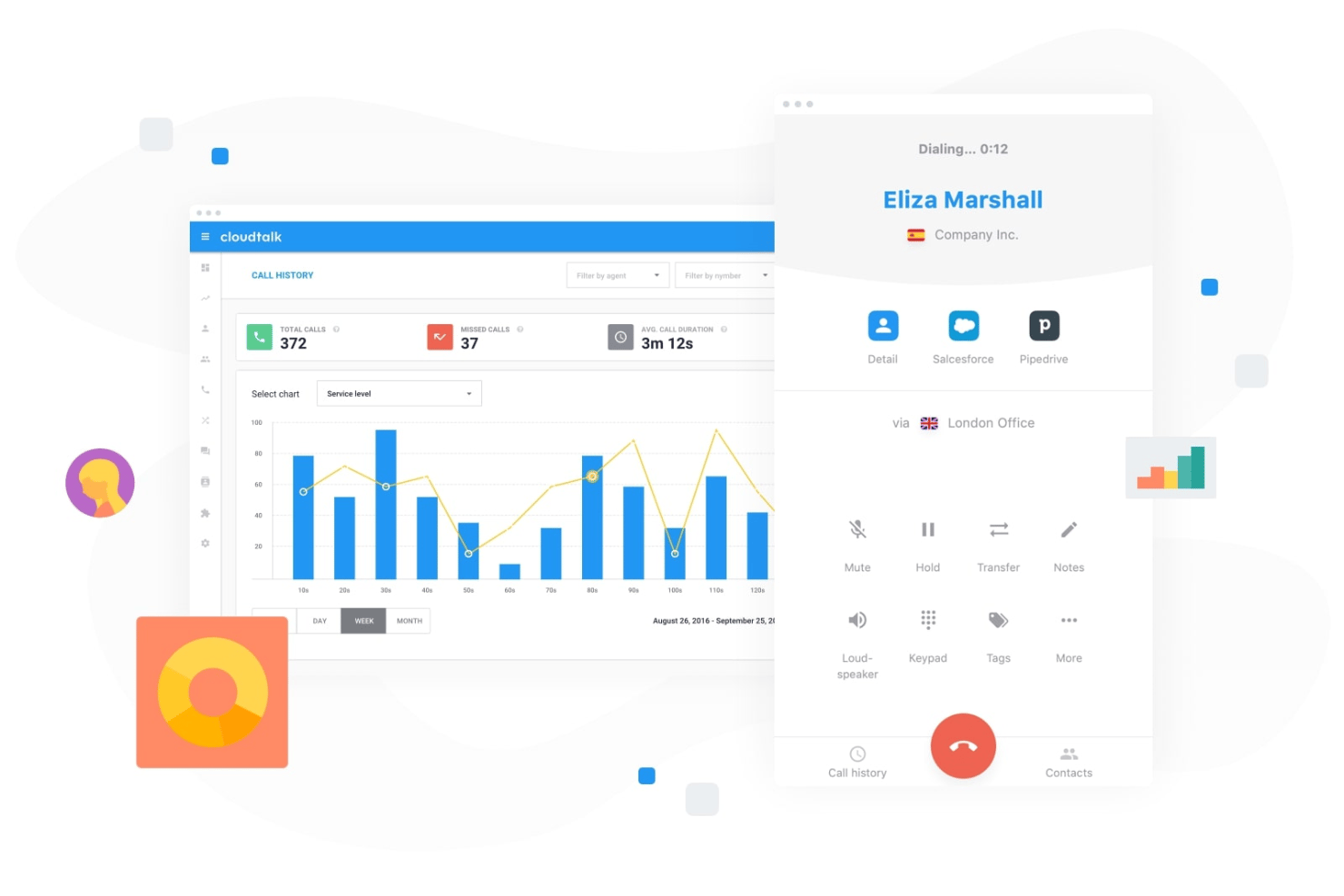
CloudTalk is an AI-powered voice platform that combines autonomous AI Voice Agents, sales dialers, and conversation intelligence for outbound prospecting and inbound lead handling.
Who Is CloudTalk Best For?
CloudTalk is a strong fit for SDR and BDR teams at growing SMBs running high-volume outbound calling across multiple countries or regions.
Why I Picked CloudTalk
I picked CloudTalk as one of the best because instant phone number provisioning across 160+ countries solves a real problem for outbound AI sales teams. When I deploy an AI Voice Agent into a new market, local caller IDs go live in minutes, which directly improves pick-up rates. CloudTalk's Parallel Dialer then handles up to 10 simultaneous lines, with automated voicemail detection keeping AI-assisted reps on live conversations only.
CloudTalk Key Features
- AI Voice Agents: Native agents automate inbound and outbound call handling, lead routing, qualification, and escalation.
- AI conversation intelligence: Automated call transcription, sentiment analysis, scoring, and post-call summaries for every interaction.
- Smart dialer modes: Switch between preview, power, and parallel dialers for high-volume outbound call campaigns.
- Deep CRM integration: Automatically logs activities, notes, and AI-driven summaries directly to Salesforce, HubSpot, and other CRMs.
CloudTalk Integrations
CloudTalk offers native integrations with Salesforce, HubSpot, Pipedrive, Zendesk, Intercom, Freshdesk, Aircall, LiveAgent, and Zoho CRM. An API is available for custom integrations.
Pros and Cons
Pros:
- Parallel dialer boosts live conversation volume
- AI Voice Agents automate outbound call handling
- Instant number provisioning across 160+ countries
Cons:
- Newer AI features lack proven track record
- AI outreach limited to voice calls only
Best for two-way conversational outreach
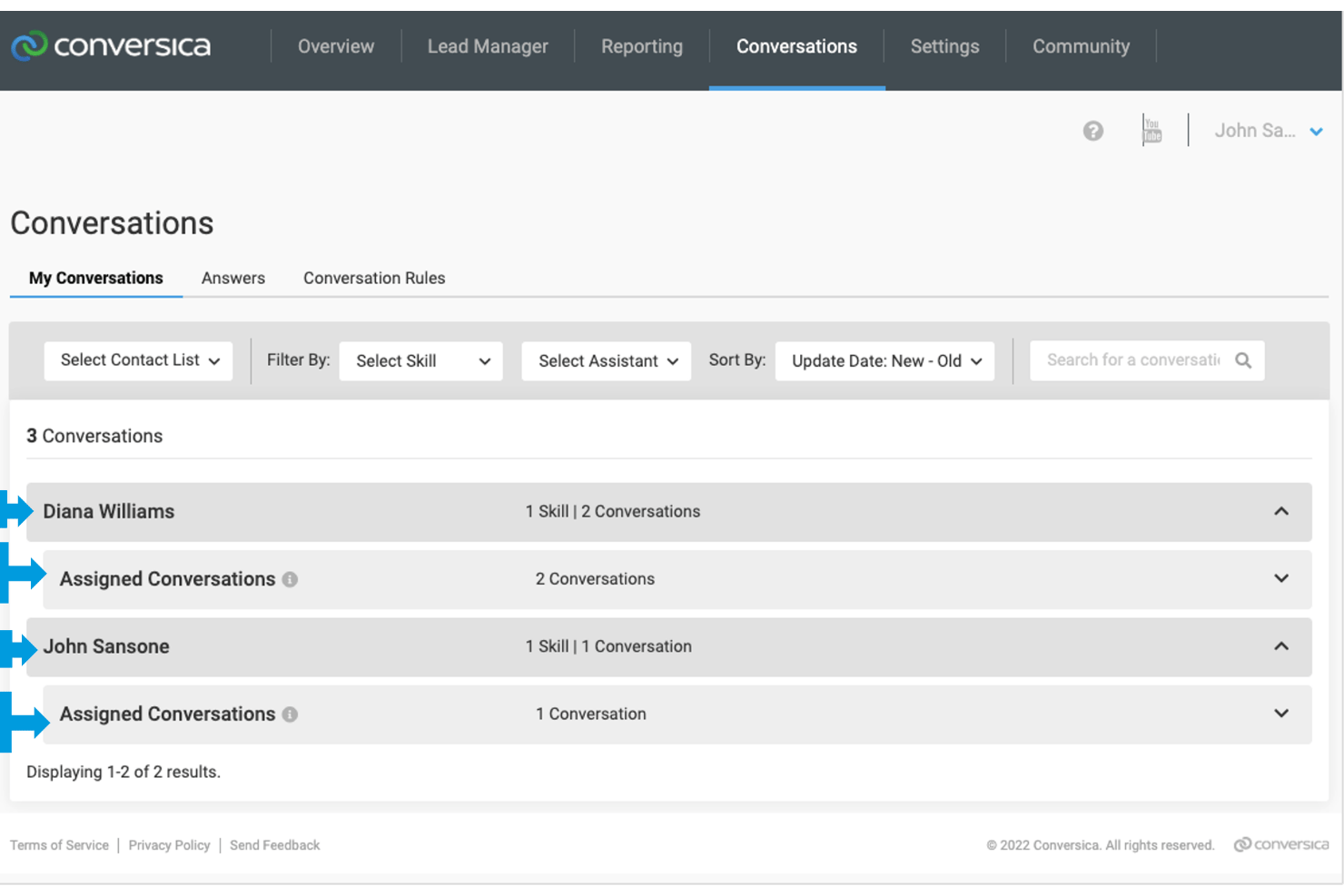
Conversica is an AI sales agent platform that autonomously conducts two-way conversations with leads across email, SMS, and chat, qualifying prospects, booking meetings, and escalating engaged contacts to human reps.
Who Is Conversica Best For?
Conversica is a strong fit for enterprise revenue teams managing large volumes of inbound leads, aged pipeline, or long nurture cycles.
Why I Picked Conversica
Conversica earns its spot on my shortlist because of how genuinely different its two-way conversation engine feels compared to sequence-based AI SDRs. The Revenue Digital Assistants interpret prospect replies in real time, handle objections contextually, and escalate only when a lead signals buying intent. I also use it for aged pipeline, where its conversational re-engagement surfaces deals that standard drip sequences miss.
Conversica Key Features
- ABM program outreach: Engage target accounts with personalized, multi-step communication driven by campaign parameters.
- Inbound lead capture: Respond instantly to web forms and inbound leads with AI-driven qualification.
- Multi-language messaging: Interact with prospects and customers in any language supported across email, SMS, and chat.
- Enterprise CRM integrations: Natively connect to Salesforce, HubSpot, and Microsoft Dynamics for real-time lead sync and activity logging.
Conversica Integrations
Conversica offers native integrations with Salesforce, HubSpot, Microsoft Dynamics 365, Marketo, Eloqua, and Oracle Sales Cloud. An API is available for custom integrations.
Pros and Cons
Pros:
- Supports multi-language conversations across channels
- Re-engages aged pipeline at scale automatically
- Handles contextual objections without human intervention
Cons:
- Weaker at cold outbound than inbound nurturing
- Heavy onboarding needed before agent is production-ready

Best for AI-driven reply handling
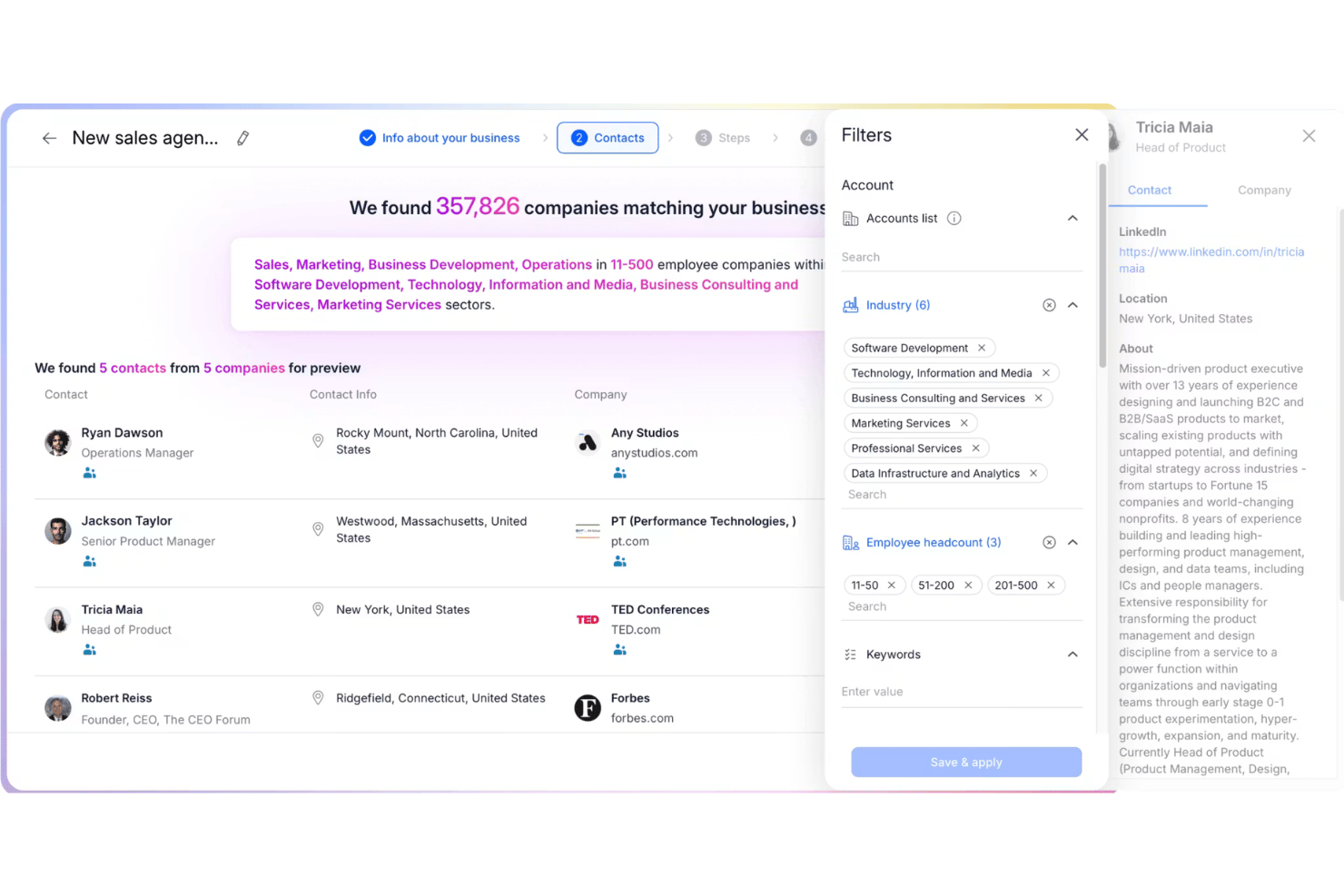
Jason AI SDR is an AI sales agent by Reply.io that autonomously finds prospects, launches multichannel outreach across email, LinkedIn, and SMS, handles replies, and books meetings directly on your reps' calendars.
Who Is Jason AI SDR Best For?
It's a strong fit for lean sales teams that need to run high-volume outbound without scaling headcount, particularly at growth-stage B2B companies.
Why I Picked Jason AI SDR
Jason AI SDR earns its spot on my shortlist because its reply-handling capability goes well beyond simple auto-classification. When a prospect replies with something like "not the right time," Jason reads the intent, crafts a contextual response, and re-engages the thread without any input from my team. I also like that Autopilot and Approval modes let me decide how much human oversight stays in the loop, so I can run fully autonomous campaigns or review AI-drafted replies before they send.
Jason AI SDR Key Features
- Multichannel campaign automation: Launches and manages outreach sequences across email, LinkedIn, SMS, and WhatsApp in one workflow.
- B2B contact database: Provides access to a built-in database of over one billion verified prospects and companies.
- CRM bi-directional sync: Natively integrates with Salesforce, HubSpot, and Pipedrive to auto-sync contact records and activity logs.
- Playbook-driven workflow: Lets you define ICP, tone, offers, and guardrails to shape AI-led campaign execution.
Jason AI SDR Integrations
Jason AI SDR offers native integrations with Salesforce, HubSpot, Pipedrive, Copper, and Google Calendar, and connects with Zapier. An API is available for custom integrations.
Pros and Cons
Pros:
- Built-in contact database with 1B+ verified prospects
- Autopilot and Approval modes for oversight control
- SMS messaging reaches leads on mobile
Cons:
- Reply quality drops on complex technical topics
- Limited reporting on per-campaign ROI attribution
Regie.ai
Best for AI-powered sales content creation
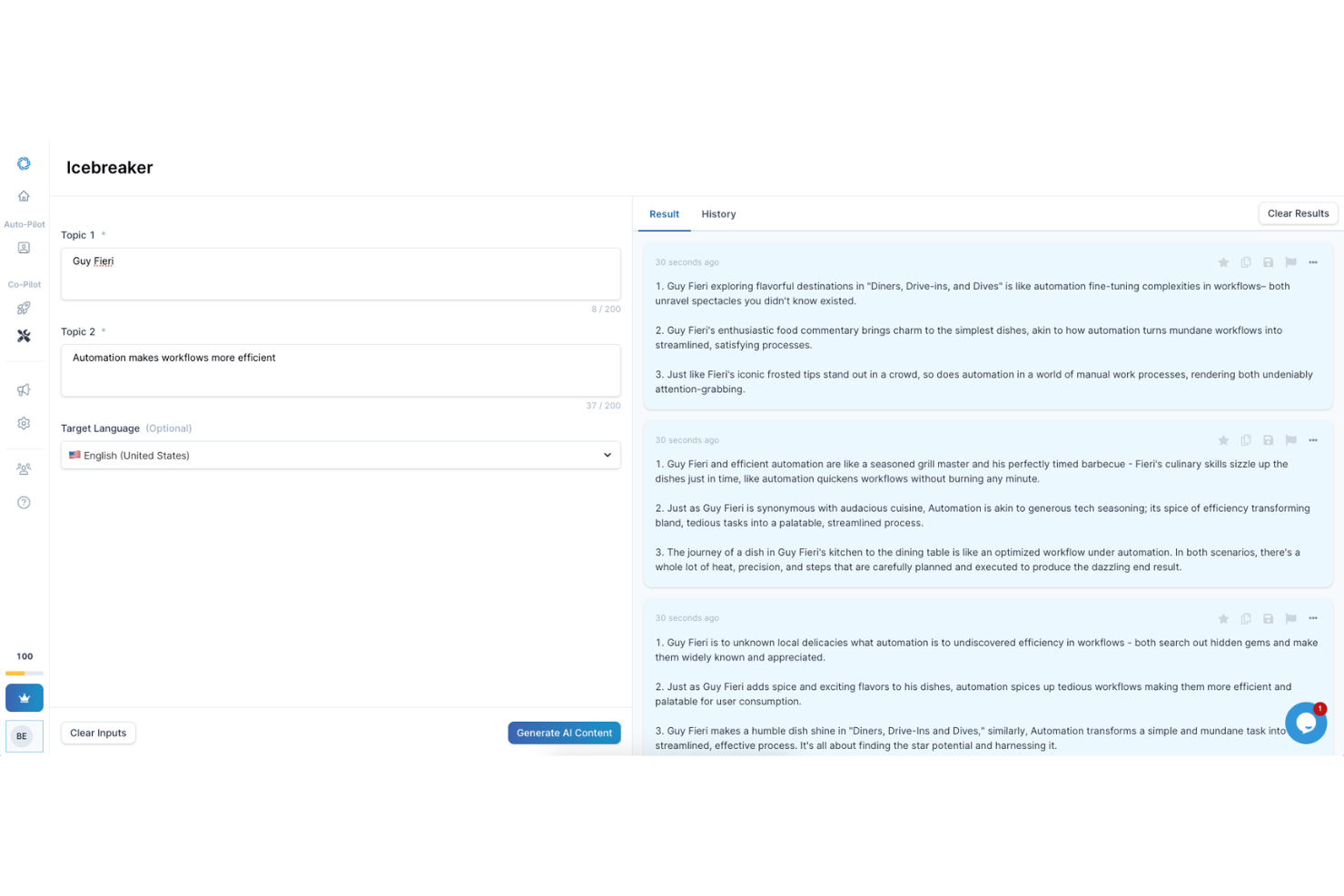
Regie.ai is an AI sales engagement platform that combines autonomous prospecting agents, multi-channel outreach execution across email, LinkedIn, and voice, AI-generated sales content, and a built-in parallel dialer in a single workflow.
Who Is Regie.ai Best For?
Regie.ai is a strong fit for mid-market and enterprise B2B sales teams that run high-volume outbound programs and want AI agents to handle prospecting without adding SDR headcount.
Why I Picked Regie.ai
I picked Regie.ai as one of the best because the AI-generated content isn't generic filler. Agents write emails, LinkedIn messages, call scripts, and voicemails in each rep's actual voice, using a cloned voice model for AI-generated voicemails. What makes the content hold up is the signal layer underneath it: Regie pulls from 100+ sources, including 10-K filings, G2 reviews, and LinkedIn activity, so every message is grounded in something specific and timely about the prospect.
Regie.ai Key Features
- Parallel AI dialer: Dial up to nine prospects at once, with AI sourcing relevant insights for each call.
- Shared rep-plus-agent inbox: AI and human reps collaborate within the same inbox to manage follow-ups and responses.
- Mailbox rotation and warming: Rotate up to ten mailboxes with automatic domain warming to maximize deliverability.
- Signal monitoring and custom triggers: Track 100+ buying signals from sources like LinkedIn, Crunchbase, and web news to trigger outreach or task assignments.
Regie.ai Integrations
Regie.ai offers native integrations with Salesforce, Outreach, Salesloft, and Gong. An API is available for custom integrations.
Pros and Cons
Pros:
- Surfaces 100+ real-time buying signals automatically
- Built-in dialer calls multiple prospects
- AI clones individual rep voice for outreach
Cons:
- Lacks deep analytics export options
- Initial ICP configuration takes significant time
Best for CRM-native sales automation
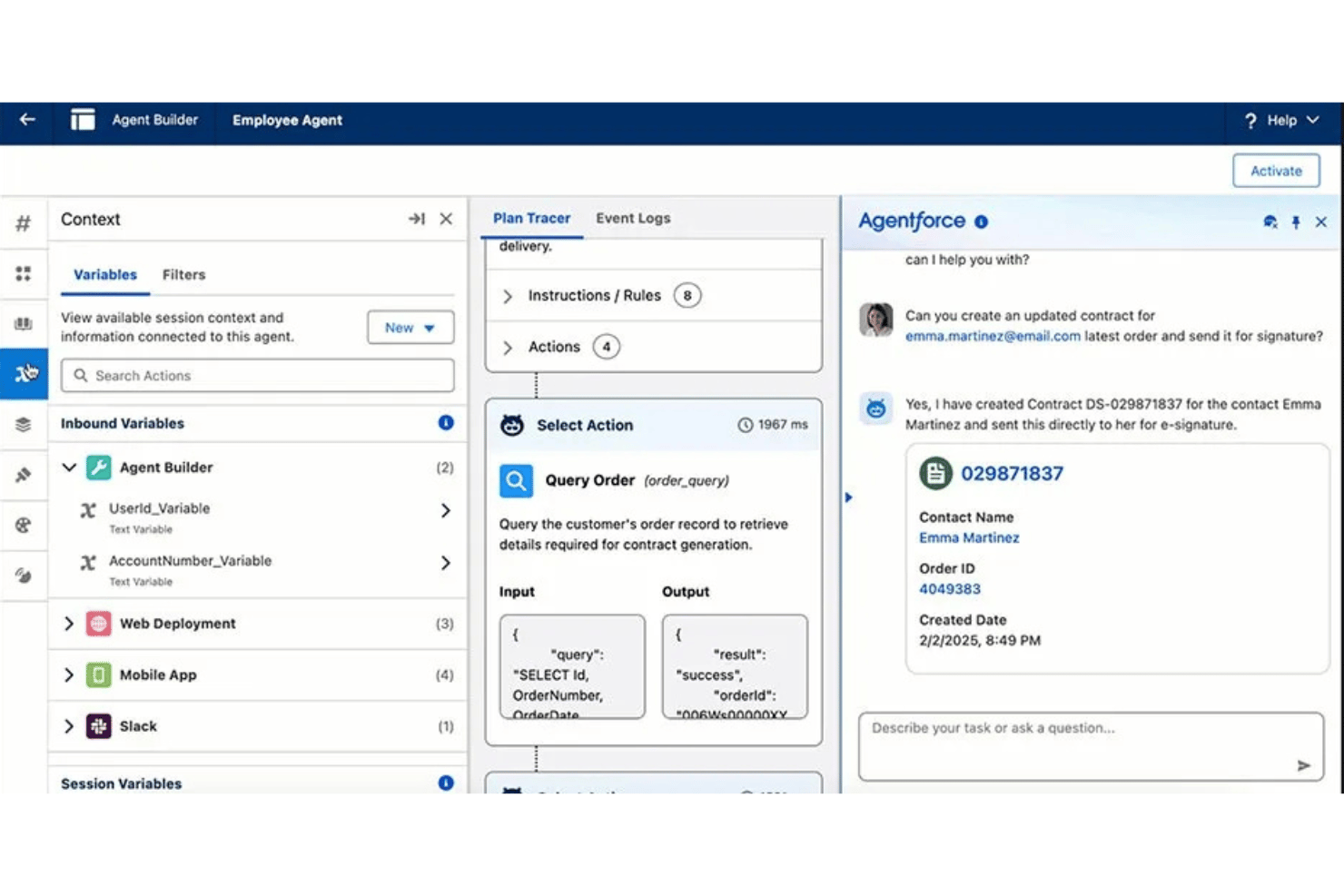
Salesforce Agentforce is a CRM-native AI agent platform that deploys autonomous SDR, sales coach, and revenue agents directly within Salesforce to handle prospect engagement, objection handling, and meeting scheduling.
Who Is Salesforce Agentforce Best For?
Agentforce is a strong fit for mid-market and enterprise sales teams already running on Salesforce who want AI agents embedded directly in their existing CRM workflows.
Why I Picked Salesforce Agentforce
Agentforce earns its spot on my shortlist because the SDR Agent runs entirely within Salesforce, pulling from live CRM records to personalize outreach and handle objections without needing a separate tool. I particularly like the Atlas Reasoning Engine, which breaks down each prospect interaction into steps and re-evaluates its approach in real time. The Sales Coach agent also lets reps practice deal-specific pitches against AI-simulated objections drawn from actual pipeline data.
Salesforce Agentforce Key Features
- Agent Builder: Lets you configure agents, subagents, actions, and instructions using a low-code interface.
- Agentforce Voice: Brings AI-powered voice capabilities to web, phone, and in-app channels for customer engagement.
- Agentforce Grid: Monitors, analyzes, and optimizes agent performance in near real time from a unified dashboard.
- Agent Script: Allows for detailed scripting so you can control agent behaviours and decision flows with precision.
Salesforce Agentforce Integrations
Salesforce Agentforce offers native integrations with Salesforce products, including Sales Cloud and Revenue Cloud. An API is available for custom integrations.
Pros and Cons
Pros:
- Sales Coach agent runs deal-specific pitch practice
- Real-time reasoning engine adjusts agent behaviour
- Native CRM data drives personalized outreach
Cons:
- Complex initial setup and admin configuration required
- Requires an existing Salesforce org to function
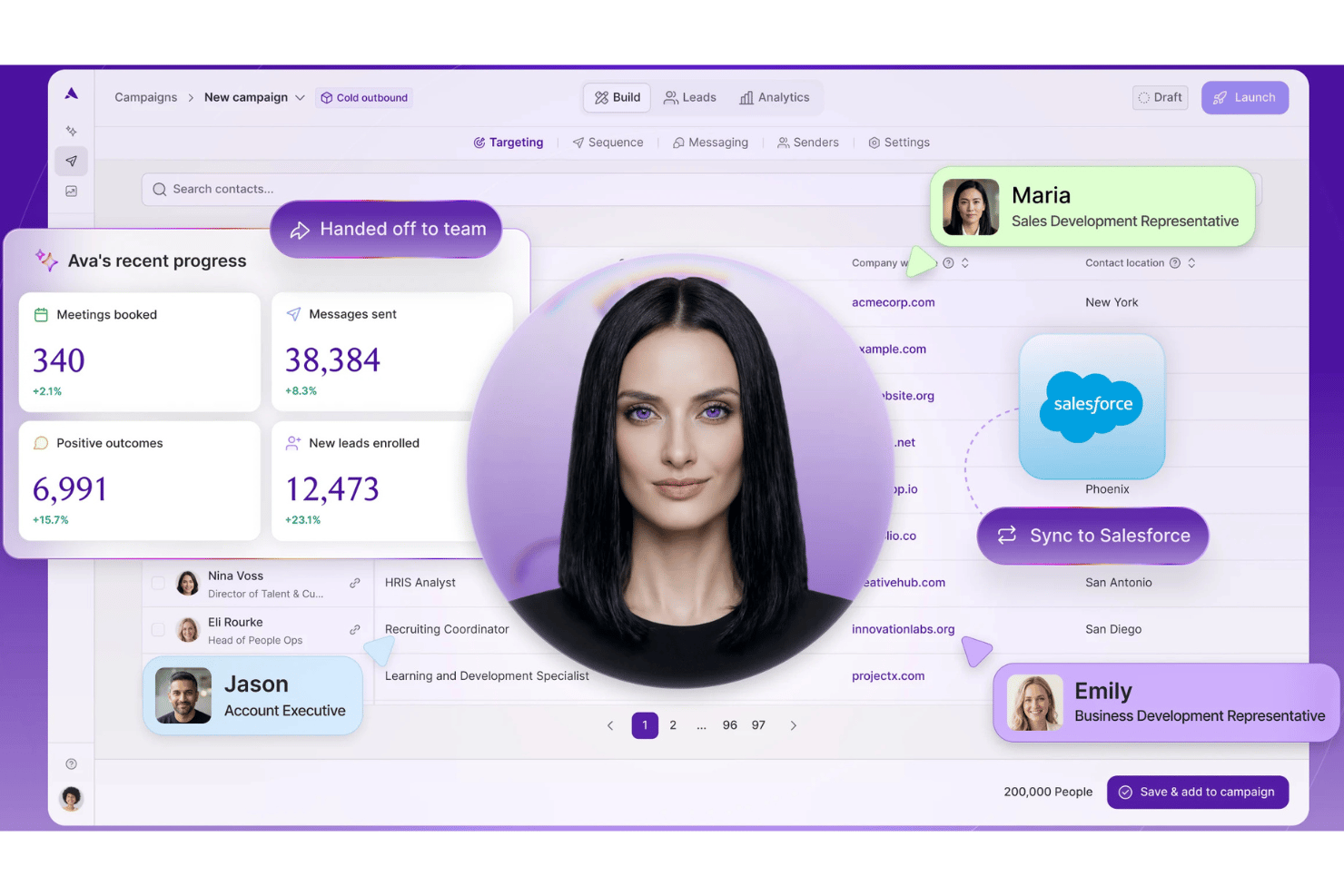
Artisan is an AI sales agent platform built around Ava, an autonomous AI BDR that sources prospects from a 250M+ contact database, writes personalized multi-channel sequences, handles replies, and books meetings.
Who Is Artisan Best For?
Artisan is a strong fit for lean sales teams and early-stage companies that want to run outbound without building a full SDR headcount.
Why I Picked Artisan
Artisan earns its spot on my shortlist because of how Ava runs multi-channel outreach without me touching individual sends. I particularly like the intent signal triggering, where Ava detects a funding round or new hire and immediately queues that prospect into the right sequence. The self-optimization layer is also real: Ava shifts send volume toward subject lines and variants that are converting, without me having to pull reports and manually adjust.
Artisan Key Features
- Bi-directional CRM integration: Syncs activity and data instantly with Salesforce and HubSpot.
- Intent-signal triggered outreach: Monitors signals like funding, hiring, and website visits to prioritize outreach.
- Deliverability management tools: Includes built-in domain warming, SPF/DKIM setup, and send limit optimization.
- Adjustable campaign guardrails: Lets you set approvals, tone, reply sensitivity, and channel controls for every campaign.
Artisan Integrations
Artisan offers native integrations with Salesforce and HubSpot, and provides an API for custom integrations.
Pros and Cons
Pros:
- Self-optimizes cadences without manual A/B testing
- Large built-in 250M+ prospect database included
- Ava executes outreach across three channels
Cons:
- Reporting lacks granularity for pipeline attribution
- Setup and ICP calibration takes time
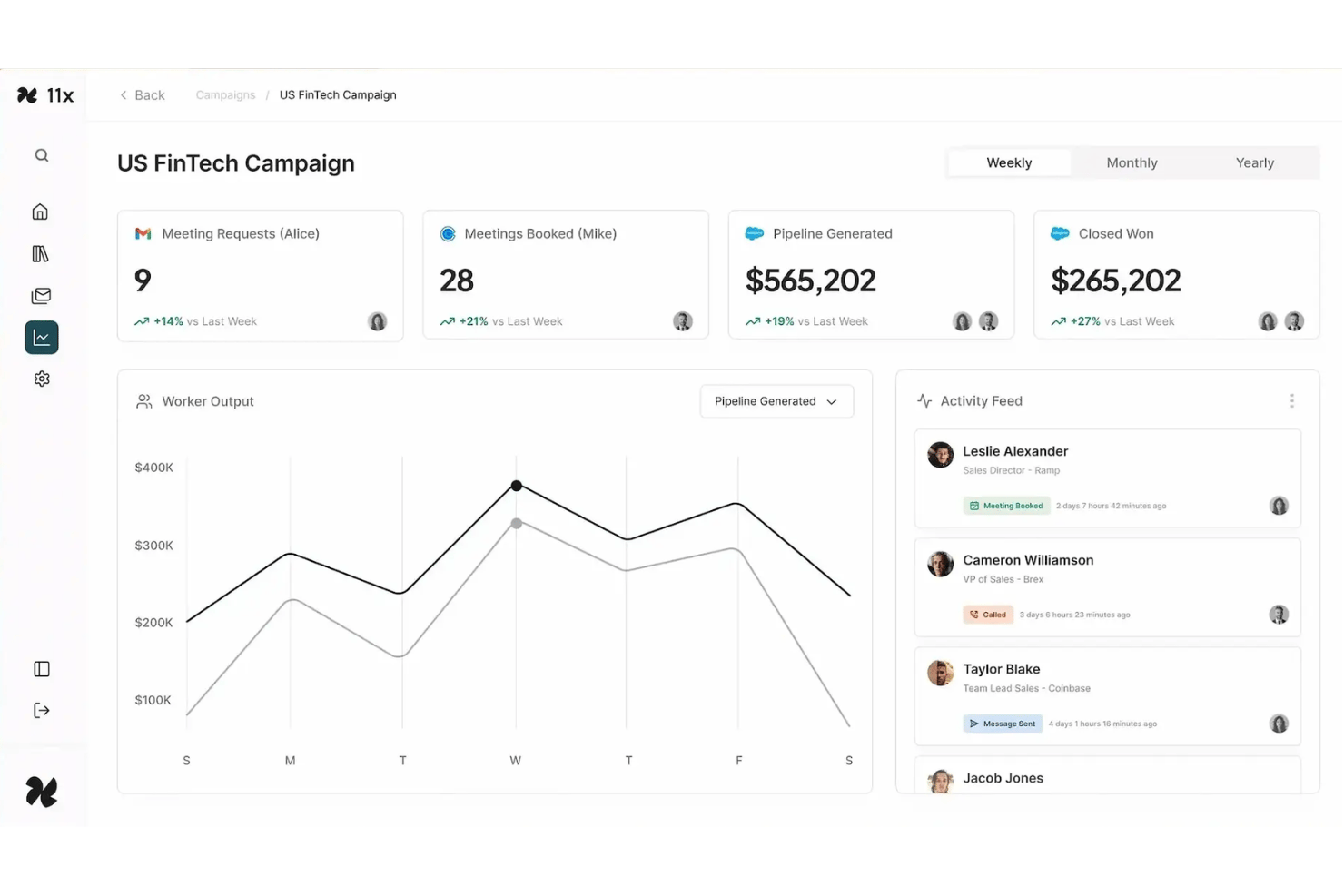
11x is an AI sales agent platform that deploys autonomous digital workers—Alice for outbound prospecting and multi-channel engagement, and Julian for inbound voice conversations—to run SDR workflows without human intervention.
Who Is 11x Best For?
11x is built for enterprise sales teams that run established CRM stacks and need to scale outbound SDR output without adding headcount.
Why I Picked 11x
I picked 11x as one of the best because Alice handles the full qualification loop without human involvement. She pulls intent signals from 50+ data sources to score and prioritize leads, then engages them across email, LinkedIn, and SMS autonomously. When a prospect replies, Alice interprets the response, handles objections, and books a meeting directly onto the rep's calendar, with no rep intervention required until the conversation is already qualified.
11x Key Features
- Multi-language outreach: Alice supports outreach in over 105 languages for global prospect coverage.
- CRM bi-directional integration: Syncs activities and data with Salesforce, HubSpot, and Pipedrive in real time.
- Custom sequence guardrails: Users can set campaign goals, ICP definitions, and brand guidelines to control agent execution.
- Deliverability engine: Built-in infrastructure manages sender reputation, mailbox rotation, and compliance safeguards.
11x Integrations
11x offers native integrations with Salesforce, HubSpot, and Pipedrive. An API is available for custom integrations.
Pros and Cons
Pros:
- Intent signals from 50+ sources prioritize accounts automatically
- Multi-language support covers global markets
- Handles large-scale outbound volume well
Cons:
- Annual contract locks you in before results are proven
- Underperforms with small or highly targeted prospect lists

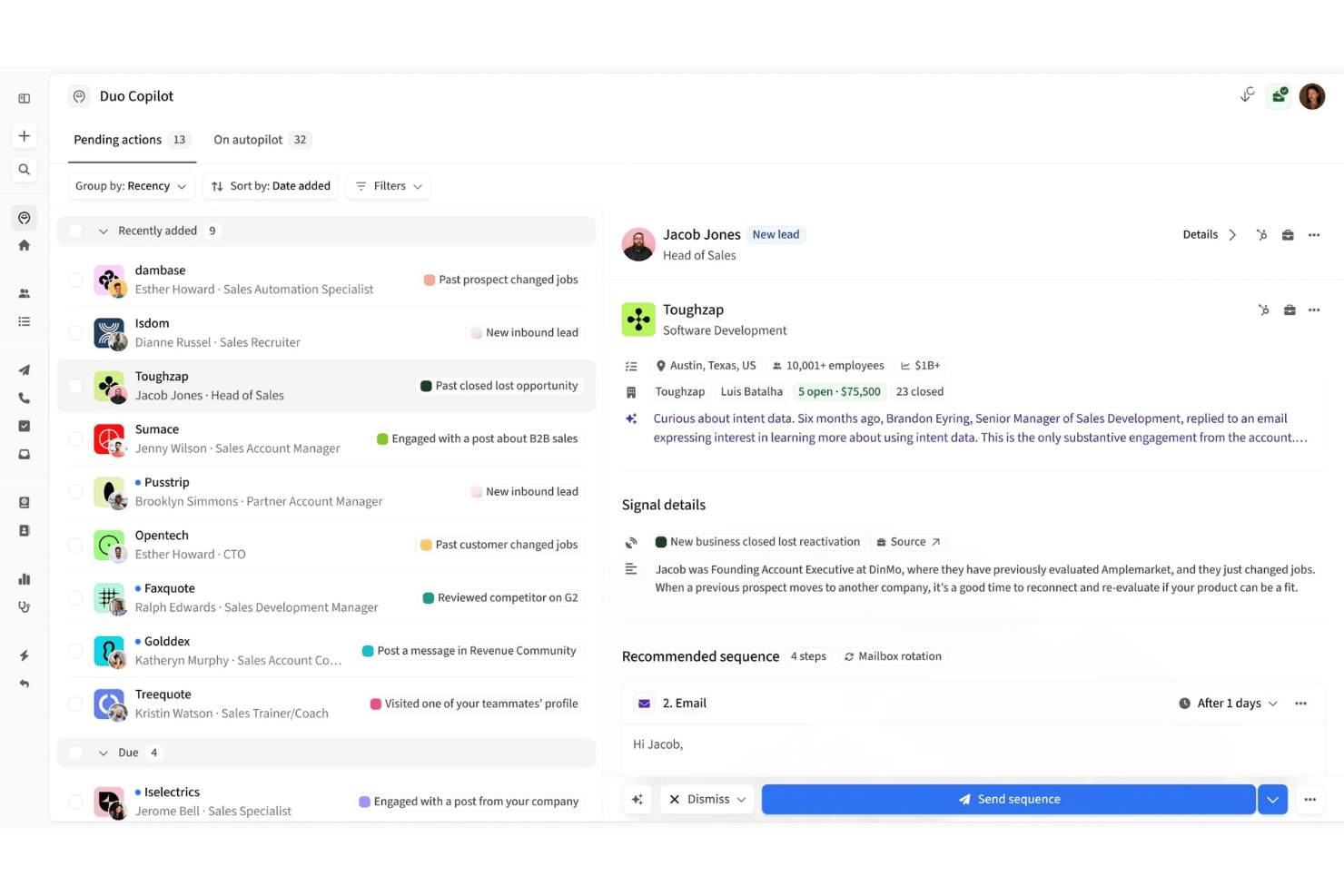
Amplemarket Duo Copilot is an AI sales agent built around three specialized sub-agents—Signal, Research, and Sequence—that handle buying signal detection, autonomous prospect research, and multichannel outreach execution across email, LinkedIn, voice, and more.
Who Is Amplemarket Duo Copilot Best For?
It's a strong fit for SDR and BDR teams at growth-stage B2B companies that run high-volume outbound and need AI-driven signal detection and sequencing without fully removing reps from the loop.
Why I Picked Amplemarket Duo Copilot
Amplemarket Duo Copilot earns its spot as one of the best because of how much control it hands you over how the AI actually behaves. I like that you can bring your own signals via CRM or API, apply territory-based routing rules to distribute leads to the right reps, and keep the team in the approval loop before anything sends. When my team dismisses a Duo recommendation, the agent learns from that dismissal and avoids similar leads going forward.
Amplemarket Duo Copilot Key Features
- Signal detection across 100+ intent triggers: Monitors real-time buying signals like job changes, funding events, and competitor activity at the individual contact level.
- Multichannel outreach sequencing: Automates personalized sales sequences across email, LinkedIn, WhatsApp, iMessage, phone, and AI voice messages.
- Native two-way CRM sync: Syncs activities, contacts, and engagement data in real time with Salesforce, HubSpot, and Pipedrive.
- AI research brief generation: Compiles context from social profiles, company announcements, and professional history into a detailed prospect snapshot.
Amplemarket Duo Copilot Integrations
Amplemarket Duo Copilot offers native integrations with Salesforce, HubSpot, and Pipedrive, and provides an API for custom integrations. It also supports integrations via Zapier.
Pros and Cons
Pros:
- Rep dismissals train the AI over time
- Detects buying signals across 100+ intent triggers
- Granular campaign guardrails prevent off-brand outreach
Cons:
- Not purpose-built for inbound lead qualification
- Steep setup curve for custom signal workflows
Qualified is an inbound-focused AI SDR platform built around Piper, an AI agent that engages website visitors through live chat, voice, and video to qualify leads, handle objections, and book meetings directly on rep calendars.
Who Is Qualified Best For?
Qualified is a strong fit for mid-market and enterprise B2B teams running Salesforce who have dedicated RevOps resources to manage inbound pipeline at scale.
Why I Picked Qualified
Qualified earns its spot on my shortlist because no other AI sales agent matches it for real-time website visitor engagement. Piper can greet a buyer the moment they land on a page and hold a genuine two-way conversation via text, voice, or video, not a scripted decision tree. I particularly like Agent Spotlight, which shows exactly why Piper made each decision during a conversation, so I can tune its qualification behaviour without guesswork.
Qualified Key Features
- Slack collaboration integration: Engage with Piper directly in Slack to review notifications and hold two-way conversations with the AI agent.
- Multi-modal agent conversations: Interact with website visitors using text, voice, or video chat for a more personalized experience.
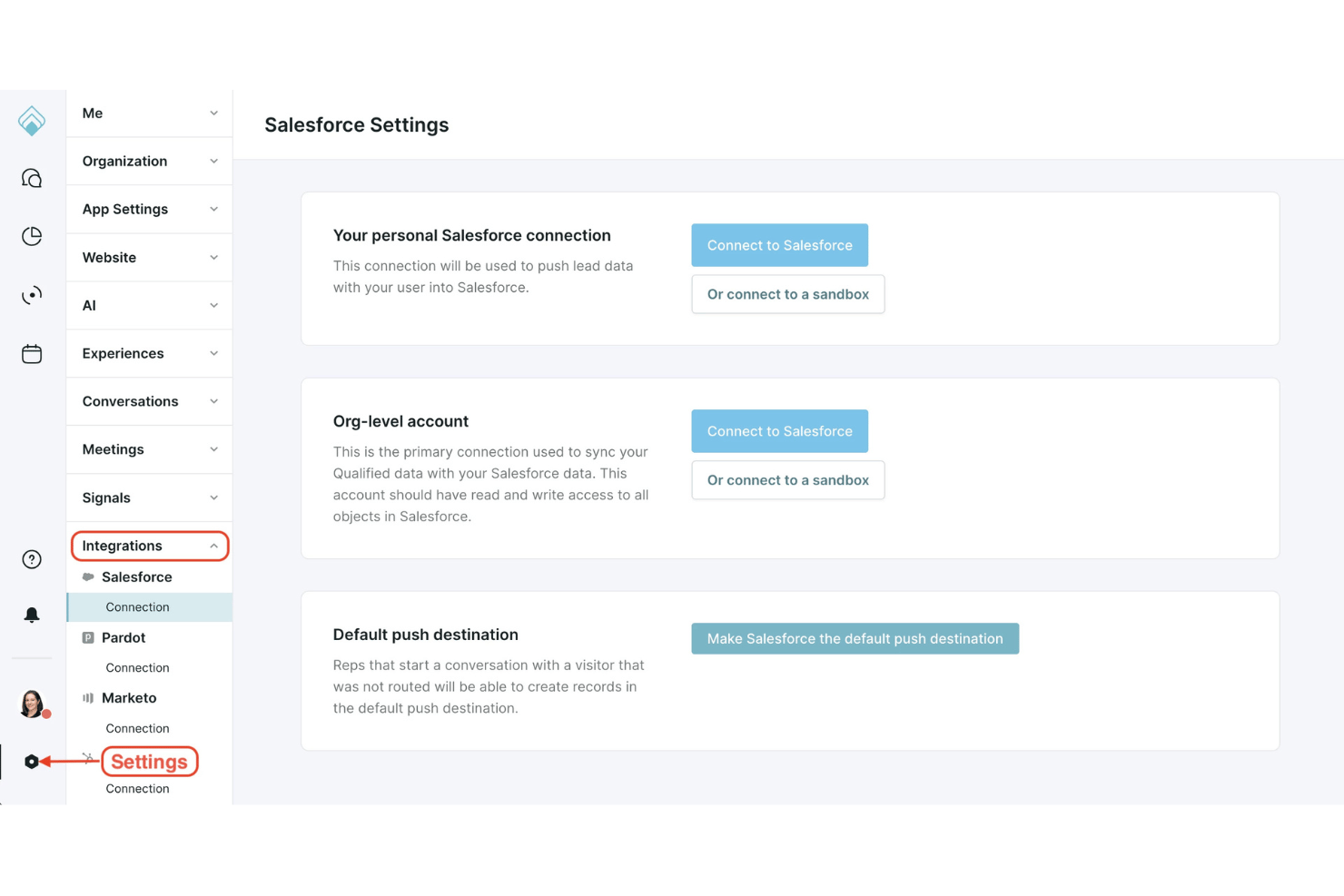
- Salesforce-native routing: Use deep Salesforce integration for custom routing logic, syncing, and automated lead assignment.
- Agent Studio configuration: Centrally manage agent onboarding, training, goals, and guardrails from a dedicated configuration workspace.
Qualified Integrations
Qualified offers native integrations with Salesforce, HubSpot, Marketo, Outreach, Salesloft, 6sense, and Gong, and can connect with Slack. An API is available for custom integrations.
Pros and Cons
Pros:
- White-glove onboarding with dedicated Success Architects
- Salesforce-native routing with deep CRM data support
- Real-time inbound visitor identification and engagement
Cons:
- Lacks cold outbound prospecting features
- Focuses on website traffic
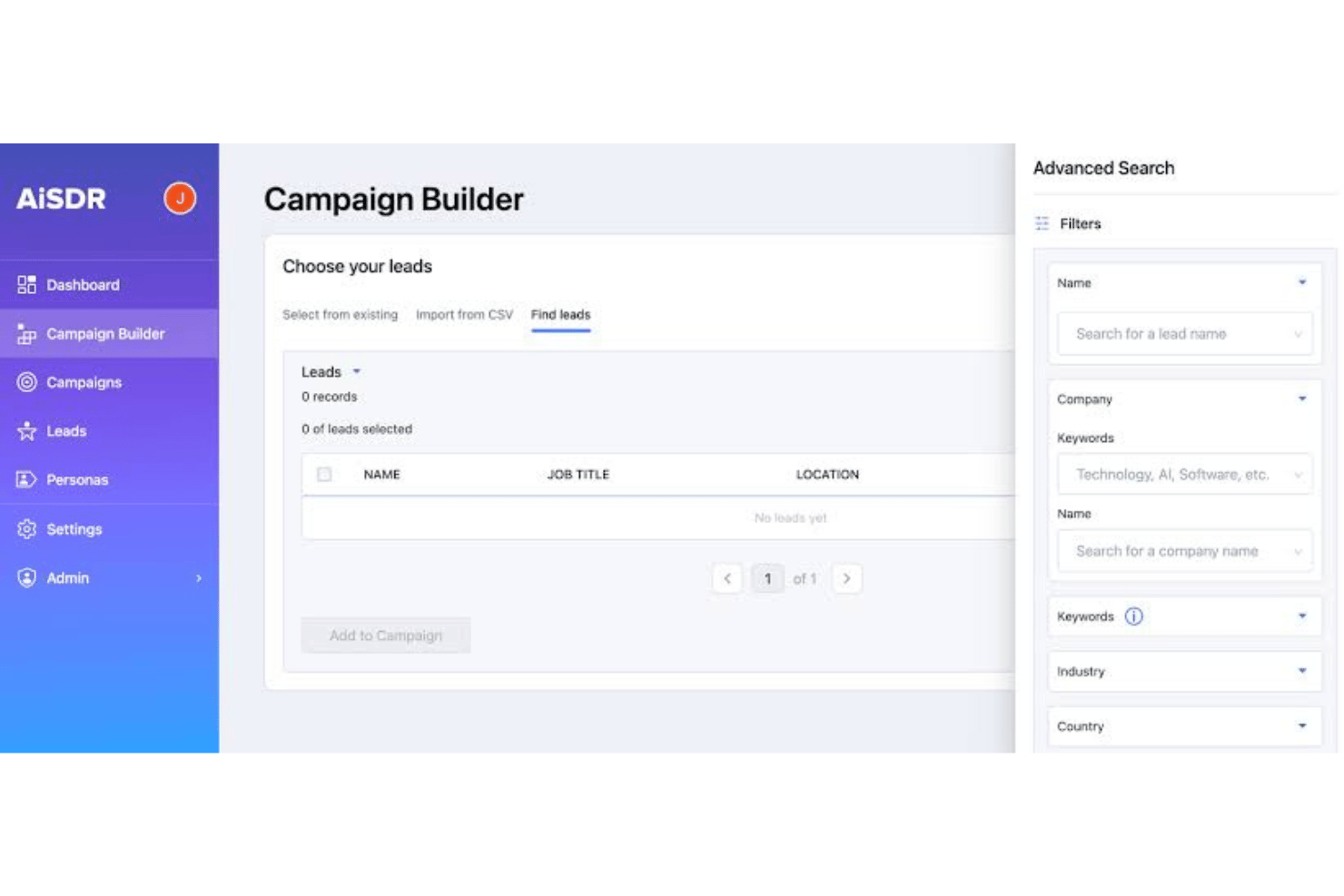
AiSDR is an AI SDR platform that autonomously handles outbound prospecting, inbound lead follow-up, personalized email and LinkedIn outreach, reply handling, and meeting booking using signal-based targeting and deep lead research.
Who Is AiSDR Best For?
AiSDR suits early-stage and growth-stage companies that want SDR-level outreach volume without the headcount to match.
Why I Picked AiSDR
I picked AiSDR as one of the best because of how it handles inbound leads the moment they arrive. The agent replies within 5-10 minutes, qualifies the prospect, handles objections, and books a meeting via Calendly or HubSpot calendar, with no rep involvement required. What I find particularly valuable is the co-pilot mode, which lets reps review AI-drafted replies before they send when full autonomy isn't the right call.
AiSDR Key Features
- AI-powered lead research: Gathers data from 323+ sources to inform each prospect outreach.
- Signal-based targeting: Monitors buying signals like job changes, funding rounds, and LinkedIn activity to trigger outreach.
- Automated multi-channel sequences: Sends personalized emails and LinkedIn messages across cadences without rep intervention.
- Native CRM sync: Two-way integration with both HubSpot and Salesforce for activity logging and record updates.
AiSDR Integrations
AiSDR offers native integrations with HubSpot, Salesforce, Gmail, Outlook, LinkedIn, Calendly, and Aircall. An API is available for custom integrations.
Pros and Cons
Pros:
- Inbound reply handling with autonomous meeting booking
- Dedicated GTM engineer included in every plan
- Fast campaign launch without extra tooling
Cons:
- Signal logic is pre-built with no custom configuration
- No A/B testing across sequences or message variants
Other AI Sales Agent
Here are some additional AI sales agent options that didn’t make it onto my shortlist, but are still worth checking out:
- Apollo.io
For large-scale prospect research
- Clay
For advanced data enrichment workflows
- Unify
For CRM integration
- Outreach
For multistep sales engagement analytics
- Salesloft
For large-scale workflow orchestration
- Breakout
For voice-based outbound calling automation
- Nooks AI
For real-time power dialing with AI support
- Salesforge Agent Frank
For automated inbox rotation
- Landbase
For actionable intent-based account targeting
- Alta
For onboarding-ready SDR conversational flows


How I Evaluate AI Sales Agents
Every tool on this list needs to do more than slap an AI label on a sequencer—it should autonomously research, reach out, and handle replies without a rep babysitting each step. I split my evaluation into two layers: the core functionality a tool must have to qualify and the differentiating factors that separate one agent from another.
Core Functionality (Table Stakes for This List)
When I'm selecting tools for my list, I rank each one on a scale from 0 (does not offer the functionality) to 5 (excels in this area) for each core functionality listed below. Then, I calculate the tool's total score as a percentage. Each tool needs to achieve a minimum total score of 65% to be considered for inclusion.
- Autonomous Outreach Execution: I check whether the agent can send personalized emails, LinkedIn messages, or SMS on its own—not just draft copy that a rep still has to review and hit send on.
- AI Lead Research & Enrichment: The agent should pull firmographic, technographic, and intent data to build prospect profiles, similar to how Clay or Apollo.io layer multiple data sources automatically.
- Conversational Reply Handling: I evaluate how well the agent interprets and responds to prospect replies, including objection handling and knowing when to escalate a conversation to a human rep.
- Meeting Booking & Calendar Handoff: A strong agent negotiates times, books directly on a rep's calendar, and handles rescheduling—going well beyond just dropping a booking link into a message.
- CRM Sync & Activity Logging: I look for two-way sync with CRMs like Salesforce or HubSpot, including activity logging and record updates, so pipeline data stays accurate without manual entry.
- Goal-Based Campaign Configuration: Teams should be able to define an ICP, set guardrails, and let the agent plan and execute multi-step sequences rather than manually building each cadence from scratch.
Once I have a list of tools that meet the criteria, I consider what sets each platform apart.
Differentiating Factors (What Sets Vendors Apart)
Here's how I compare and contrast different vendors:
Standout Features
Self-learning optimization is a big differentiator. I look for agents that A/B test subject lines, send times, and cadences on their own, then apply winning variants without manual tweaking. Intent-based lead prioritization also matters—the strongest agents use real-time buying signals and behavioural data to surface accounts actively in-market, so reps focus on warm prospects instead of cold lists. When these two capabilities work together, outreach gets sharper over time with less human intervention.
Beyond Features
Core use case alignment matters a lot here. Some agents are purpose-built for high-volume cold outbound, while others focus on inbound qualification or re-engaging dormant leads—picking the wrong type wastes budget fast. Deliverability is another factor I evaluate closely, including inbox warm-up, domain rotation, and compliance safeguards that protect your sender reputation at scale. I also consider integration depth, especially whether the agent syncs bidirectionally with your CRM and data providers to prevent duplicate records and preserve attribution.
How to Choose AI Sales Agent
It’s easy to get bogged down in long feature lists and complex pricing structures. To help you stay focused as you work through your unique software selection process, here’s a checklist of factors to keep in mind:
| Factor | What to Consider |
|---|---|
| Scalability | Will the platform support a spike in leads or reps as your go-to-market operation grows? Check for flexible workflows that adapt to your team’s future scale. |
| Integrations | Does the tool natively connect with your CRM, sales engagement, and data systems? Prioritize agents that avoid manual data work or fragmented pipeline management. |
| Customizability | Can you tailor campaigns, objection handling, and lead routing for your processes? Consider how much you can tweak cadences, messaging, and account selection. |
| Ease of use | Is the interface intuitive for both admins and reps? Look for fast onboarding and clear controls—avoid tools that require frequent vendor support to manage. |
| Implementation and onboarding | How quickly can you go live with your core use cases? Clarify timelines, necessary resources, and requirements for setup, playbooks, or data cleansing. |
| Cost | How do pricing tiers, agent limits, or usage caps align with your forecasted volume? Watch out for hidden fees like contact enrichment or extra inboxes. |
| Security safeguards | Does the platform support SSO, permission controls, and audit trails? Evaluate how the tool protects sensitive lead and pipeline data inside your stack. |
| Support availability | When issues block outreach, how fast can you get help? Consider timezone coverage, escalation paths, and whether live chat or account management is provided. |
What Are AI Sales Agents?
AI sales agents are software platforms that autonomously execute outbound and inbound sales tasks like prospecting, lead research, personalized messaging, reply handling, and meeting booking. These tools use artificial intelligence to manage outreach and qualification workflows so your revenue team can focus on higher-value sales conversations instead of repetitive SDR work.
Features
When selecting an AI sales agent, keep an eye out for the following key features:
- Autonomous outreach: The agent sends multi-channel messages—email, LinkedIn, SMS—without requiring manual intervention for every touchpoint.
- AI-driven lead enrichment: It pulls firmographic, technographic, and intent data from third-party databases to build thorough prospect profiles and inform targeting.
- Conversational reply handling: The system interprets and responds to prospect replies, manages objections, and escalates qualified leads to human reps when needed.
- Automated meeting booking: The agent proposes times, negotiates schedules, and books meetings directly onto rep calendars, reducing manual scheduling friction.
- CRM integration and sync: All activity is logged in your CRM, with bi-directional data syncing and real-time lead or opportunity creation to ensure consistent records.
- Multi-step campaign automation: You can configure ICPs, campaign goals, and guardrails, allowing the agent to plan and execute tailored outreach sequences.
- Personalization at scale: Messaging and cadences are customized per prospect segment or individual, using available data to craft relevant outreach without copy-paste effort.
- A/B testing optimization: Subject lines, message content, and send times are automatically tested, with effective iterations applied across future campaigns.
- Deliverability safeguards: The platform manages inbox warm-up, domain rotation, and compliance with laws like GDPR or CAN-SPAM to protect sender reputation.
- Actionable reporting: Dashboards show key metrics such as response rates, meetings booked, and pipeline impact, giving clear visibility into agent performance.
Benefits
Implementing an AI sales agent provides several benefits for your team and your business. Here are a few you can look forward to:
- Scalable prospecting: AI agents execute multi-channel outreach and lead qualification automatically, allowing your team to handle more volume without adding headcount.
- Higher pipeline quality: Automated lead research and intent data help prioritize prospects who are more likely to convert, driving better opportunities into your CRM.
- Faster response times: Conversational reply handling and immediate meeting booking mean qualified leads get a real-time experience and don’t fall through the cracks.
- Consistent process execution: Predefined cadences, guardrails, and data syncs ensure your outreach stays on-message and follows your sales playbook every time.
- Reduced manual data entry: Real-time CRM integrations log activities, update records, and create new opportunities for your team automatically.
- Continuous campaign improvement: Built-in A/B testing and self-learning optimizations sharpen subject lines, messaging, and timing with every new outreach sequence.
- Increased rep focus: By automating repetitive SDR tasks, AI sales agents free your human reps to spend more time on high-value conversations and closing deals.
Costs and Pricing
Selecting an AI sales agent requires an understanding of the various pricing models and plans available. Costs vary based on features, team size, add-ons, and more. The table below summarizes common plans, their average prices, and typical features included in AI sales agent solutions:
Plan Comparison Table for AI Sales Agent
| Plan Type | Average Price | Common Features |
|---|---|---|
| Free Plan | $0 | Basic single-channel outreach, limited contacts, standard reply handling, basic reporting, and minimal CRM export. |
| Personal Plan | $25-$75/user/month | Multi-channel messaging, some lead enrichment, meeting booking, CRM sync, basic A/B testing, and template customization. |
| Business Plan | $75-$200/user/month | Advanced enrichment, multi-step campaigns, AI-driven prioritization, deep CRM integration, custom guardrails, and deliverability protections. |
| Enterprise Plan | $200+/user/month | Fully autonomous outreach, two-way CRM sync, proprietary data integrations, advanced compliance, onboarding help, dedicated support, and custom workflows. |
AI Sales Agent FAQs
Here are some answers to common questions about AI sales agents:
How quickly can you implement an AI sales agent?
Most platforms offer guided onboarding and can be up and running within days for standard automated workflows. Implementation to shorten your sales cycle may take a few weeks if you require custom generative AI setups, natural language processing (NLP) models to schedule meetings, or deep crm integration for complex pipeline needs.
Can AI sales agents fully replace human SDRs?
No. While autonomous agents powered by LLMs automate repetitive tasks and target your ideal customer profile, a human-in-the-loop approach remains essential. Human reps rely on conversation intelligence for complex negotiations, qualifying leads, and relationship building that software alone cannot manage.
How do AI sales agents manage compliance and data privacy?
Beyond standard compliance like GDPR and CCPA, these systems use machine learning and predictive analytics for secure data enrichment and monitoring buying intent signals. They offer consent management and audit trails, but you should always verify each platform’s specific regional privacy controls.
What types of businesses benefit the most from AI sales agents?
High-velocity sales teams, businesses running outbound prospecting at scale, or those managing large lead lists see the most value. Smaller teams may use AI agents to augment lean teams or accelerate new outreach programs.
Do AI sales agents need lots of customization to work well?
Some agents are turnkey and work out-of-the-box for standard use cases. If your process is unique, look for platforms offering no-code customization or playbook builders to match your workflows.