
Recensione di Salesforce Marketing: Pro, Contro, Funzionalità e Prezzi
I team di marketing oggi dispongono di moltissimi strumenti, ma non tutti sono progettati per la scalabilità. In questa recensione approfondisco i punti di forza, i limiti e i casi d’uso ideali di Salesforce Marketing Cloud.

Recensiamo gli strumenti in modo indipendente e le commissioni aiutano a finanziare i nostri test. Consulta la nostra politica sulla trasparenza, la nostra metodologia o suggerisci uno strumento.
With years of experience navigating marketing automation software, I’ve seen how critical it is to have a system that not only scales but also brings together your data, channels, and strategy in one place. Salesforce Marketing Cloud stands out for its ability to handle complex, high-volume campaigns while delivering deeply personalized experiences across email, mobile, and beyond. It’s particularly well-suited for large enterprises—especially in industries like retail and finance—where customer data is vast and campaign orchestration needs to be precise.
In this review, I’ll walk you through Salesforce Marketing Cloud’s core features, strengths and limitations, ideal use cases, and pricing to help you decide if it’s the right fit for your team.
Salesforce Marketing Evaluation Summary
3.5/5
- From $25/user/month
- Free trial available
Perché fidarsi dei nostri consigli sui software
6,700+
Reviews
20
Industry experts
16+
Evaluation factors
14
Years
Le nostre recensioni riflettono il nostro giudizio indipendente, non un discorso di vendita. Scopri come manteniamo la trasparenza.
Per questa guida, abbiamo valutato gli strumenti attraverso test pratici e ricerche indipendenti, assegnando un punteggio agli strumenti in base ai nostri criteri di selezione.
Le nostre recensioni riflettono il nostro giudizio editoriale umano, non un discorso di vendita.
Salesforce Marketing Overview
Salesforce Marketing Cloud equips marketers with the tools to create personalized, data-driven campaigns across channels. With strong CRM integration and AI-powered insights, it helps teams connect customer behavior to business outcomes—making it ideal for complex, high-volume marketing environments.
Pros
- It offers advanced analytics that help you make data-driven decisions.
- The platform provides strong campaign management tools for your team.
- Its customization options let you tailor experiences to fit your business needs.
Cons
- Can feel overly complex for basic marketing needs.
- High cost compared to mid-market alternatives.
- Sometimes, the software's performance can be sluggish during peak times.
Is Salesforce Marketing Right For Your Needs?
Who Would be a Good Fit for Salesforce Marketing?
Salesforce Marketing is ideal for large enterprises and industries like retail or finance that need to manage extensive customer data and run complex, multi-channel campaigns. If your team values advanced analytics and customization, this tool will help you make informed decisions and tailor marketing strategies effectively. Its robust campaign management tools are perfect for marketing departments aiming to streamline operations and enhance customer engagement.
- Retail EnterprisesSalesforce Marketing excels in managing vast amounts of customer data, helping you create personalized marketing campaigns.
- Financial ServicesIts advanced analytics allow you to track and optimize customer journeys, making it invaluable for finance teams.
- Large CorporationsIf your company has diverse marketing needs, the platform’s customization options will fit various business requirements.
- Marketing DepartmentsThe strong campaign management tools help your team run coordinated and effective marketing efforts.
- Data-Driven TeamsWith its advanced analytics, Salesforce Marketing supports your data-driven decision-making processes.
- Customer Engagement RolesThe software enables you to enhance customer interactions through tailored experiences and targeted campaigns.
Who Would be a Bad Fit for Salesforce Marketing?
Small businesses or startups with limited budgets and resources might find Salesforce Marketing overwhelming and not cost-effective. If your team lacks the technical expertise to navigate complex interfaces, this software could slow your progress. Additionally, industries that don’t rely heavily on data analytics or multi-channel marketing might not benefit from its advanced features.
- Small StartupsThe complexity and cost might outweigh the benefits for your small team.
- Non-Technical TeamsIf your team struggles with complex software, Salesforce Marketing’s interface could be a hindrance.
- Budget-Constrained CompaniesThe investment required might not align with your financial capacity.
- Simple Marketing NeedsFor straightforward campaigns, the advanced features may be more than you need.
- One-Person TeamsThe software’s capabilities might be excessive for solo marketers managing basic tasks.
- Industries with Minimal DataIf your industry doesn’t rely on detailed analytics, the advanced data features may be unnecessary.
Come Testiamo e Valutiamo gli Strumenti
Abbiamo trascorso anni a costruire, perfezionare e migliorare il nostro sistema di valutazione e test dei software. Il nostro metodo è pensato per cogliere le sfumature della selezione software e ciò che rende uno strumento efficace, concentrandosi sugli aspetti critici del processo decisionale. Qui sotto puoi vedere esattamente come funzionano i nostri test e la valutazione sui sette criteri. Ci permette di fornire una valutazione imparziale del software in base alla funzionalità principale, alle caratteristiche distintive, facilità d’uso, onboarding, assistenza clienti, integrazioni, recensioni degli utenti e rapporto qualità-prezzo.
Funzionalità Principali (25% del punteggio finale)
Il punto di partenza per la nostra valutazione è sempre la funzionalità di base dello strumento. Possiede le caratteristiche e le funzioni che un utente si aspetterebbe di trovare? Alcune di queste funzioni di base sono limitate ai piani tariffari più costosi? Per noi uno strumento deve almeno essere alla pari con le capacità minime offerte dai concorrenti.
Caratteristiche Distintive (25% del punteggio finale)
Successivamente, valutiamo le funzionalità insolite o esclusive che vanno oltre le funzioni core normalmente presenti in strumenti simili. Un punteggio elevato riflette una presenza di caratteristiche particolari o uniche che rendono il prodotto più veloce, efficace o danno un valore aggiunto all’utente. Valutiamo anche la facilità di integrazione con altri strumenti tipici del tech stack per espanderne funzionalità e utilità. Gli strumenti che offrono numerose integrazioni native, connessioni di terze parti e accesso API per costruire integrazioni personalizzate ottengono i punteggi migliori.
Facilità d’Uso (10% del punteggio finale)
Consideriamo quanto sia rapido e intuitivo svolgere le attività fondamentali tramite lo strumento. I software con i punteggi più alti hanno un design ben pensato, sono intuitivi, offrono app mobili, forniscono modelli predefiniti e semplificano anche le attività più complesse.
Onboarding (10% del punteggio finale)
Sappiamo quanto sia importante che un nuovo strumento venga rapidamente adottato dal team, quindi valutiamo la facilità di apprendimento con un minimo di formazione. Valutiamo quanto velocemente un membro del team può iniziare a usare lo strumento senza esperienza. Le soluzioni con i punteggi più alti richiedono poco o nessun supporto iniziale.
Assistenza Clienti (10% del punteggio finale)
Analizziamo quanto sia facile e veloce risolvere problemi e ricevere assistenza tramite telefono, chat dal vivo o knowledge base. Gli strumenti e le aziende che offrono supporto in tempo reale ottengono i punteggi migliori, mentre i chatbot ottengono i peggiori.
Recensioni dei Clienti (10% del punteggio finale)
Oltre ai nostri test, consideriamo il net promoter score da clienti attuali e passati. Valutiamo la probabilità che gli utenti sceglierebbero nuovamente lo strumento per le funzionalità principali. Un punteggio elevato riflette un alto net promoter score da parte dei clienti.
Rapporto Qualità-Prezzo (10% del punteggio finale)
Infine, considerando tutti gli altri criteri, esaminiamo il prezzo medio dei piani base rispetto alle funzionalità principali e agli altri fattori valutativi. I software che offrono di più a un costo inferiore ottengono un punteggio più alto.
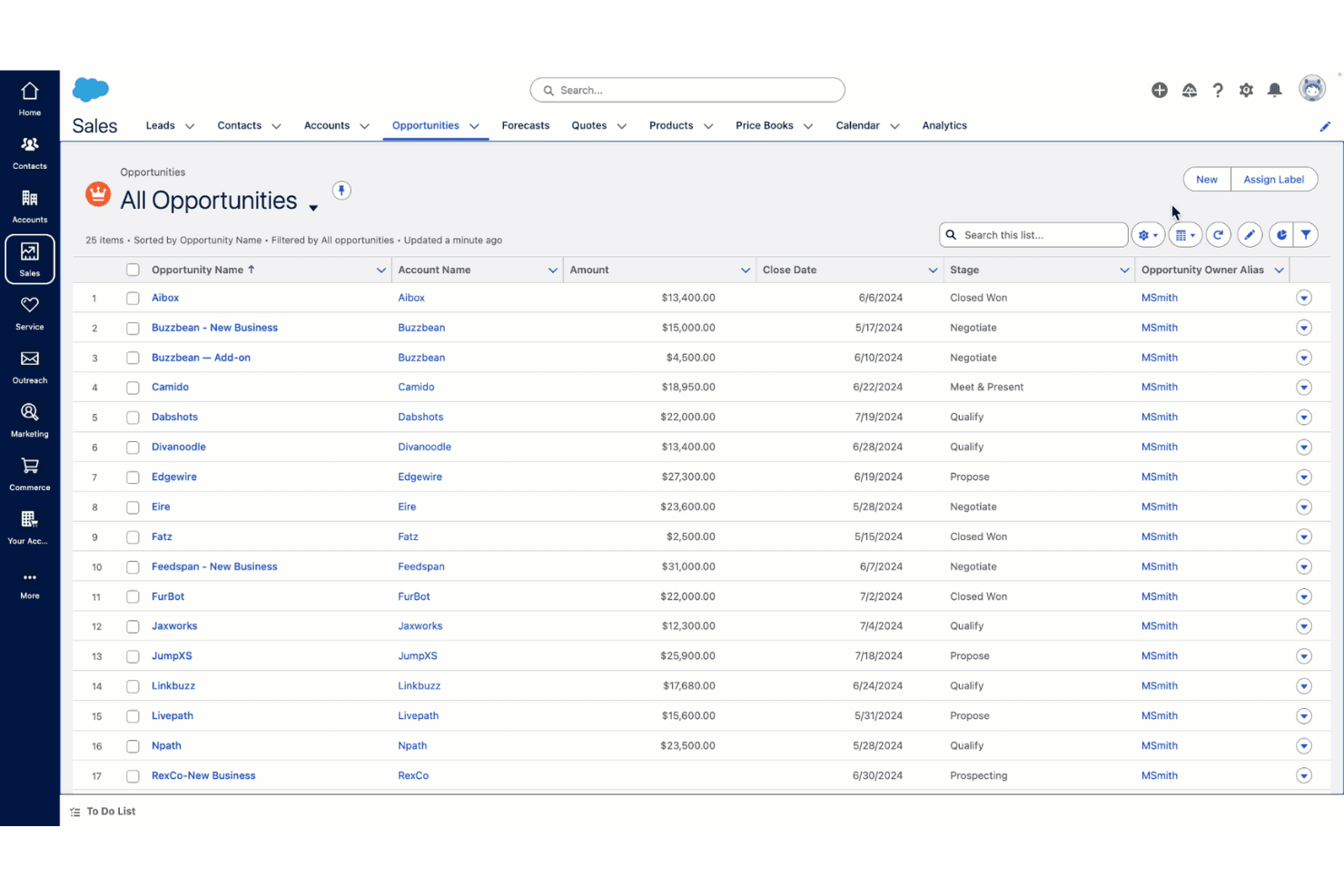
Core Features
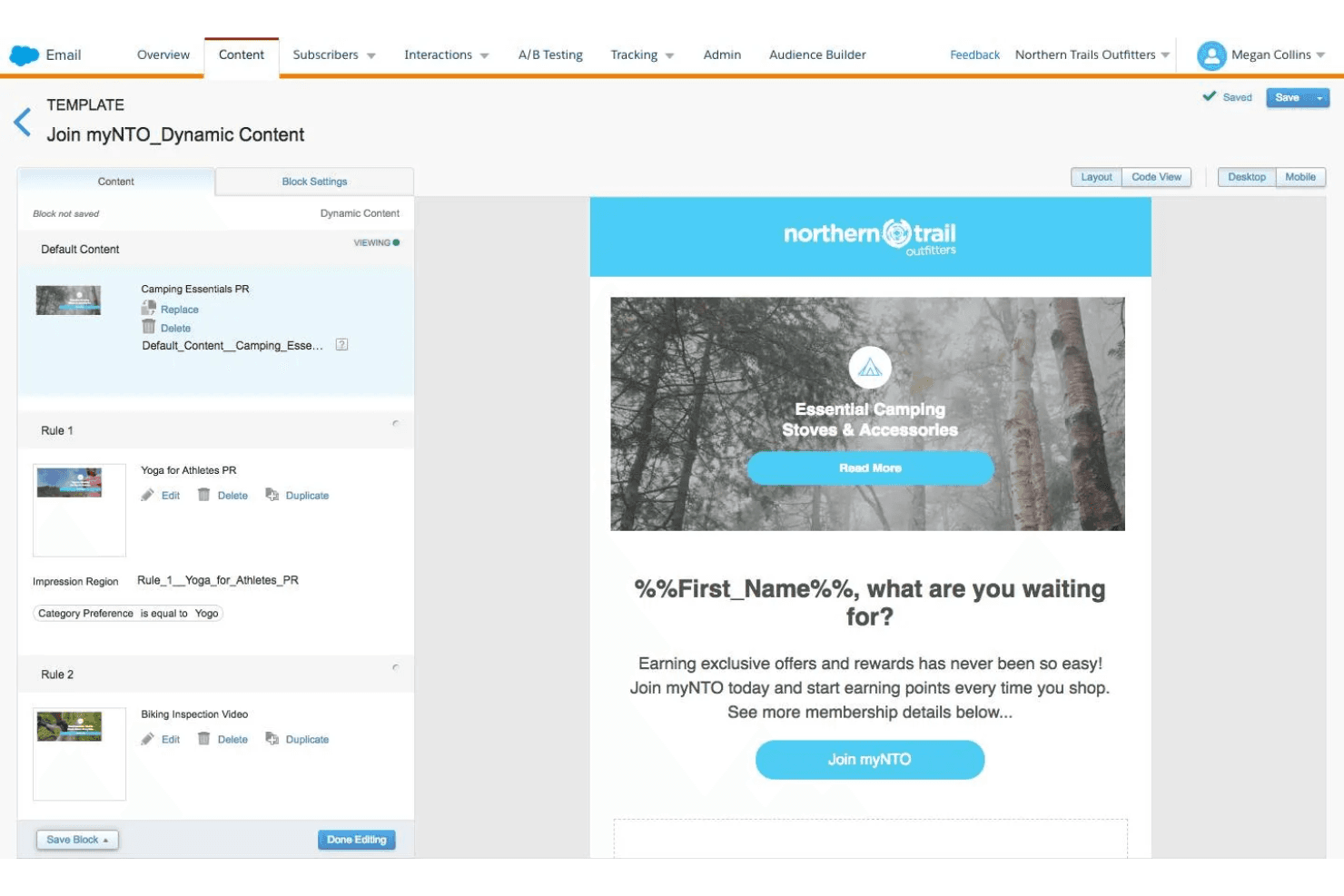
Email Marketing
Automate your email campaigns with personalized content and scheduling. It helps you engage customers effectively and boost open rates.
Lead Management
Track and manage your leads from capture to conversion. Your team can prioritize and nurture leads with ease.
Campaign Management
Plan, execute, and analyze your marketing campaigns across multiple channels in one place. It streamlines your workflow and enhances team collaboration.
Customer Segmentation
Segment your audience based on behavior, preferences, or demographics. This ensures your marketing efforts are targeted and relevant.
Analytics and Reporting
Get insights into your marketing performance with detailed reports. Data-driven decisions become a breeze for your team.
Social Media Integration
Manage your social media campaigns directly within the platform. It saves you time and keeps your messaging consistent across channels.
CRM Integration
Integrates marketing functions into the broader Salesforce ecosystem, offering a comprehensive view of customer interactions.
A/B Testing
Salesforce's A/B testing is robust, allowing for detailed experimentation to optimize campaign elements.
Ease of Use
Salesforce Marketing can be challenging to navigate, especially for new users. Its interface is packed with features that might overwhelm your team at first. However, once you get past the initial learning curve, its powerful tools and comprehensive capabilities become more intuitive. The customization options and automation features can greatly enhance your workflow, but you might need some time to fully leverage them. Patience and practice will pay off in making your marketing efforts more efficient.
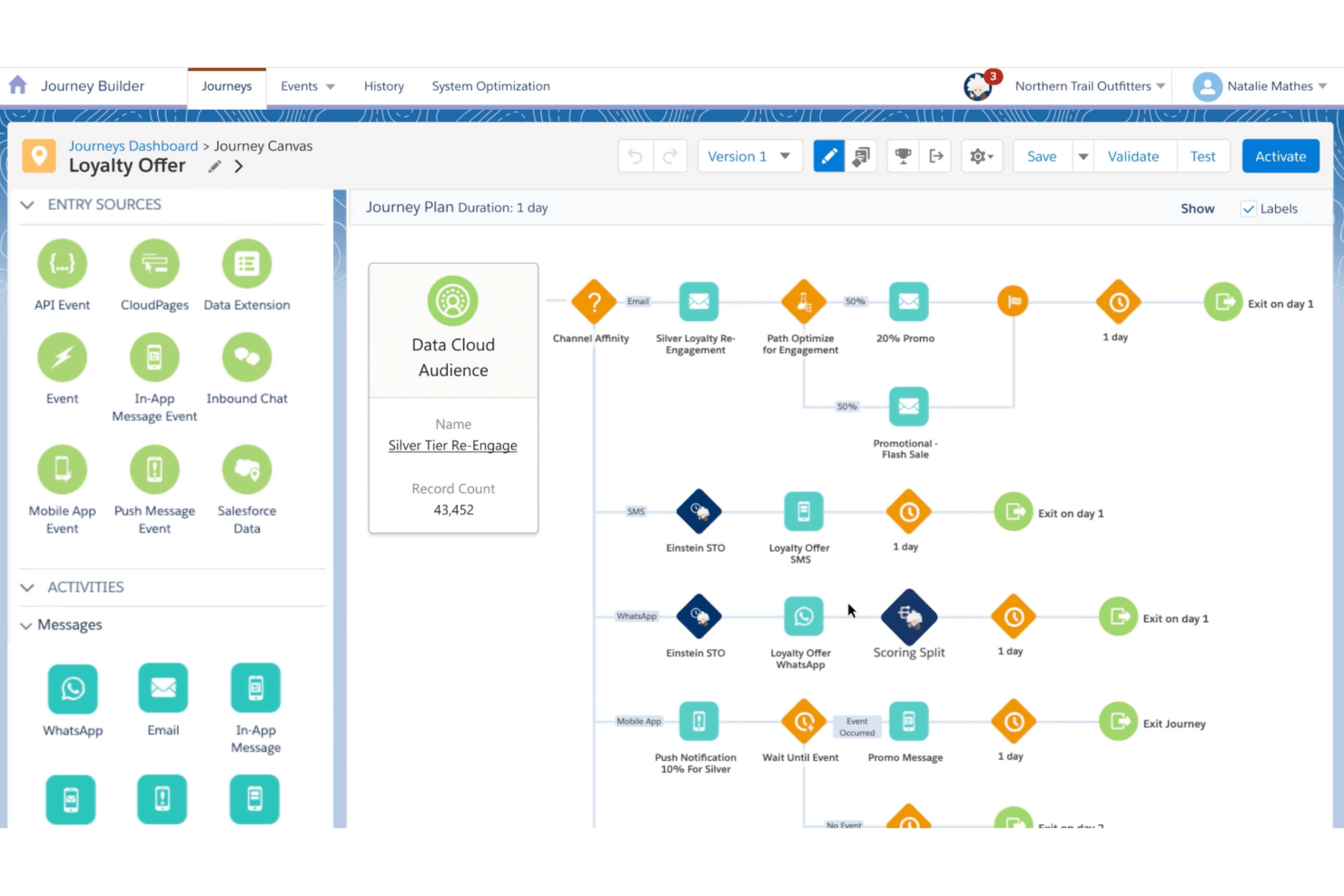
Integrations
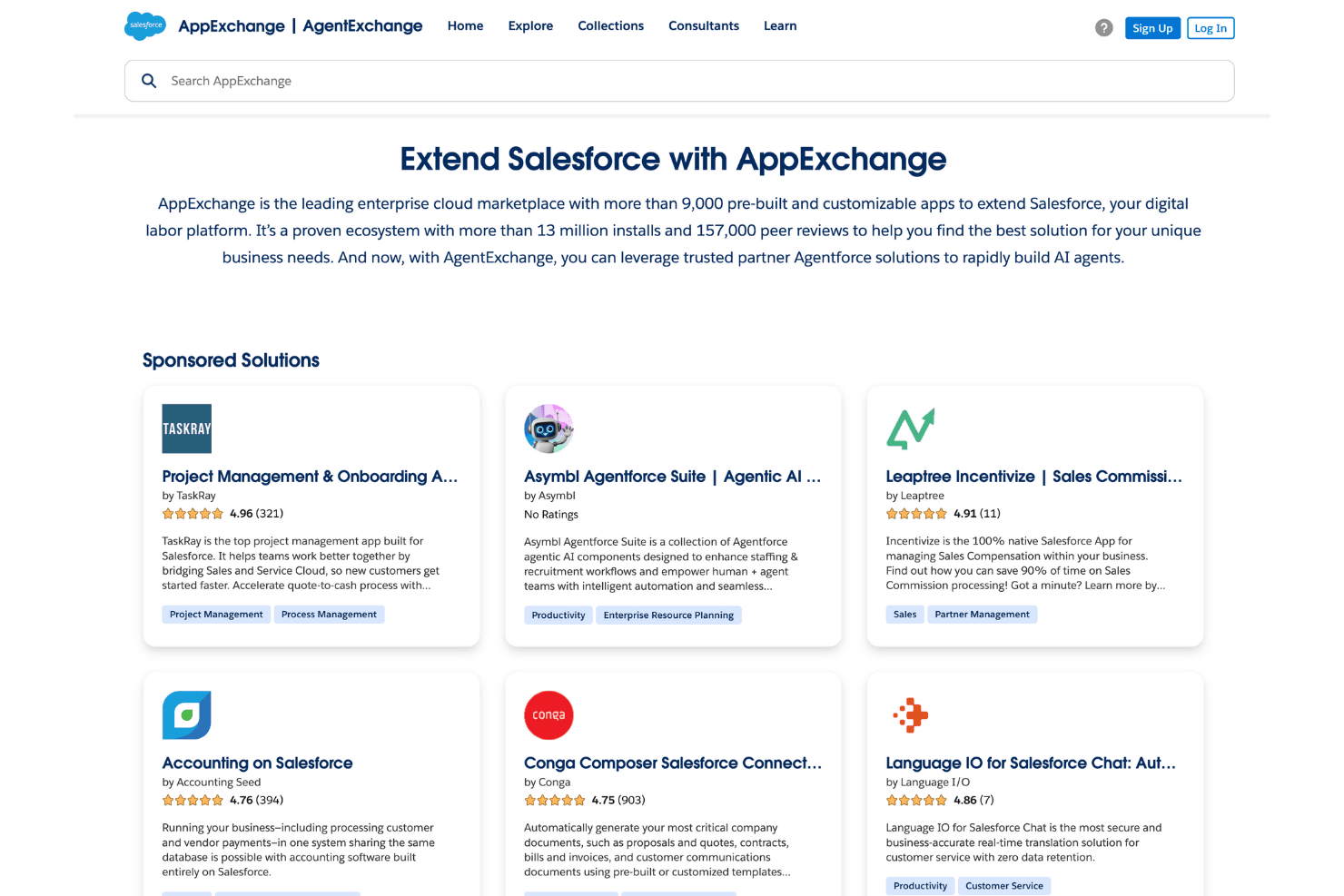
Integrations include Google BigQuery, Snowflake, Amazon Redshift, Google Campaign Manager 360, Line Ads, AppsFlyer, OneSignal, Customer.io, BigCommerce, Salesforce Commerce Cloud, Shopify, and MailChimp.
Salesforce Marketing Specs
- A/B Testing: Yes
- API: Yes
- Audience Targeting: Yes
- Brand Management: No
- Calendar Management: No
- Campaign Management: No
- Compliance Tracking: No
- Contact Management: Yes
- Contact Sharing: No
- Conversion Tracking: No
- CRM Integration: No
- Customer Management: Yes
- Dashboard: Yes
- Data Export: Yes
- Data Import: Yes
- Data Visualization: Yes
- Email Integration: Yes
- External Integrations: Yes
- Google Apps Integration: Yes
- Lead Management: Yes
- Lead Scoring: Yes
- Link Tracking: No
- Marketing Automation: Yes
- Multi-User: Yes
- Notifications: Yes
- Scheduling: No
- Social-Media Integration: Yes
- Third-Party Plugins/Add-Ons: No
Alternatives to Salesforce Marketing


Salesforce Marketing FAQs
E ora?
Per ulteriori consigli aggiornati sulle tendenze nel tuo settore, puoi iscriverti alla newsletter di The CRO Club. Ricevi aggiornamenti settimanali dagli esperti che danno una marcia in più alle tue attività di revenue operations.