
Recensione Copper CRM: Vantaggi, Svantaggi, Funzionalità e Prezzi
Copper CRM si distingue per l'integrazione impeccabile con G Suite, diventando la scelta ideale per i team che già utilizzano Google Workspace.

Recensiamo gli strumenti in modo indipendente e le commissioni aiutano a finanziare i nostri test. Consulta la nostra politica sulla trasparenza, la nostra metodologia o suggerisci uno strumento.
Copper CRM is a CRM software built natively inside Google Workspace. If your team runs on Gmail, Google Calendar, and Google Drive, Copper slots directly into those tools without requiring a separate tab or manual data entry. I'd consider it over something like HubSpot if your priority is keeping your team inside Google's ecosystem—Copper's native Gmail integration means reps can manage contacts, log activity, and move deals forward without ever leaving their inbox.
Copper CRM Evaluation Summary
4.5/5
- From $12/user/month
- 14-day free trial
Perché fidarsi dei nostri consigli sui software
6,700+
Reviews
20
Industry experts
16+
Evaluation factors
14
Years
Le nostre recensioni riflettono il nostro giudizio indipendente, non un discorso di vendita. Scopri come manteniamo la trasparenza.
Per questa guida, abbiamo valutato gli strumenti attraverso test pratici e ricerche indipendenti, assegnando un punteggio agli strumenti in base ai nostri criteri di selezione.
Le nostre recensioni riflettono il nostro giudizio editoriale umano, non un discorso di vendita.
Copper CRM Overview
In my opinion, Copper CRM is a solid choice if your team is deeply integrated with Google Workspace. The standout feature is its seamless integration with Google tools, which can save time and reduce friction for teams already using Gmail and Google Drive. While the platform's ease of use is commendable, its value for money might not be the best compared to other CRMs with more extensive features at similar price points. Copper CRM is best suited for small to medium-sized businesses or startups that prioritize Google integration and need a straightforward CRM solution. If you're in a larger organization or need advanced customization, you might find Copper's offerings somewhat limited.
Pros
- It integrates seamlessly with Google Workspace, making it easy for your team to manage communication.
- The user interface is intuitive, reducing the learning curve for your team.
- It offers strong automation features that can simplify your workflow.
Cons
- Customization options are limited compared to other CRMs.
- Reporting capabilities might not meet the needs of data-driven teams.
- It lacks some advanced features that larger organizations might require.
Is Copper CRM Right For Your Needs?
Who Would be a Good Fit for Copper CRM?
Copper CRM is a great fit for small to medium-sized businesses, especially startups and tech companies that already use Google Workspace. It simplifies your workflow with its intuitive design and seamless integration with Google tools like Gmail and Google Drive. Your sales and marketing teams will appreciate its automation features, which can save time and reduce manual tasks. If your team values ease of use and wants to maintain a close relationship with Google Workspace, Copper CRM can be a strong choice.
- Tech StartupsCopper CRM is ideal for tech startups using Google Workspace, providing seamless integration with Google tools.
- Small BusinessesFor small businesses, Copper CRM simplifies customer management with an easy-to-use interface and strong automation features.
- Sales TeamsSales teams benefit from Copper CRM's automation, reducing manual data entry and improving communication.
- Marketing DepartmentsMarketing departments find value in Copper CRM's ability to integrate with Google tools, enhancing collaboration and efficiency.
- Remote TeamsRemote teams thrive with Copper CRM's cloud-based access and integration with Google Workspace, enabling seamless collaboration.
- Project ManagementProject management teams use Copper CRM to streamline tasks with its intuitive interface and Google Drive integration.
Who Would be a Bad Fit for Copper CRM?
Copper CRM might not be the best fit for large enterprises or data-driven teams that require advanced customization and reporting. If your work involves complex data analysis or extensive customization, you may find Copper's features lacking. Industries like finance or healthcare, which often need robust reporting and compliance features, might struggle with its limitations. If your team doesn't rely heavily on Google Workspace, the integration benefits may not outweigh the drawbacks.
- Large EnterprisesLarge enterprises needing extensive customization and complex data analysis might find Copper CRM's features too limited.
- Finance IndustryThe finance industry, which demands advanced reporting and compliance, may struggle with Copper CRM's basic reporting capabilities.
- Healthcare SectorHealthcare teams requiring strict data compliance and robust reporting may find Copper CRM insufficient for their needs.
- Data-Driven TeamsData-driven teams needing advanced analytics will likely be disappointed by Copper CRM's limited reporting features.
- Manufacturing CompaniesManufacturing companies that need specialized CRM features for supply chain management may find Copper CRM lacking.
- Legal DepartmentsLegal departments needing detailed document management and compliance features might find Copper CRM unsuitable.
Come Testiamo e Valutiamo gli Strumenti
Abbiamo trascorso anni a costruire, perfezionare e migliorare il nostro sistema di valutazione e test dei software. Il nostro metodo è pensato per cogliere le sfumature della selezione software e ciò che rende uno strumento efficace, concentrandosi sugli aspetti critici del processo decisionale. Qui sotto puoi vedere esattamente come funzionano i nostri test e la valutazione sui sette criteri. Ci permette di fornire una valutazione imparziale del software in base alla funzionalità principale, alle caratteristiche distintive, facilità d’uso, onboarding, assistenza clienti, integrazioni, recensioni degli utenti e rapporto qualità-prezzo.
Funzionalità Principali (25% del punteggio finale)
Il punto di partenza per la nostra valutazione è sempre la funzionalità di base dello strumento. Possiede le caratteristiche e le funzioni che un utente si aspetterebbe di trovare? Alcune di queste funzioni di base sono limitate ai piani tariffari più costosi? Per noi uno strumento deve almeno essere alla pari con le capacità minime offerte dai concorrenti.
Caratteristiche Distintive (25% del punteggio finale)
Successivamente, valutiamo le funzionalità insolite o esclusive che vanno oltre le funzioni core normalmente presenti in strumenti simili. Un punteggio elevato riflette una presenza di caratteristiche particolari o uniche che rendono il prodotto più veloce, efficace o danno un valore aggiunto all’utente. Valutiamo anche la facilità di integrazione con altri strumenti tipici del tech stack per espanderne funzionalità e utilità. Gli strumenti che offrono numerose integrazioni native, connessioni di terze parti e accesso API per costruire integrazioni personalizzate ottengono i punteggi migliori.
Facilità d’Uso (10% del punteggio finale)
Consideriamo quanto sia rapido e intuitivo svolgere le attività fondamentali tramite lo strumento. I software con i punteggi più alti hanno un design ben pensato, sono intuitivi, offrono app mobili, forniscono modelli predefiniti e semplificano anche le attività più complesse.
Onboarding (10% del punteggio finale)
Sappiamo quanto sia importante che un nuovo strumento venga rapidamente adottato dal team, quindi valutiamo la facilità di apprendimento con un minimo di formazione. Valutiamo quanto velocemente un membro del team può iniziare a usare lo strumento senza esperienza. Le soluzioni con i punteggi più alti richiedono poco o nessun supporto iniziale.
Assistenza Clienti (10% del punteggio finale)
Analizziamo quanto sia facile e veloce risolvere problemi e ricevere assistenza tramite telefono, chat dal vivo o knowledge base. Gli strumenti e le aziende che offrono supporto in tempo reale ottengono i punteggi migliori, mentre i chatbot ottengono i peggiori.
Recensioni dei Clienti (10% del punteggio finale)
Oltre ai nostri test, consideriamo il net promoter score da clienti attuali e passati. Valutiamo la probabilità che gli utenti sceglierebbero nuovamente lo strumento per le funzionalità principali. Un punteggio elevato riflette un alto net promoter score da parte dei clienti.
Rapporto Qualità-Prezzo (10% del punteggio finale)
Infine, considerando tutti gli altri criteri, esaminiamo il prezzo medio dei piani base rispetto alle funzionalità principali e agli altri fattori valutativi. I software che offrono di più a un costo inferiore ottengono un punteggio più alto.
Core Features
Contact Management: Copper CRM lets you manage your contacts easily, storing all your customer information in one place. This helps your team stay organized and ensures quick access to important details.
Task Automation: Automate repetitive tasks like follow-ups, email sequences, and reminders, freeing up your team's time for more important work.
Sales Pipeline: Visualize your sales process with Copper CRM's pipeline feature, allowing your team to track deals and progress in real-time. It helps you prioritize tasks and close deals faster.
Email Tracking: Keep track of all your email interactions directly within Copper CRM. This feature ensures you don't miss any important communication with your clients.
Lead Management: Capture and manage new leads efficiently, helping your team focus on converting them into customers. It provides a clear path from prospect to customer.
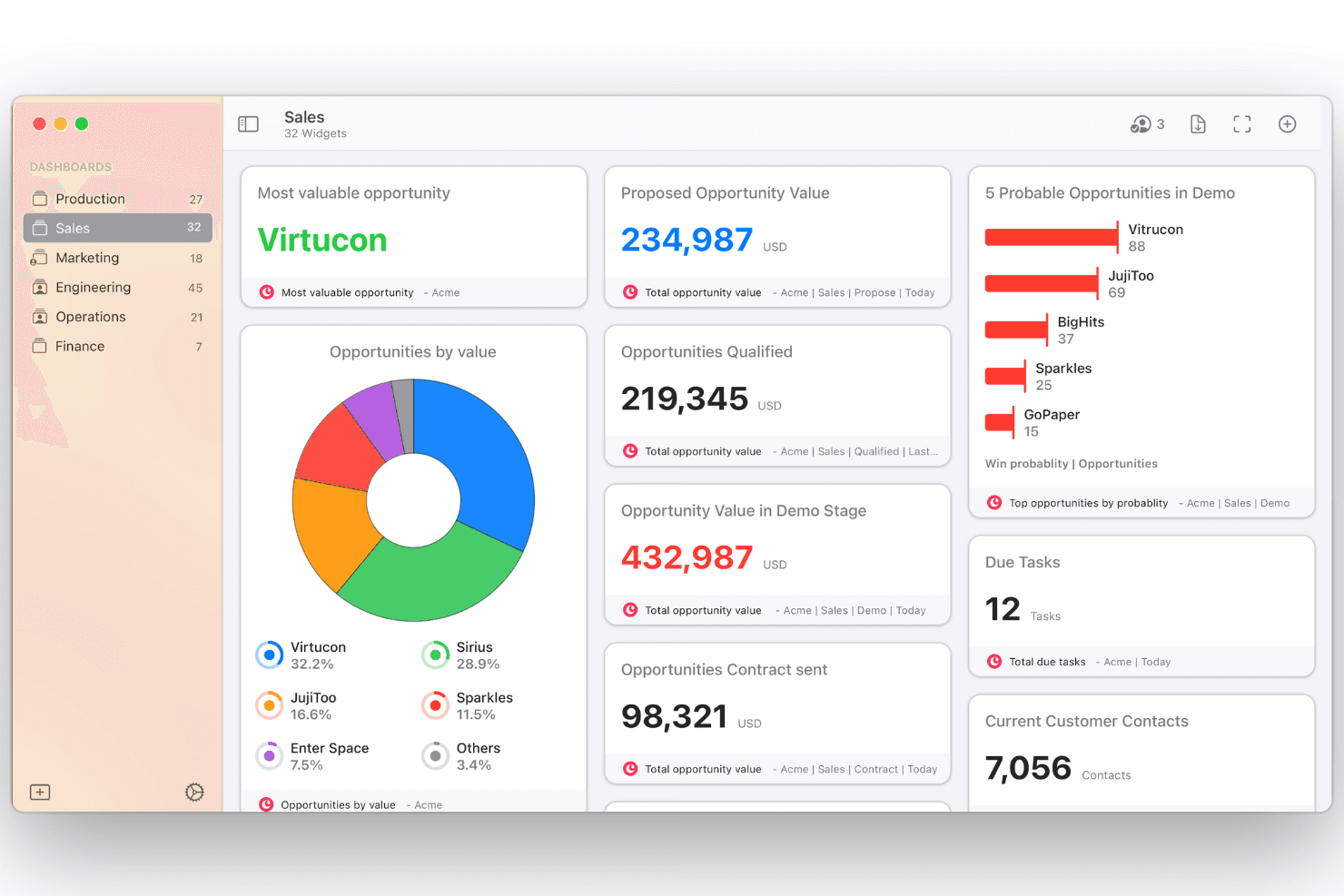
Reporting: Generate reports and view interactive dashboards to gain insights into your sales performance and productivity. This feature helps you make informed decisions.
Ease of Use
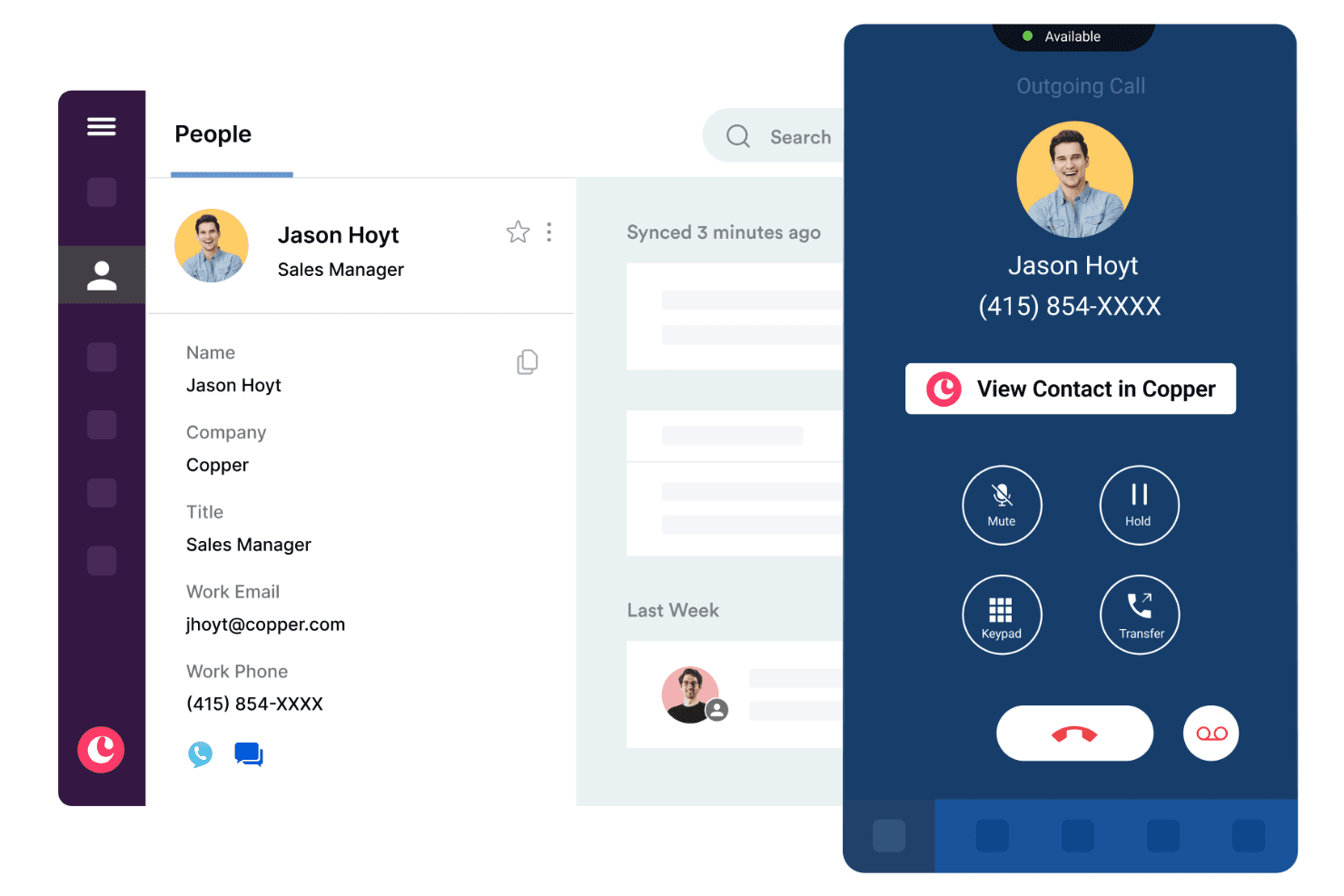
Copper CRM is user-friendly, making it easy for your team to get started quickly. The intuitive interface and seamless integration with Google Workspace mean you won't waste time learning complicated systems. You can also manage contacts, tasks, and deals through Copper CRM’s mobile app, making it easy for your team to stay productive while working remotely or on the go. Users appreciate how Copper CRM simplifies workflow without overwhelming them with unnecessary features. If your work relies on Google tools, you'll find Copper CRM's ease of use particularly beneficial.
Integrations
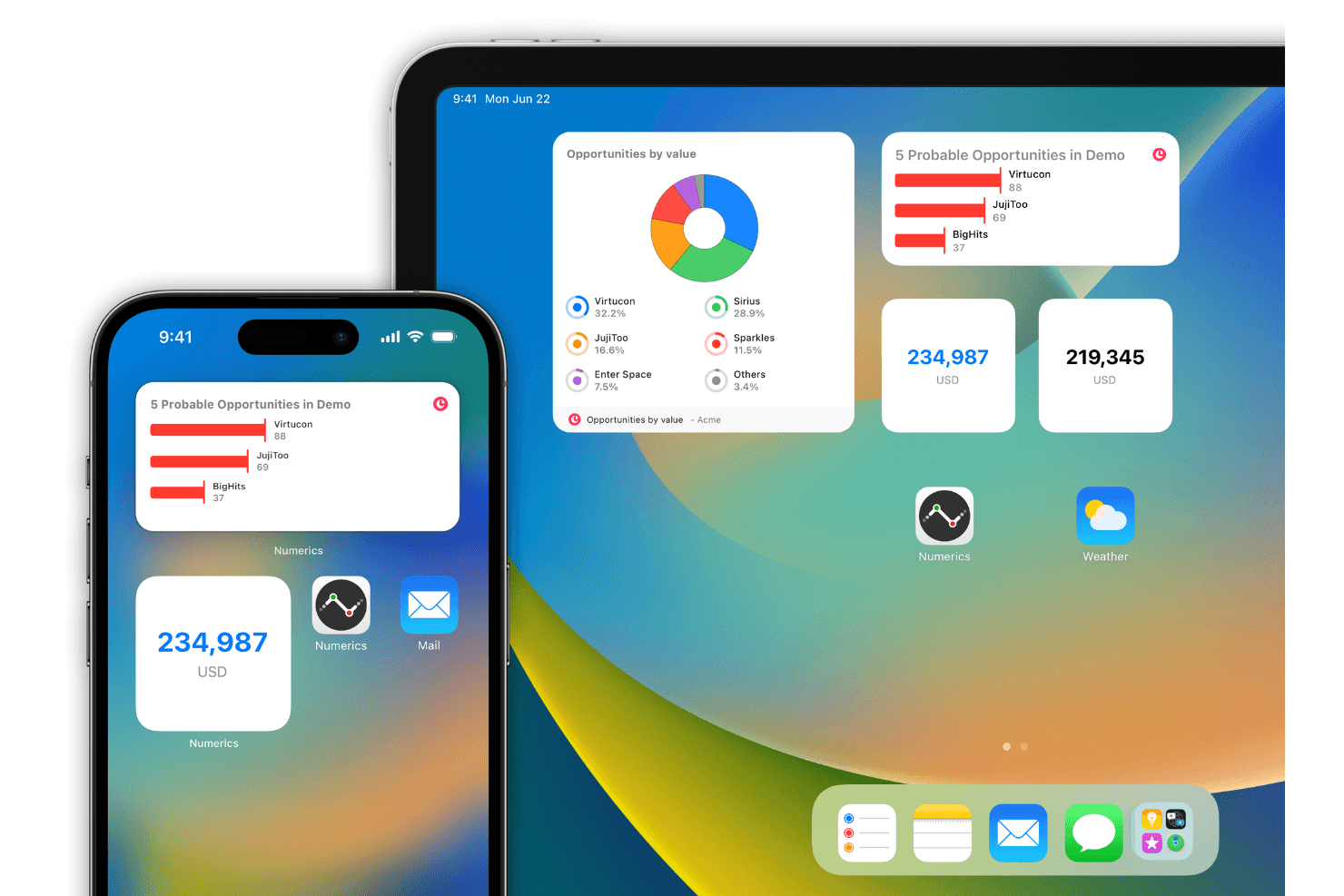
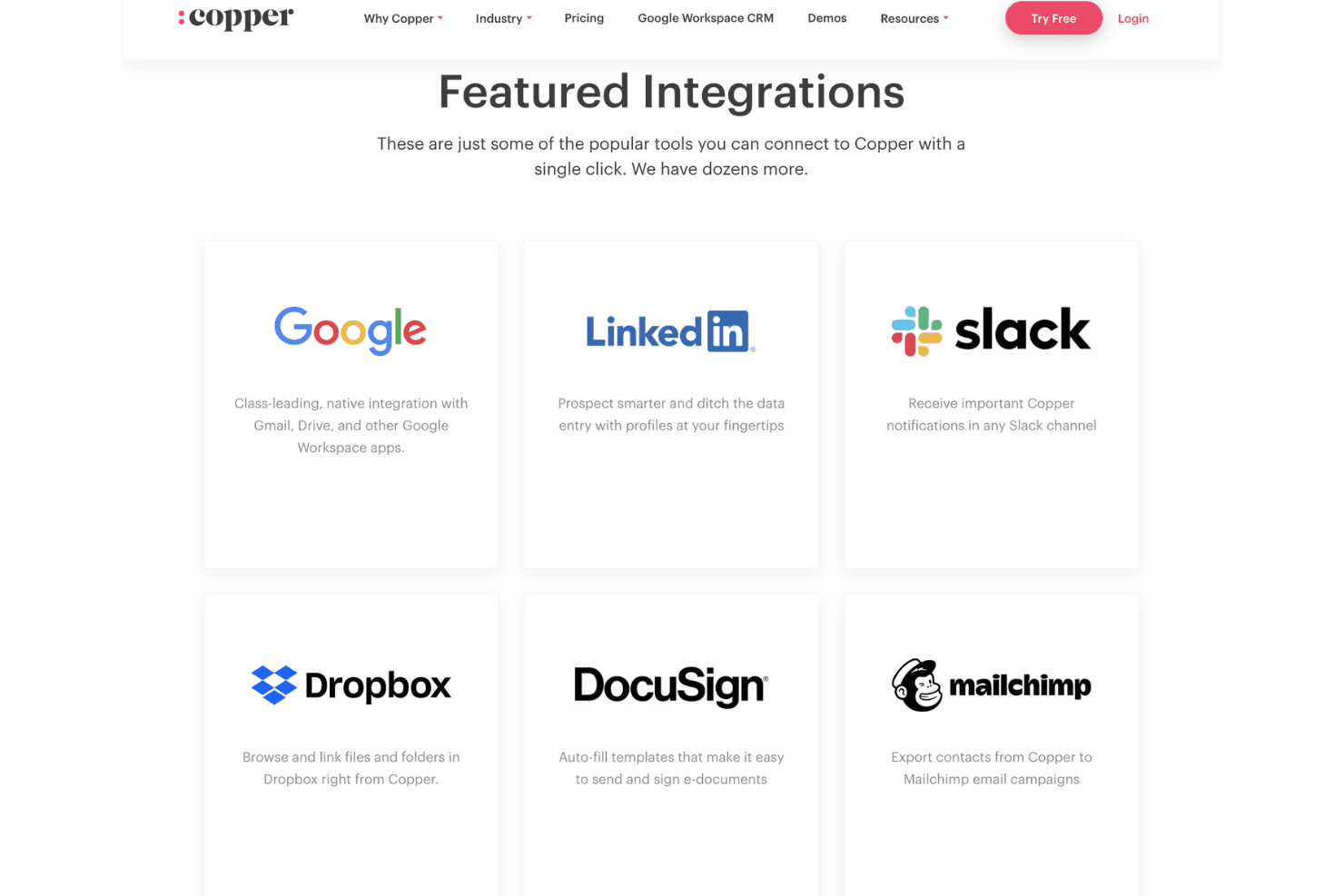
Copper CRM integrates with Gmail, Google Calendar, Google Drive, Mailchimp, Google Sheets, LinkedIn, Zapier, RingCentral, Slack, and QuickBooks.
Copper CRM also has an API and connects with third-party integration tools that sync with other CRM systems like Hubspot and Salesforce.
Copper CRM Specs
- API: Yes
- Data Export: Yes
- Data Import: Yes
- External Integrations: Yes
- Multi-User: Yes
- Notifications: Yes
- Project Management: Yes
- SAP Integration: Yes
- Third-Party Plugins/Add-Ons: Yes