

I 10 migliori software per la determinazione dei prezzi con IA recensiti nel 2026

Selezione dei migliori software di determinazione dei prezzi basati sull'IA


Nel mondo frenetico delle operazioni sui ricavi, le strategie di determinazione dei prezzi possono determinare il successo o il fallimento dei tuoi profitti. Probabilmente ti trovi a dover gestire una domanda di mercato variabile e analisi di dati complesse. È qui che entra in gioco il software di determinazione dei prezzi basato sull'IA, offrendo soluzioni intelligenti e basate sui dati alle tue sfide.
Gli strumenti di IA possono aiutare te e il tuo team a prendere decisioni informate sui prezzi, ottimizzare i ricavi e mantenere un vantaggio sulla concorrenza. Nella mia esperienza, questi strumenti forniscono informazioni preziose e automatizzano le attività ripetitive, liberando il tuo tempo per la pianificazione strategica.
In questo articolo condividerò le mie migliori scelte tra i software di determinazione dei prezzi basati sull'IA, concentrandomi sulle loro capacità distintive e sui vantaggi che possono offrire alla tua azienda. Scopriamo come queste soluzioni di IA possono trasformare le tue strategie di determinazione dei prezzi.
Perché fidarsi dei nostri consigli sui software
Le nostre recensioni riflettono il nostro giudizio indipendente, non un discorso di vendita. Scopri come manteniamo la trasparenza.
Per questa guida, abbiamo valutato gli strumenti attraverso test pratici e ricerche indipendenti, assegnando un punteggio agli strumenti in base ai nostri criteri di selezione.
Le nostre recensioni riflettono il nostro giudizio editoriale umano, non un discorso di vendita.
Tabella comparativa dei software di determinazione dei prezzi basati sull'IA
Questa tabella comparativa riassume i dettagli sui prezzi delle mie migliori selezioni di software di determinazione dei prezzi basati sull’IA:
| Tool | Best For | Trial Info | Price | ||
|---|---|---|---|---|---|
| 1 | Ideale per analisi avanzate dei prezzi | Nessuna prova gratuita disponibile | Prezzi su richiesta | Website | |
| 2 | Megliore con regole di pricing multibuy automatizzate | Demo gratuita disponibile | Prezzo su richiesta | Website | |
| 3 | Ideale per processi di approvazione delle trattative centralizzati | Demo gratuita disponibile | Prezzi su richiesta | Website | |
| 4 | Ideale per rivenditori omnicanale | Demo gratuita disponibile | Da €399/mese | Website | |
| 5 | Ideale per monitoraggio dei prezzi a livello globale | Demo gratuita disponibile | Prezzo su richiesta | Website | |
| 6 | Ideale per aziende e-commerce | Demo gratuita disponibile | Prezzo su richiesta | Website | |
| 7 | Ideale per la definizione dinamica dei prezzi in ambito B2B | Demo gratuita disponibile | Prezzo su richiesta | Website | |
| 8 | Ideale per test di scenario e simulazione dei prezzi | Demo gratuita disponibile | Prezzi su richiesta | Website | |
| 9 | Ideale per la governance dei prezzi basata su intelligenza artificiale | Demo gratuita disponibile | Prezzo su richiesta | Website | |
| 10 | Ideale per soluzioni di pricing B2B enterprise | Demo gratuita + prova gratuita di 14 giorni disponibile | Prezzo su richiesta | Website |
Recensioni dei migliori software di determinazione dei prezzi basati sull'IA
Di seguito sono riportati i miei riepiloghi dettagliati dei migliori software di determinazione dei prezzi basati sull’IA inclusi nella mia selezione. Le mie recensioni offrono uno sguardo approfondito alle funzionalità principali, ai pro e ai contro, alle integrazioni e ai casi d’uso ideali di ogni strumento, per aiutarti a trovare quello più adatto a te.

Ideale per analisi avanzate dei prezzi
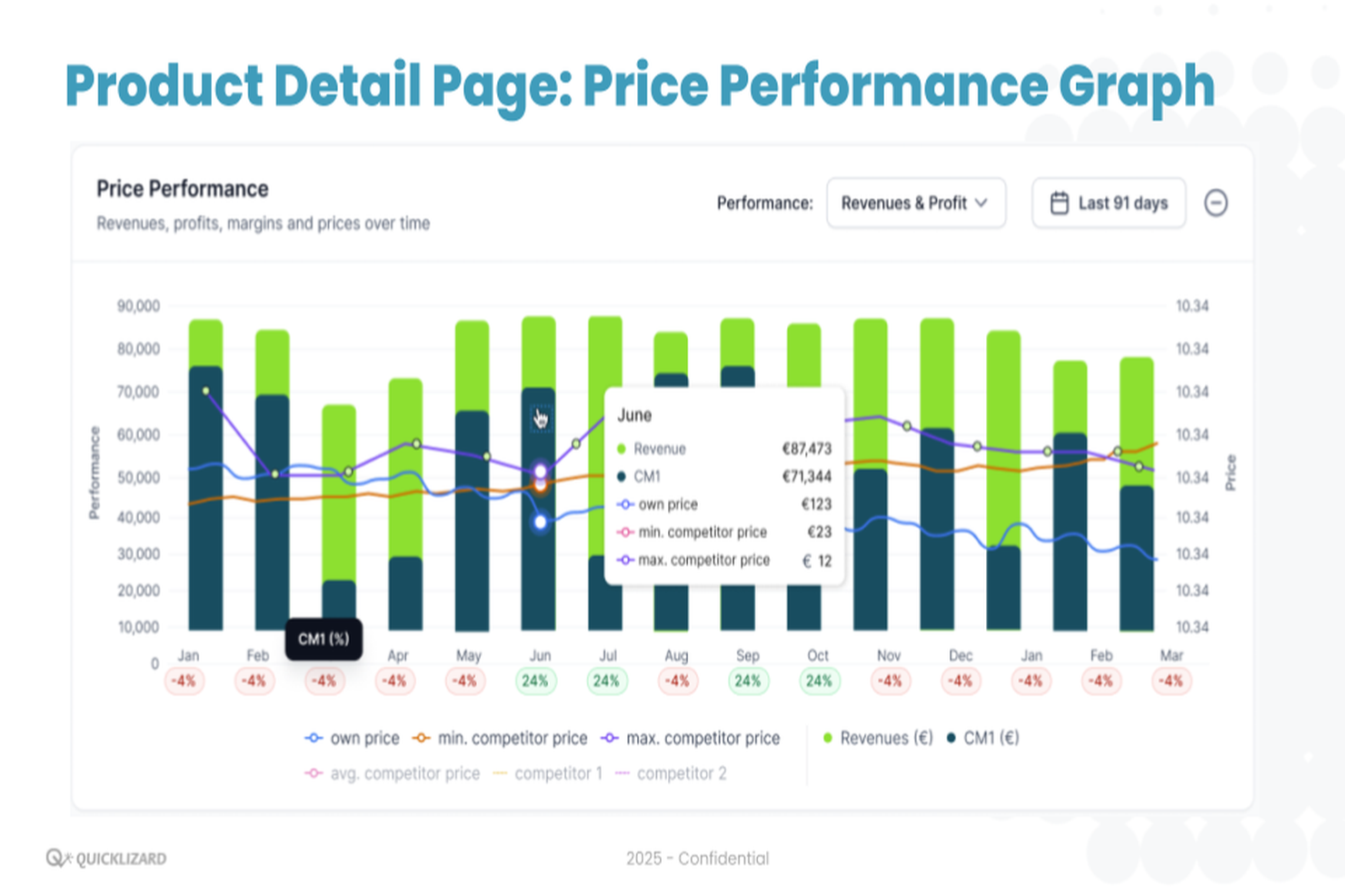
Quicklizard è un software di pricing dinamico basato sull'intelligenza artificiale, progettato per offrire a rivenditori e marchi direct-to-consumer (DTC) la possibilità di ottimizzare le proprie strategie di prezzo. È ideale per le aziende che mirano a trasformare il pricing in un vantaggio competitivo, offrendo integrazione dei dati in tempo reale e analisi avanzate per adattarsi rapidamente ai cambiamenti di mercato. Concentrandosi sulla comprensione dell'elasticità del prezzo e sulla perfetta integrazione dei sistemi, Quicklizard aiuta le imprese ad aumentare la crescita dei ricavi e l'efficienza operativa.
Perché ho scelto Quicklizard
Ho scelto Quicklizard per il suo forte orientamento verso le analisi di pricing avanzate e l'integrazione dei dati in tempo reale, elementi fondamentali per qualsiasi software di pricing basato su IA. La sua capacità di prevedere la domanda e analizzare i concorrenti fornisce al tuo team le informazioni necessarie per prendere decisioni informate sui prezzi. Apprezzo come Quicklizard classifichi i prodotti in Key Value Items (KVI) e Generator di Profitto, adattando le strategie di prezzo per massimizzare la redditività. Questo approccio si allinea alle esigenze delle aziende che intendono migliorare la propria maturità e competitività nella definizione dei prezzi.
Funzionalità principali di Quicklizard
Oltre alle sue robuste capacità analitiche, Quicklizard offre diverse altre funzionalità che ne aumentano il valore:
- Raccomandazioni basate su IA: Offre suggerimenti attuabili per ottimizzare le strategie di prezzo in diverse condizioni di mercato.
- Allineamento omnicanale: Garantisce strategie di prezzo coerenti su vari canali di vendita, migliorando l'esperienza del cliente e la fiducia nel marchio.
- Segmentazione dei prodotti: Permette una categorizzazione dettagliata dei prodotti, consentendo strategie di prezzo su misura per diversi gruppi di articoli.
- Piattaforma intuitiva: Propone un'interfaccia semplice che supporta strategie di prezzo diversificate, risultando accessibile a team di tutte le dimensioni.
Integrazioni di Quicklizard
Le integrazioni includono sistemi ERP, piattaforme CRM, piattaforme e-commerce e altro ancora, permettendoti di incorporare Quicklizard facilmente nell'infrastruttura aziendale già esistente.
Pros and Cons
Pros:
- Regolazioni dei prezzi in tempo reale tramite IA
- Strumenti di analisi predittiva avanzata
- Solide integrazioni ERP e CRM
Cons:
- Prezzi disponibili solo su richiesta
- Trasparenza pubblica delle funzionalità limitata

Yieldigo
Megliore con regole di pricing multibuy automatizzate
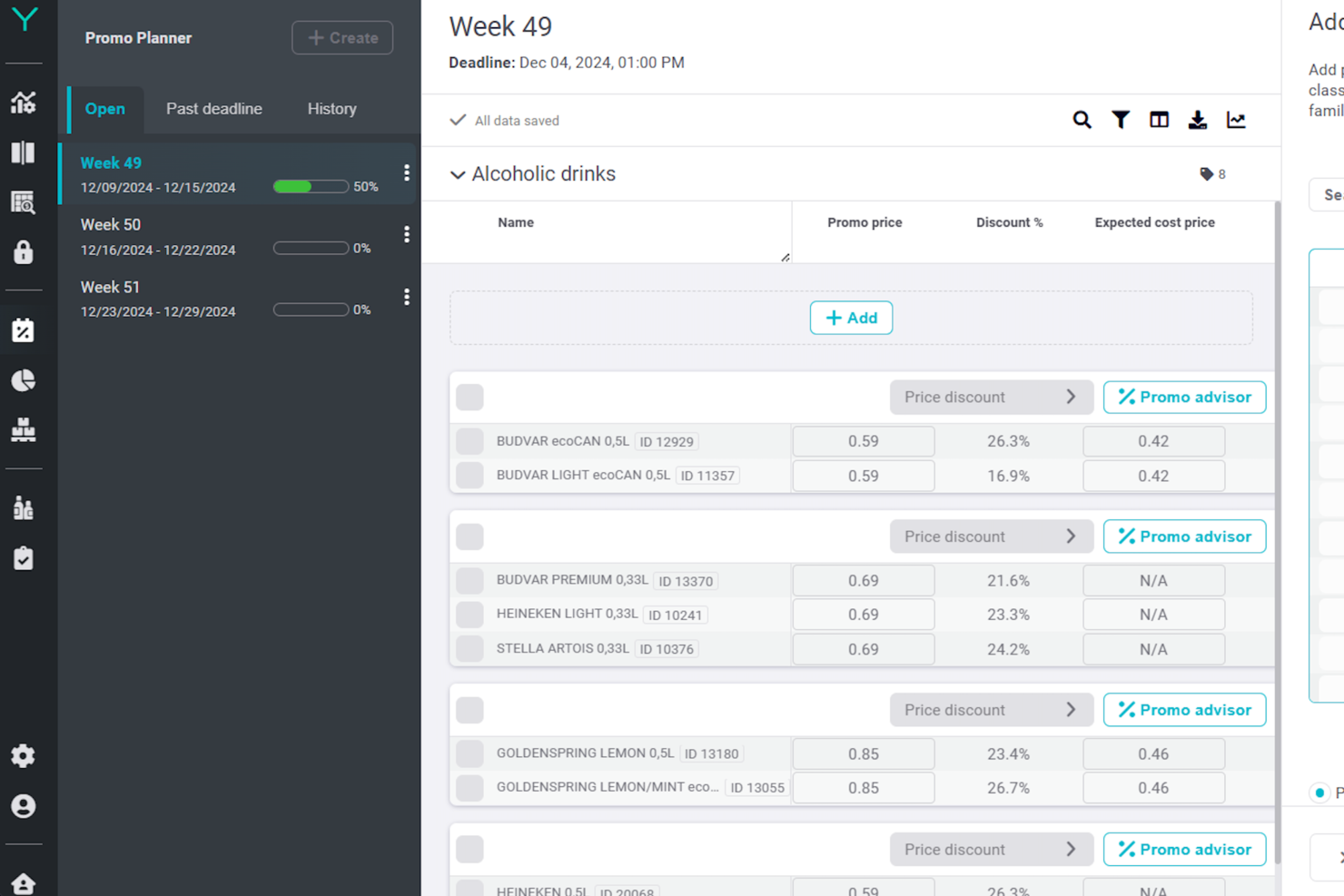
Yieldigo offre un software di pricing basato sull'IA pensato per rivenditori e aziende di beni di consumo che desiderano ottimizzare strategie di prezzo complesse. La piattaforma aiuta i team di pricing ad automatizzare le decisioni, gestire le promozioni e adattarsi alle variazioni delle condizioni di mercato. Se hai bisogno di un'ottimizzazione avanzata dei prezzi che vada oltre la semplice definizione di regole di base, Yieldigo porta la scienza dei dati e l'automazione nel tuo processo di pricing.
Per chi è ideale Yieldigo?
Yieldigo è una soluzione ideale per i team di pricing nel settore retail e beni di consumo che necessitano di strumenti basati sull'IA per gestire strategie di prezzo complesse su ampi assortimenti di prodotti.
Perché ho scelto Yieldigo
Per i team focalizzati sull'ottimizzazione delle promozioni multibuy, Yieldigo si distingue grazie alle sue regole automatizzate di pricing multibuy. Ho scelto Yieldigo perché permette di configurare e gestire offerte multibuy complesse, come “prendi due, paghi uno” o sconti a livelli, direttamente all'interno del suo motore di pricing guidato dall'IA. La piattaforma utilizza il machine learning per simulare l'impatto di queste promozioni su vendite e margini, così puoi vedere l'effetto reale prima del lancio. Questo livello di automazione e modellazione degli scenari è particolarmente prezioso per i rivenditori che realizzano frequentemente campagne multibuy o di ampia portata.
Caratteristiche principali di Yieldigo
Altre funzionalità che supportano la gestione avanzata del pricing in Yieldigo includono:
- Simulazione dei prezzi con IA: Testa diversi scenari di prezzo e visualizza i risultati previsti prima di apportare modifiche effettive.
- Monitoraggio dinamico dei prezzi della concorrenza: Tieni traccia in tempo reale dei prezzi dei concorrenti e adatta di conseguenza le tue strategie di prezzo.
- Gestione dei flussi di approvazione: Imposta processi di approvazione multilivello per le variazioni di prezzo, garantendo conformità e controllo.
- Dashboard di analisi in tempo reale: Accedi a metriche di performance aggiornate e analisi dei prezzi tramite dashboard personalizzabili.
- Configurazione delle impostazioni a livello di modulo: Configura il comportamento e i controlli dei prezzi a livello di modulo per adattare meglio il sistema ai tuoi processi interni.
Integrazioni Yieldigo
Le integrazioni includono Microsoft e Yieldigo offre anche un'API per integrazioni personalizzate con sistemi ERP, POS e data warehouse.
Pros and Cons
Pros:
- Offre monitoraggio dei prezzi dei concorrenti in tempo reale
- Include simulazione degli scenari per strategie di prezzo
- Previsioni della domanda e analisi basate sull'IA
Cons:
- Per i migliori risultati è necessario un significativo input di dati
- La personalizzazione potrebbe richiedere il supporto del fornitore
New Product Updates from Yieldigo

Yieldigo Adds Export Scheduling and Promotions Overview
Yieldigo adds export scheduling with exclusion periods and a Promotions Overview for product-level promotion timelines. These updates improve pricing operations and promotion visibility. For more information, visit Yieldigo’s official site.
 .
.
Ideale per processi di approvazione delle trattative centralizzati
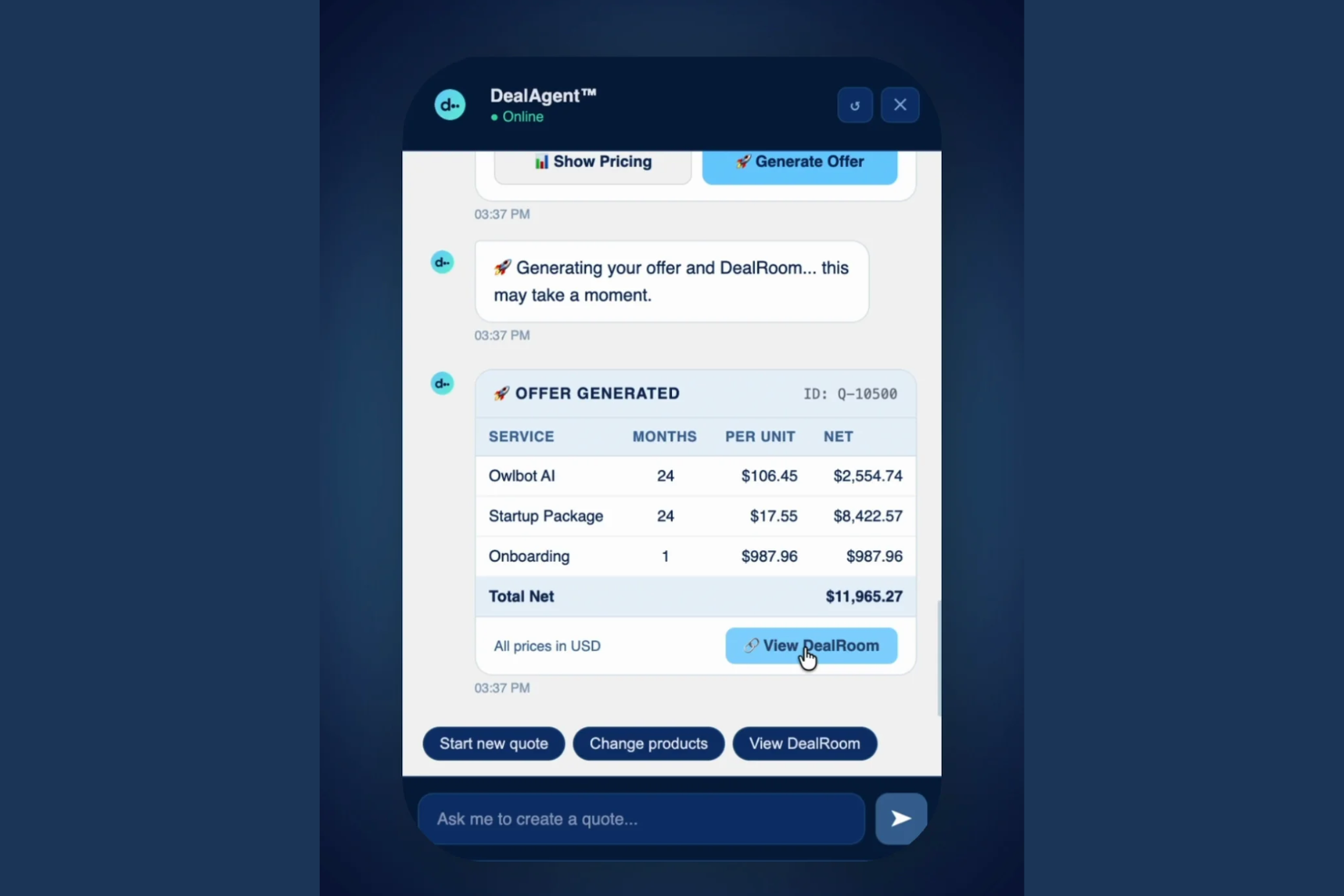
DealHub AI è una piattaforma CPQ e di gestione dei ricavi che utilizza l'intelligenza artificiale per guidare i venditori attraverso la configurazione dei prezzi, la generazione di preventivi, la gestione dei contratti e le approvazioni delle trattative all'interno di un unico flusso di lavoro integrato.
Per chi è più indicato DealHub AI?
DealHub AI è particolarmente adatto ai team di vendita B2B di aziende di fascia media e enterprise che gestiscono trattative complesse e articolate, con prezzi configurabili.
Perché ho scelto DealHub AI
Ho inserito DealHub AI nella mia shortlist perché la sua funzionalità di deal desk unifica i flussi di approvazione, le eccezioni di prezzo e le conferme interne in un unico luogo. Mi piace che sia possibile configurare catene di approvazione multilivello in base alla dimensione dell'accordo, all'ampiezza dello sconto o al tipo di prodotto, in modo che le persone giuste siano coinvolte automaticamente. Nella pratica, il mio team è in grado di tracciare esattamente dove un affare è bloccato nella coda di approvazione, riducendo così lo scambio di comunicazioni che solitamente rallenta la chiusura delle trattative.
Caratteristiche principali di DealHub AI
- DealRoom: Crea uno spazio digitale condiviso in cui acquirenti e venditori possono visualizzare le proposte, lasciare commenti e monitorare i prossimi passi in tempo reale.
- Motore CPQ: Configura i prodotti e genera preventivi accurati utilizzando una logica basata su regole che tiene conto delle dipendenze tra prodotti e delle restrizioni di prezzo.
- Generazione automatica dei contratti: Trasforma i preventivi approvati direttamente in contratti senza dover reinserire manualmente i dati o ricreare i documenti.
- Piano di azione reciproca: Costruisci un piano di chiusura condiviso con monitoraggio delle tappe visibile sia al tuo team che al cliente.
Integrazioni di DealHub AI
Le integrazioni includono Salesforce, HubSpot, Microsoft Dynamics 365, NetSuite ERP, QuickBooks, Sage Intacct, Stripe, Avalara, DocuSign e Slack.
Pros and Cons
Pros:
- I playbook di vendita guidata garantiscono la corretta generazione dei preventivi
- I flussi di approvazione mettono in evidenza la visibilità degli sconti
- Supporta modelli basati sull'utilizzo e su abbonamento
Cons:
- I report sulle tendenze dei preventivi sono limitati
- L'interfaccia di amministrazione può risultare complessa inizialmente
New Product Updates from DealHub AI

DealHub AI Expands Bundle Attribute Automation
DealHub AI introduces Assignment Rules for child proposal attributes and numeric aggregation for bundles. These updates give admins more control over bundle attribute automation and configuration. For more information, visit DealHub’s official site.
 .
.
Ideale per rivenditori omnicanale
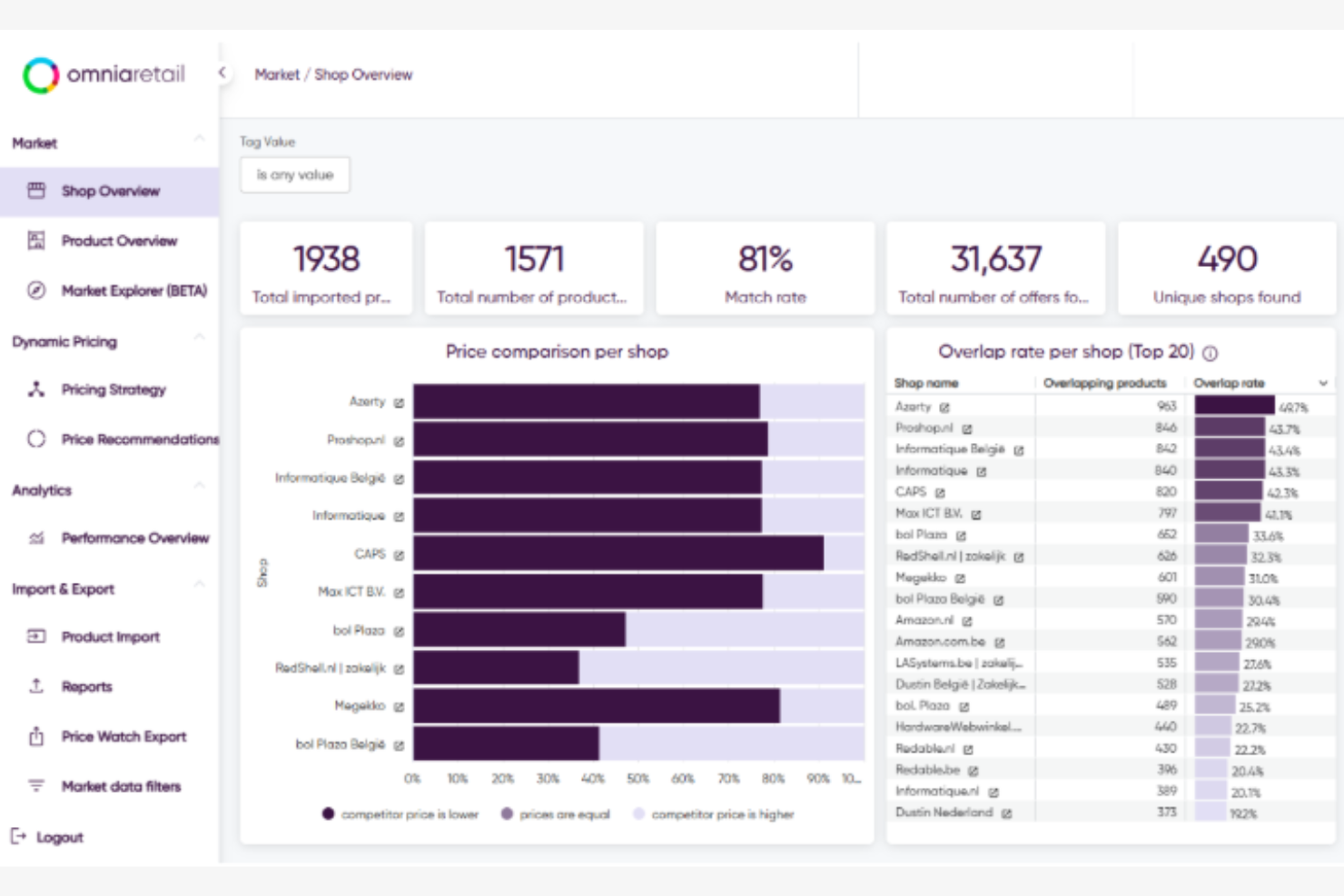
Omnia Retail è una soluzione software per la gestione dei prezzi rivolta ai rivenditori che desiderano gestire i prezzi su più canali. I suoi strumenti basati su intelligenza artificiale aiutano le aziende ad adattare dinamicamente i prezzi in base alle condizioni di mercato e al comportamento dei clienti.
Perché ho scelto Omnia Retail: È particolarmente indicato per la gestione dei prezzi omnicanale, permettendo al tuo team di mantenere la coerenza su diverse piattaforme di vendita. Il motore di determinazione dei prezzi guidato dall'IA adatta i prezzi in tempo reale, garantendo competitività. Puoi sfruttare le intuizioni sui prezzi per prendere decisioni informate e su misura per ciascun canale. La capacità dello strumento di automatizzare i compiti di pricing ti aiuta a risparmiare tempo e a ridurre gli errori manuali.
Funzionalità principali e integrazioni:
Funzionalità includono la determinazione dinamica dei prezzi, che assicura che i tuoi prezzi restino competitivi su tutti i canali. Lo strumento di analisi dei prezzi offre raccomandazioni basate sui dati per strategie di pricing efficaci. Le attività di pricing automatizzate aiutano a ridurre gli errori manuali e a far risparmiare tempo al tuo team.
Integrazioni includono Shopify, Adobe Commerce, WooCommerce, BigCommerce, Salesforce, SAP, Oracle, Microsoft Dynamics, NetSuite e HubSpot.
Pros and Cons
Pros:
- Gestione efficace dei prezzi omnicanale
- Modifiche dei prezzi in tempo reale
- Attività di pricing automatizzate
Cons:
- Meno funzionalità plug-and-play rispetto ad alcuni concorrenti
- Potrebbe non integrarsi perfettamente con la tecnologia già in uso

Ideale per monitoraggio dei prezzi a livello globale
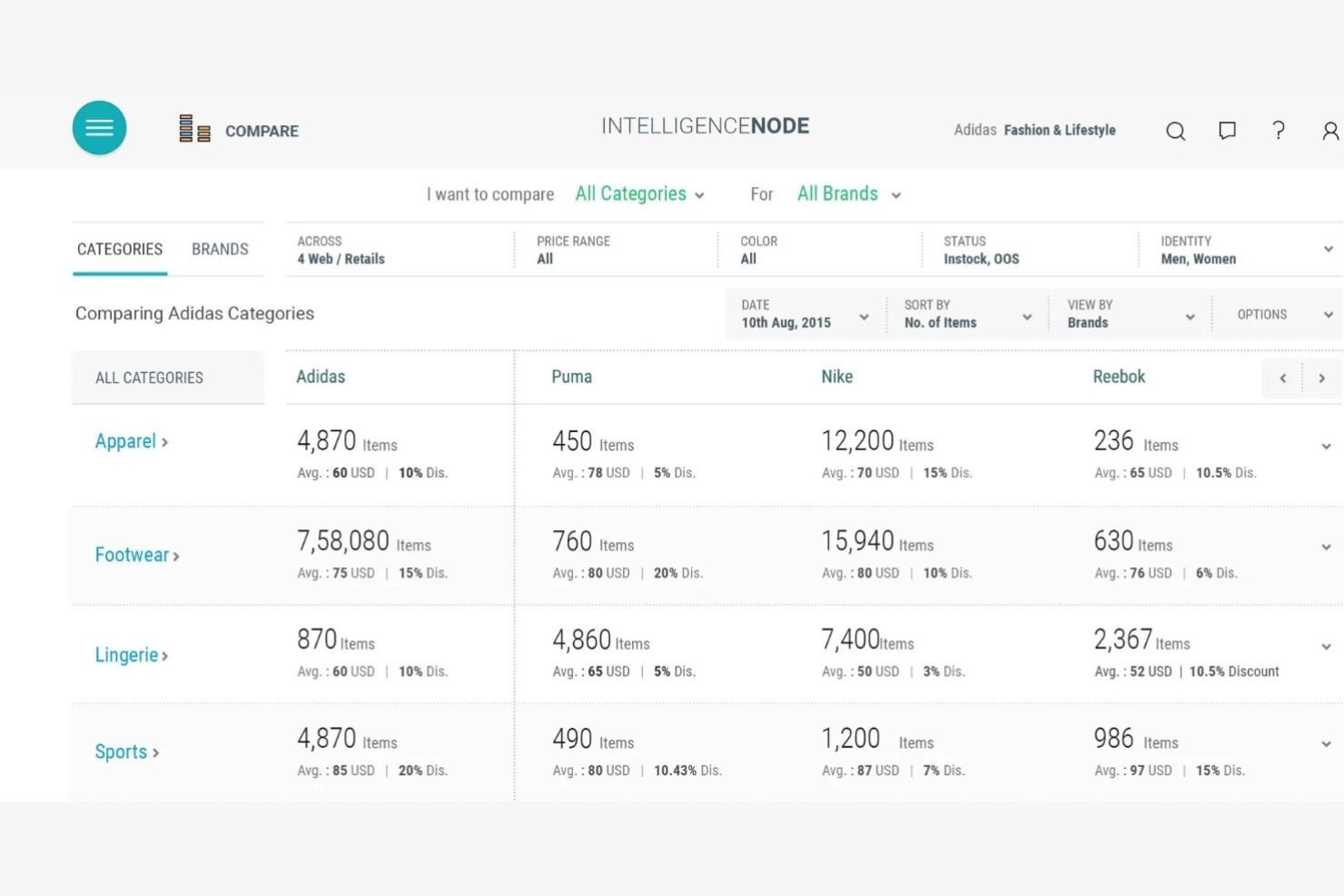
Intelligence Node è una piattaforma di intelligenza sui prezzi progettata per le aziende che necessitano di un'analisi di mercato approfondita e monitoraggio dei prezzi. Le sue capacità di IA permettono agli utenti di tracciare le tendenze dei prezzi a livello globale e prendere decisioni informate.
Perché ho scelto Intelligence Node: Eccelle nel monitoraggio dei prezzi globali, ideale per le aziende che operano in più mercati. Le analisi basate su IA forniscono al tuo team dati sui prezzi della concorrenza in tempo reale. La funzione di tracciamento dei prezzi ti garantisce di restare aggiornato sui cambiamenti nel mercato globale. La capacità dello strumento di analizzare enormi quantità di dati ti aiuta a ottimizzare efficacemente le strategie di pricing.
Funzionalità e integrazioni principali:
Le funzionalità includono strumenti di conformità MAP che rilevano automaticamente qualsiasi violazione del Prezzo Minimo Pubblicizzato (MAP). La dashboard di analisi offre previsioni della domanda e approfondimenti sulle tendenze di mercato, consentendo una migliore gestione dell'inventario. Intelligence Node offre anche monitoraggio dei concorrenti, così puoi tracciare in tempo reale i prezzi della concorrenza.
Le integrazioni includono Shopify, Adobe Commerce, WooCommerce, BigCommerce, Salesforce, SAP, Oracle, Microsoft Dynamics, NetSuite e HubSpot.
Pros and Cons
Pros:
- Solida analisi del mercato globale
- Strumenti efficaci di ottimizzazione dei prezzi
- Dati sui prezzi della concorrenza
Cons:
- Strumenti efficaci di ottimizzazione dei prezzi
- Richiede competenze tecniche per l'installazione

Ideale per aziende e-commerce
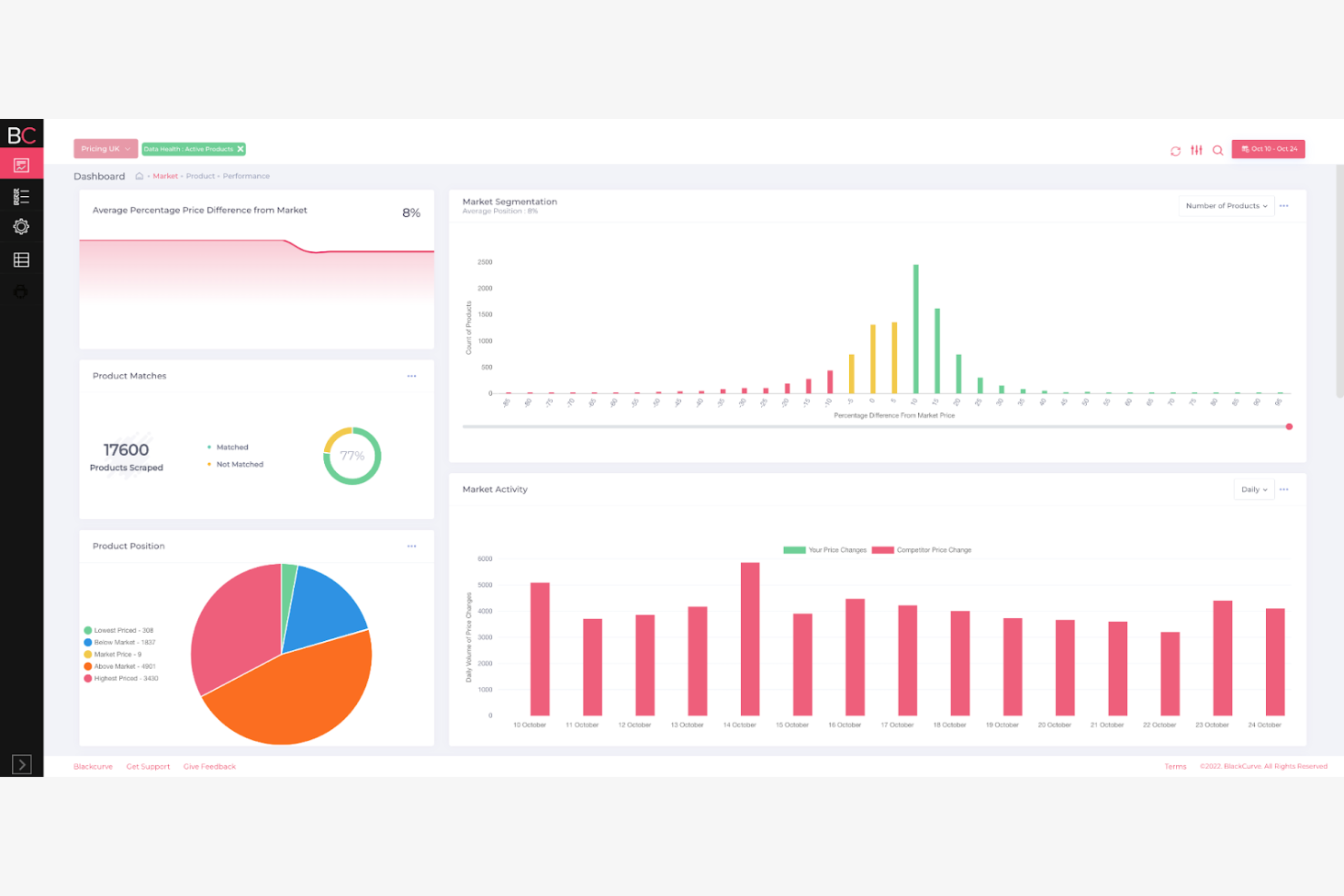
BlackCurve è una piattaforma di ottimizzazione dei prezzi progettata per le aziende di e-commerce che desiderano decisioni di prezzo più precise, rapide e intelligenti. Utilizza l'intelligenza artificiale per analizzare i cambiamenti della domanda, le variazioni dei concorrenti e il comportamento dei clienti, trasformando questi dati in raccomandazioni di prezzo mirate. La piattaforma aiuta le aziende a reagire rapidamente ai cambiamenti del mercato, proteggere i margini e superare i concorrenti con il minimo sforzo manuale.
Perché ho scelto BlackCurve: BlackCurve è una scelta solida per gli utenti e-commerce perché combina un'intelligenza avanzata sui prezzi con un'automazione pratica. Valuta i prezzi dei concorrenti, il comportamento dei clienti e la domanda di mercato per aiutare le aziende a trovare punti di prezzo competitivi senza compromettere i margini. La sua automazione basata su regole è particolarmente utile per le aziende con grandi cataloghi, poiché i prezzi possono essere aggiornati automaticamente al verificarsi di determinate condizioni. La piattaforma include inoltre strumenti di previsione, analisi della redditività e test di scenario, che aiutano i team a comprendere l'impatto dei cambiamenti di prezzo prima della loro applicazione.
Funzionalità principali e integrazioni:
Le funzionalità includono il monitoraggio dei concorrenti, prezzi dinamici, modelli predittivi e analisi dettagliate che mostrano come le decisioni di prezzo influenzino i ricavi e le performance dei margini. Offre simulazioni di prezzo, analisi delle tendenze storiche e dashboard personalizzabili che consentono ai team di individuare rapidamente opportunità o rischi. Il sistema supporta la differenziazione dei prezzi tra prodotti, località o gruppi di clienti e fornisce strumenti di gestione per promozioni, dati di prodotto e prezzi collegati all'inventario.
Le integrazioni comprendono Shopify, WooCommerce, Adobe Commerce, BigCommerce, Salesforce, SAP, Oracle, Microsoft Dynamics, NetSuite e HubSpot.
Pros and Cons
Pros:
- Forte focus sull'analisi dei prezzi
- Strumenti efficaci per l'ottimizzazione dei prezzi
- L'implementazione è dinamica e adattata alle specifiche esigenze aziendali
Cons:
- Supporto o applicabilità limitati per aziende non e-commerce
- La configurazione iniziale può essere complessa a causa della personalizzazione

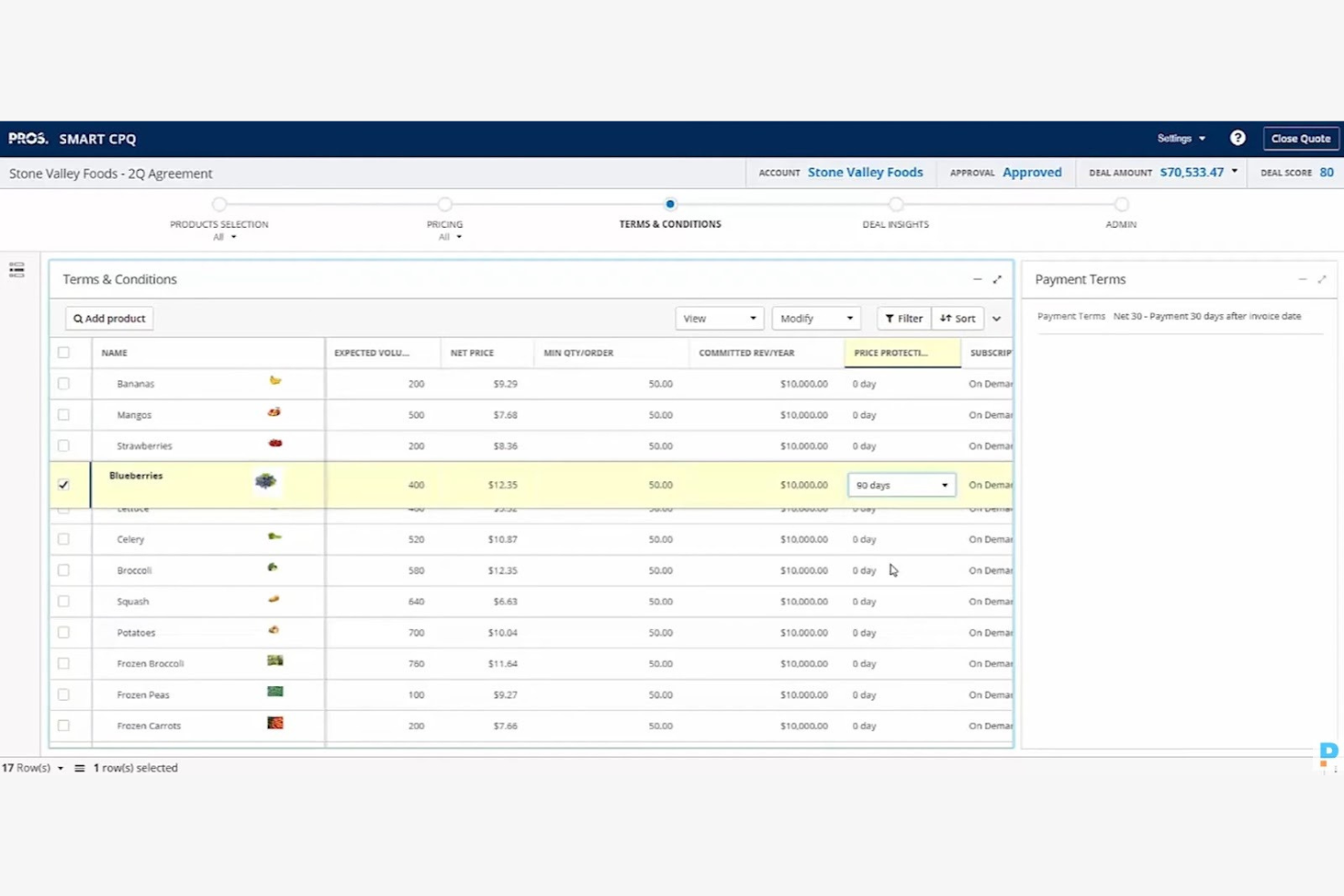
PROS è un software di ottimizzazione dei prezzi progettato per aziende B2B che desiderano perfezionare le proprie strategie di vendita e di pricing. Sfrutta l'intelligenza artificiale per fornire soluzioni di pricing, aiutando le aziende ad adattarsi ai cambiamenti del mercato.
Perché ho scelto PROS: È pensato per la definizione dinamica dei prezzi nel B2B, rendendolo adatto alle aziende che necessitano di adeguare i prezzi in tempo reale. Le funzionalità di intelligenza artificiale sono state sviluppate da esperti con oltre 30 anni di leadership nel settore delle entrate e della gestione dei prezzi. Gli scienziati hanno creato reti simili a quelle neurali progettate per risolvere complessi calcoli di pricing. Il motore di pricing guidato dall’AI analizza le tendenze di mercato e i dati dei clienti, fornendo spunti utili all’azione. Le analisi predittive dello strumento prevedono anche gli impatti futuri dei prezzi, individuando schemi di mercato e lacune, includendo automaticamente molteplici variabili in tempo reale.
Funzionalità e integrazioni principali:
Le funzionalità includono l’ottimizzazione dei prezzi in tempo reale che regola i prezzi in base alle condizioni attuali del mercato. La funzionalità di price guidance offre al tuo team suggerimenti concreti per impostare prezzi competitivi. La quotazione intelligente riduce il tempo necessario per generare offerte, incrementando l’efficienza delle vendite.
Le integrazioni includono Salesforce, SAP, Microsoft Dynamics, Oracle, NetSuite, HubSpot, SugarCRM, Marketo, Adobe e Zendesk.
Pros and Cons
Pros:
- Personalizzato per gli ambienti B2B
- Analisi dei dati in tempo reale
- Analisi dinamica dei prezzi
Cons:
- Potrebbe richiedere competenze tecniche
- La logica dei prezzi basata su AI può sembrare una “scatola nera” e poco chiara
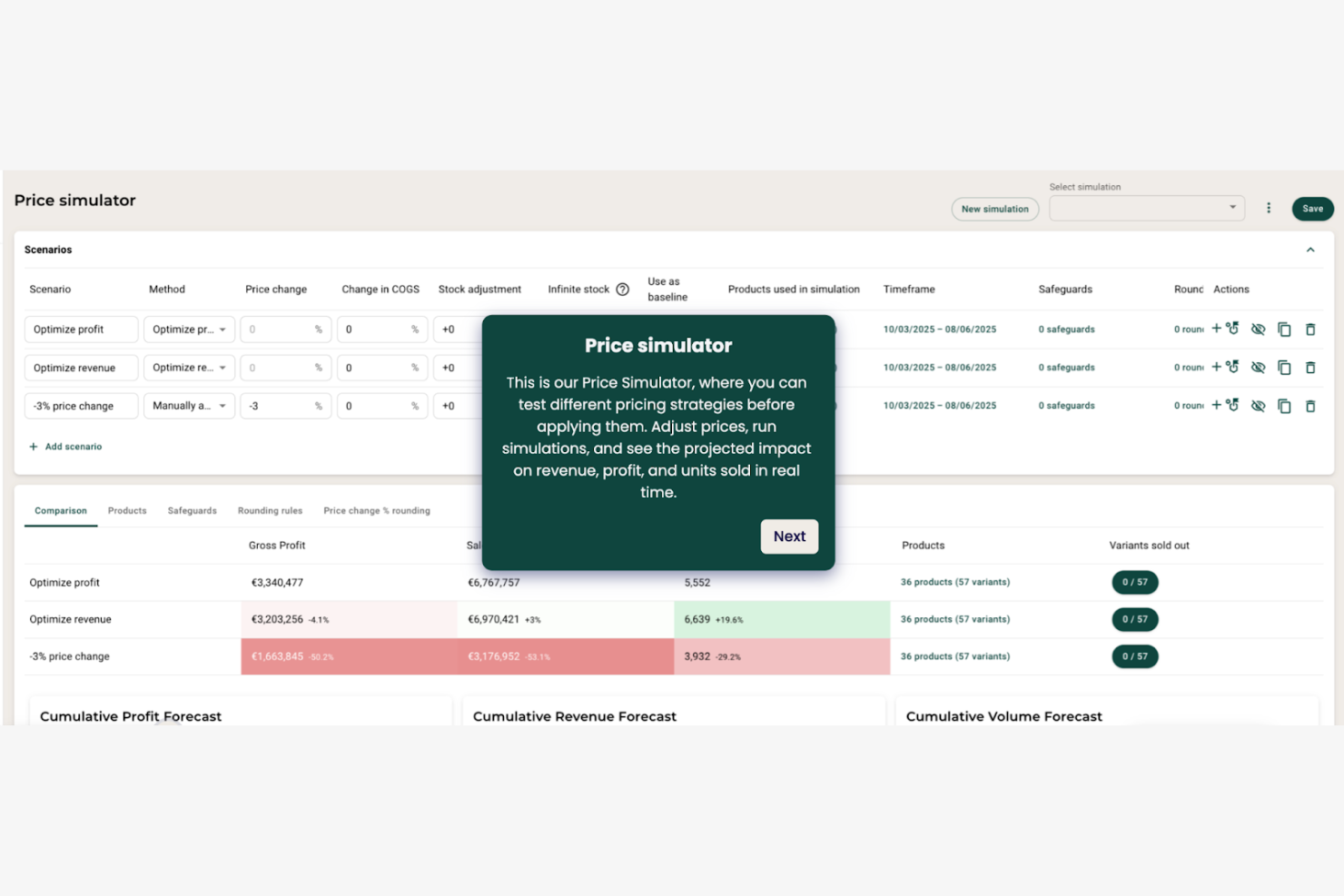
Pricen è una piattaforma di automazione dei prezzi creata per rivenditori e team ecommerce che desiderano unire l'intelligenza artificiale a competenze umane. I suoi modelli predittivi analizzano vendite, attività dei concorrenti e dati di inventario per generare raccomandazioni sui prezzi, mentre i test scenari integrati e la simulazione dei prezzi permettono agli utenti di esplorare in sicurezza i potenziali cambiamenti prima di applicarli.
Perché ho scelto Pricen: È specializzata nella simulazione dei prezzi guidata dall'IA e nella pianificazione di scenari, ideale per i team che desiderano testare le strategie di prezzo prima di implementarle. La piattaforma utilizza algoritmi predittivi per analizzare vendite, attività dei concorrenti e tendenze di mercato, offrendo spunti pratici e riducendo il tempo speso nelle attività di pricing di routine. Grazie alla combinazione di simulazione, previsione e regolazioni automatizzate, i team possono esplorare i risultati potenziali, prendere decisioni informate e attuare cambiamenti di prezzo con sicurezza.
Funzionalità principali & integrazioni:
Le funzionalità includono l'analitica predittiva, che utilizza i dati sulle vendite, i concorrenti e l'inventario per generare proiezioni realistiche di diverse strategie di prezzo. Gli utenti possono confrontare più scenari, valutarne i potenziali effetti su ricavi e margini e consultare i dati tramite dashboard intuitive. La piattaforma si integra con sistemi retail ed ecommerce, facilitando l'implementazione delle strategie validate dopo la fase di test.
Le integrazioni comprendono Shopify, Adobe, WooCommerce, BigCommerce, Salesforce, SAP, Oracle, Microsoft Dynamics, NetSuite e HubSpot.
Pros and Cons
Pros:
- Automazione efficace dei prezzi
- Analisi predittiva delle tendenze di mercato
- Snellisce le attività di pricing di routine
Cons:
- Non adatta a piccoli rivenditori o a chi ha cataloghi semplici e a basso volume
- A volte richiede l'abbinamento manuale dei prodotti

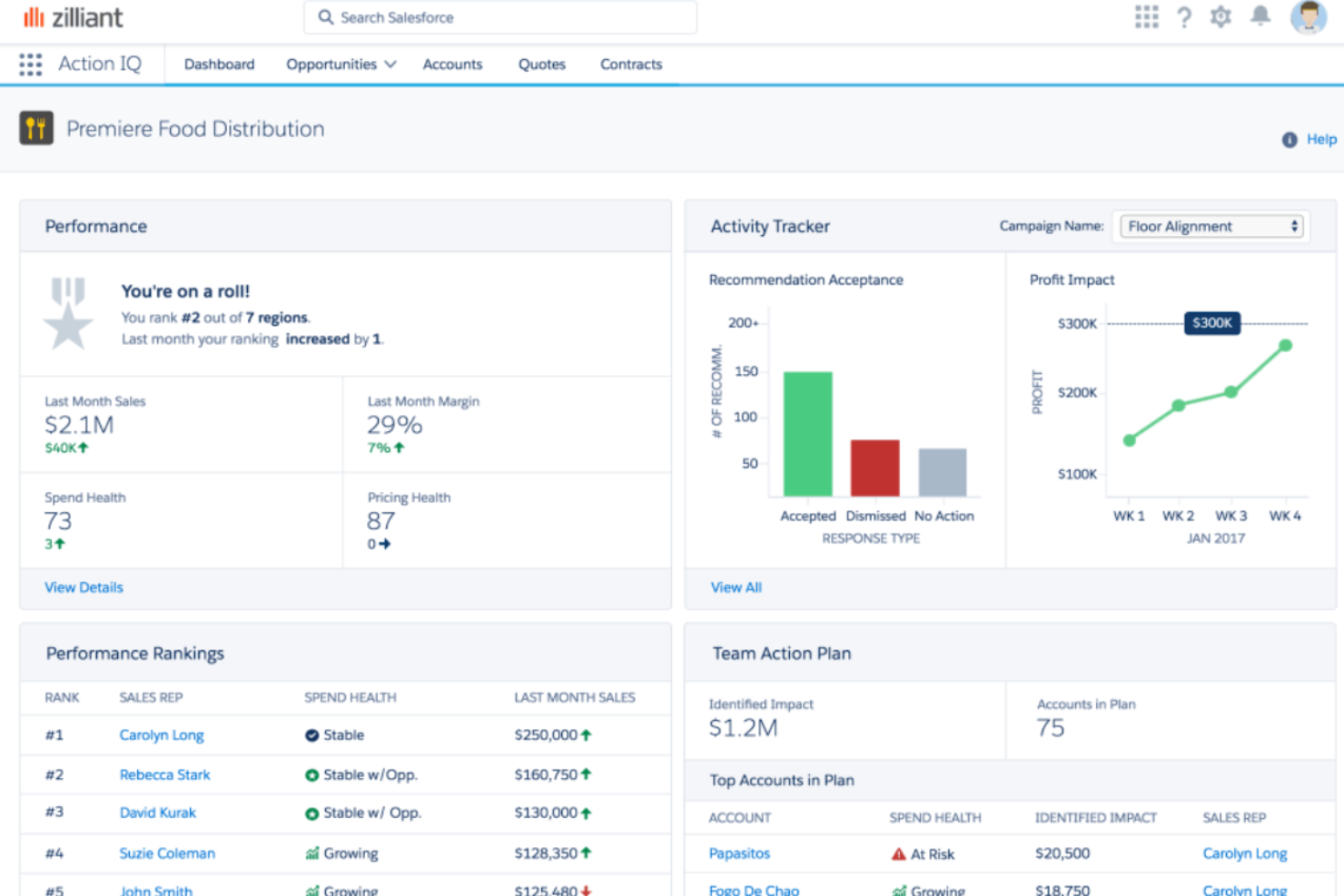
Zilliant è un software di ottimizzazione dei prezzi e delle vendite basato sull'intelligenza artificiale, progettato per aziende B2B. Aiuta le imprese a definire le proprie strategie di prezzo fornendo approfondimenti e raccomandazioni basate sui dati.
Perché ho scelto Zilliant: Il suo punto di forza risiede nell'offrire insight sui prezzi guidati dall'IA, permettendo di individuare proattivamente i rischi di margine e di simulare i cambiamenti di prezzo prima del lancio, rendendolo uno strumento prezioso per i team che cercano decisioni supportate dai dati. La funzione di analisi predittiva consente al tuo team di anticipare i cambiamenti del mercato e adattare i prezzi di conseguenza. Le soluzioni di ottimizzazione dei prezzi di Zilliant suggeriscono il prezzo ottimale per massimizzare i ricavi. Inoltre, il tuo team può beneficiare di un allineamento strutturato in tempo reale tra ERP, CRM e sistemi eCommerce, così tutto è sempre aggiornato e coerente, migliorando la governance e riducendo compartimenti stagni e potenziali errori.
Funzionalità e integrazioni principali:
Le funzionalità includono ottimizzazione dei prezzi, che garantisce l'allineamento dei prezzi alle condizioni di mercato. Gli strumenti di guida alle vendite aiutano il team commerciale a focalizzarsi sulle opportunità giuste. Report dettagliati forniscono informazioni sulle prestazioni dei prezzi e sulle aree di miglioramento.
Le integrazioni includono Salesforce, SAP, Oracle, Microsoft Dynamics, NetSuite, SugarCRM, Marketo, HubSpot, Adobe e Zendesk.
Pros and Cons
Pros:
- Solide analisi predittive
- Guida alle vendite basata su intelligenza artificiale
- Funzionalità di report personalizzabili
Cons:
- Interfaccia utente può risultare complessa
- Personalizzazione limitata rispetto ad alcuni concorrenti

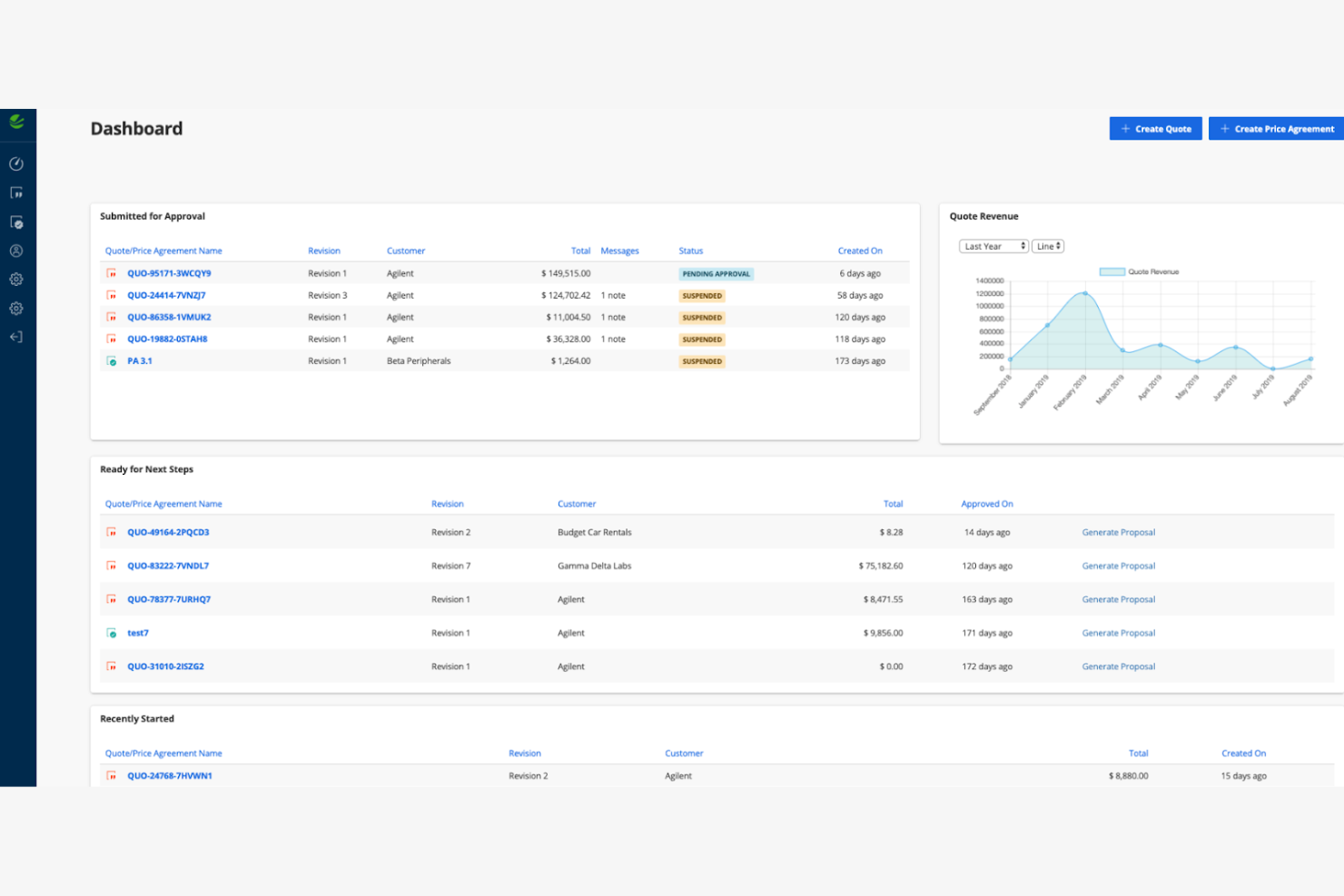
Vendavo è una piattaforma di ottimizzazione dei prezzi progettata per le grandi aziende, in particolare nei settori della produzione e della distribuzione, che desiderano migliorare la redditività e l'efficienza nella gestione dei prezzi. I suoi strumenti basati sull'intelligenza artificiale offrono approfondimenti e strategie per una gestione efficace dei prezzi e per l'aumento dei margini.
Perché ho scelto Vendavo: È progettato per soluzioni di pricing a livello enterprise, il che lo rende adatto a operazioni su larga scala. Le funzionalità di intelligenza artificiale includono la definizione dei prezzi e la guida alle trattative, con un focus sulla trasparenza e sulla collaborazione tra uomo e AI. Le raccomandazioni di Vendavo sono specifiche per ruolo e supportate da una profonda esperienza nel settore. Le analisi sui margini di Vendavo aiutano a individuare opportunità per migliorare i profitti. Inoltre, la funzione di pricing dinamico del sistema si adatta alle fluttuazioni di mercato, in linea con il suo punto di forza.
Caratteristiche e integrazioni principali:
Le funzionalità includono analisi dei margini, che forniscono approfondimenti sulle opportunità di incremento dei profitti. Lo strumento di guida alle trattative supporta il team commerciale nella creazione di offerte competitive. La funzione di pricing dinamico regola i prezzi in base ai dati di mercato in tempo reale. Pensato per il settore manifatturiero e distributivo B2B, incluse le operazioni globali, le caratteristiche di Vendavo sono studiate per gestire ampi portafogli prodotti, strutture di prezzo complesse, supporto multivaluta e accordi a lungo termine.
Le integrazioni includono SAP, Salesforce CRM, Oracle, Microsoft Dynamics, NetSuite, Infor, Epicor, SugarCRM, Marketo e HubSpot.
Pros and Cons
Pros:
- Pensato per aziende manifatturiere e di distribuzione
- Si integra con sistemi aziendali
- Analisi dettagliata dei margini
Cons:
- Processo di implementazione complesso
- I nuovi utenti necessitano di formazione su diverse piattaforme
Altri software di determinazione dei prezzi basati sull'IA
Ecco alcune opzioni aggiuntive di software di determinazione dei prezzi basati sull’IA che non sono entrate nella mia selezione, ma che vale comunque la pena prendere in considerazione:
- Pricefx
Ideale per l'ottimizzazione dei prezzi in tempo reale
- Competera
Ideale per la gestione dei prezzi al dettaglio
- Insite AI
Ideale per l'IA nella strategia retail
- Revionics
Ideale per l'ottimizzazione dei prezzi lungo il ciclo di vita
- 7Learnings
Ideale per una determinazione del prezzo automatizzata e guidata dagli obiettivi


Come valuto i software per la definizione dei prezzi basata sull'IA
Ogni strumento presente in questo elenco deve offrire un valore reale nella determinazione dei prezzi basata sull'IA, non limitarsi ad applicare un'etichetta a regole statiche definendosi intelligente. Divido la mia valutazione in due livelli: le funzionalità fondamentali che uno strumento deve possedere per poter essere preso in considerazione e i fattori distintivi che separano una soluzione adeguata da una eccellente.
Funzionalità fondamentali (requisiti minimi per questo elenco)
Quando seleziono gli strumenti per il mio elenco, assegno a ciascuno un punteggio su una scala da 0 (non offre la funzionalità) a 5 (eccelle in quest'area) per ogni funzionalità fondamentale elencata di seguito. Quindi calcolo il punteggio totale dello strumento e lo converto in percentuale. Ogni strumento deve raggiungere un punteggio totale minimo del 65% per essere preso in considerazione.
- Ottimizzazione dei prezzi basata sull'IA: cerco modelli di ML che vadano oltre le regole statiche per consigliare i prezzi sulla base della cronologia delle transazioni, dei modelli della domanda e degli attributi dei clienti.
- Analisi predittiva delle trattative: ogni strumento dovrebbe prevedere la probabilità di successo e l'impatto sul margine a livello di singola trattativa, aiutando i rappresentanti e le squadre responsabili delle trattative a definire i prezzi con sicurezza.
- Segmentazione dinamica: valuto se la piattaforma raggruppa automaticamente clienti e prodotti in fasce di prezzo utilizzando l'IA, anziché affidarsi a raggruppamenti manuali.
- Indicazioni per preventivi e sconti: in questo caso sono importanti i limiti operativi in tempo reale all'interno dei flussi di creazione dei preventivi: verifico la presenza di intervalli di prezzo suggeriti dall'IA e di instradamento delle approvazioni integrati nei flussi CPQ.
- Rilevamento delle perdite di prezzo: lo strumento dovrebbe evidenziare l'erosione dei margini e le anomalie negli sconti tramite il monitoraggio basato sull'IA, non solo attraverso report standard sui margini.
- Integrazioni CRM/ERP: verifico la presenza di connessioni native e bidirezionali con piattaforme come Salesforce, HubSpot, SAP o NetSuite, per mantenere il flusso dei dati sui prezzi nell'intero insieme tecnologico dei ricavi.
Dopo aver creato un elenco di strumenti che soddisfano questi criteri, considero ciò che distingue ogni piattaforma.
Fattori distintivi (ciò che differenzia i fornitori)
Ecco come confronto i diversi fornitori:
Funzionalità distintive
La simulazione degli scenari è un elemento fortemente distintivo: cerco ambienti isolati di prova in cui le squadre responsabili dei prezzi possano modellare l'impatto sui ricavi di una modifica alla politica degli sconti o di una nuova struttura a fasce prima della sua attivazione. La modellazione dell'elasticità dei prezzi aggiunge un ulteriore livello, mostrando come cambiano i volumi quando si modificano i prezzi per segmenti specifici. Valuto anche le funzionalità di analisi competitiva dei prezzi, in cui l'IA monitora e analizza i prezzi dei concorrenti per mantenere efficace il proprio posizionamento.
Oltre le funzionalità
La trasparenza dell'IA è molto importante in questo ambito. Valuto se uno strumento spiega perché consiglia un determinato prezzo o sconto: senza questa spiegazione, ottenere il consenso della dirigenza commerciale è una vera sfida. Anche il tempo necessario per ottenere valore è un fattore fondamentale, in particolare la rapidità con cui la piattaforma acquisisce i dati e inizia a produrre raccomandazioni utilizzabili. Considero inoltre l'idoneità al settore e al modello di business, poiché uno strumento progettato per la definizione dei prezzi degli abbonamenti B2B SaaS potrebbe non essere adatto a una squadra del settore manifatturiero che gestisce migliaia di SKU attraverso i distributori.
Come scegliere un software di determinazione dei prezzi basato sull'IA
È facile perdersi in lunghi elenchi di funzionalità e strutture di prezzo complesse. Per aiutarti a rimanere concentrato mentre affronti il tuo esclusivo processo di selezione del software, ecco una lista di controllo dei fattori da tenere a mente:
| Fattore | Cosa considerare |
|---|---|
| Scalabilità | Il software crescerà insieme alla tua azienda? Verifica che supporti l'aumento del volume di dati e del numero di utenti senza compromettere le prestazioni. |
| Integrazioni | Si integra con i sistemi esistenti, come CRM ed ERP? Assicurati della compatibilità per evitare silos di dati e sbloccare i flussi di lavoro. |
| Personalizzazione | Puoi adattare il software alle tue specifiche strategie di determinazione dei prezzi? Cerca flessibilità nella definizione di regole e parametri. |
| Facilità d'uso | L'interfaccia utente è intuitiva per il tuo team? Una curva di apprendimento ripida può ritardare l'adozione e ridurre l'efficacia. |
| Implementazione e avvio | Quanto tempo richiede la configurazione e quali risorse sono necessarie? Considera la disponibilità di materiali di formazione e supporto durante la transizione. |
| Costo | Il prezzo rientra nel tuo budget? Valuta il costo totale di proprietà, comprese eventuali commissioni nascoste o spese aggiuntive per funzionalità extra. |
| Misure di sicurezza | In che modo il software protegge i tuoi dati? Assicurati che rispetti gli standard di settore per la protezione dei dati e offra funzionalità come la crittografia e il controllo degli accessi. |
| Disponibilità dell'assistenza | Quali opzioni di assistenza sono disponibili? Assicurati di poter ricevere aiuto tempestivo tramite canali come chat dal vivo, e-mail o telefono. |
Che cos'è un software di determinazione dei prezzi basato sull'IA?
Il software di determinazione dei prezzi basato sull'IA è uno strumento che utilizza l'intelligenza artificiale per ottimizzare le strategie di prezzo delle aziende. Utilizzato in genere da analisti dei prezzi, responsabili della gestione dei ricavi e team di vendita, aiuta ad aumentare la redditività e la competitività. Le funzionalità di analisi predittiva, determinazione dinamica dei prezzi e monitoraggio dei concorrenti aiutano a prendere decisioni informate sui prezzi e a reagire ai cambiamenti del mercato. Nel complesso, questi strumenti migliorano il processo decisionale e l'efficienza nella gestione dei prezzi.
Funzionalità
Quando selezioni un software di determinazione dei prezzi basato sull'IA, presta attenzione alle seguenti funzionalità chiave:
- Analisi predittiva: utilizza i dati storici per prevedere le tendenze future dei prezzi, aiutandoti a prendere decisioni proattive sui prezzi.
- Determinazione dinamica dei prezzi: adegua i prezzi in tempo reale in base alle condizioni di mercato per massimizzare i ricavi e la competitività.
- Monitoraggio dei concorrenti: monitora le strategie di prezzo dei concorrenti per garantire che i tuoi prezzi rimangano competitivi sul mercato.
- Ottimizzazione dei prezzi: analizza diversi scenari di prezzo per consigliare le migliori strategie di prezzo ai fini della redditività.
- Raccomandazioni basate sull'IA: offre suggerimenti sugli adeguamenti dei prezzi basati sui dati, migliorando l'efficienza del processo decisionale.
- Report e analisi: fornisce informazioni dettagliate sulle prestazioni dei prezzi e sulle tendenze di mercato, supportando la pianificazione strategica.
- Attività di determinazione automatizzata dei prezzi: riduce il carico di lavoro manuale automatizzando i processi di determinazione dei prezzi di routine, risparmiando tempo e risorse.
- Previsione della domanda: prevede la domanda futura dei prodotti, consentendo una migliore gestione delle scorte e dei prezzi.
- Supporto per i prezzi multicanale: garantisce prezzi coerenti sui diversi canali di vendita, migliorando l'esperienza dei clienti.
- Regole di prezzo personalizzabili: consente di adattare le strategie di prezzo alle esigenze e agli obiettivi specifici della tua azienda.
Vantaggi
L'implementazione di un software di determinazione dei prezzi basato sull'IA offre diversi vantaggi al tuo team e alla tua azienda. Ecco alcuni dei vantaggi che puoi aspettarti:
- Aumento della redditività: analizzando i dati di mercato, il software suggerisce strategie di prezzo ottimali che incrementano i tuoi ricavi.
- Risparmio di tempo: le attività automatizzate di determinazione dei prezzi riducono il lavoro manuale, consentendo al tuo team di concentrarsi sulle attività strategiche.
- Maggiore competitività: il monitoraggio dei concorrenti garantisce che i tuoi prezzi rimangano competitivi, aiutandoti a conquistare una quota di mercato.
- Miglioramento del processo decisionale: le raccomandazioni basate sull'IA forniscono informazioni basate sui dati, portando a decisioni sui prezzi più informate.
- Migliore previsione della domanda: l'analisi predittiva aiuta a prevedere la domanda, consentendo una gestione efficiente delle scorte e adeguamenti dei prezzi.
- Coerenza tra i canali: il supporto per i prezzi multicanale garantisce prezzi uniformi, migliorando la soddisfazione dei clienti.
- Adattabilità ai cambiamenti del mercato: la determinazione dinamica dei prezzi consente di adeguare rapidamente i prezzi in risposta alle fluttuazioni del mercato, mantenendo agile la tua strategia.
Costi e prezzi
La selezione di un software di determinazione dei prezzi basato sull'IA richiede la conoscenza dei vari modelli e piani tariffari disponibili. I costi variano in base alle funzionalità, alle dimensioni del team, agli elementi aggiuntivi e ad altri fattori. La tabella seguente riassume i piani comuni, i relativi prezzi medi e le funzionalità tipicamente incluse nelle soluzioni software di determinazione dei prezzi basate sull'IA:
Tabella comparativa dei piani per il software di determinazione dei prezzi basato sull'IA
| Tipo di piano | Prezzo medio | Funzionalità comuni |
|---|---|---|
| Piano aziendale | $99-$1500/utente/mese | Monitoraggio completo dei concorrenti, analisi predittiva e supporto multicanale. |
| Piano aziendale avanzato | $2000-$50,000+/utente/mese | Funzionalità personalizzabili, report completi, integrazione dei dati in tempo reale e supporto dedicato. |
Domande frequenti sul software di determinazione dei prezzi basato sull'IA
Ecco alcune risposte alle domande frequenti sul software di determinazione dei prezzi basato sull’IA:
In che modo il software di determinazione dei prezzi basato sull'IA contribuisce a migliorare la precisione delle previsioni dei ricavi?
Il software di determinazione dei prezzi basato sull’IA migliora le previsioni dei ricavi analizzando grandi quantità di dati storici sulle vendite, sul mercato e sui clienti per individuare tendenze e prevedere i risultati. Identificando schemi che gli esseri umani potrebbero non notare, questi strumenti possono effettuare previsioni più accurate sull’impatto delle variazioni dei prezzi sui ricavi, aiutandoti a elaborare previsioni migliori e ad adeguare rapidamente le tue strategie.
Il software di determinazione dei prezzi basato sull'IA può automatizzare l'ottimizzazione dei prezzi su più canali?
Sì, il software di determinazione dei prezzi basato sull’IA può ottimizzare automaticamente i prezzi su diversi canali, come il commercio elettronico, le vendite dirette e i distributori. Aggiorna i prezzi sulla base di dati in tempo reale, variazioni della domanda, attività dei concorrenti e regole aziendali predefinite, consentendo al tuo team di mantenere prezzi coerenti, competitivi e redditizi ovunque vendi.
Quali sono le difficoltà più comuni nell'adozione di strumenti di determinazione dei prezzi basati sull'IA nelle attività di gestione dei ricavi?
Le difficoltà più comuni includono la gestione della qualità dei dati, l’integrazione dei nuovi strumenti con i sistemi legacy e l’ottenimento del consenso dei team. Potrebbe inoltre esserci una curva di apprendimento mentre il personale si abitua alle raccomandazioni basate sull’IA e impara a fidarsi dei risultati dello strumento. Affrontare la governance dei dati e offrire formazione può agevolare la transizione
Come si misura il ROI dell'implementazione di soluzioni di determinazione dei prezzi basate sull'IA?
Il ROI si misura confrontando l’aumento dei ricavi, dei margini di profitto e dell’efficienza complessiva della determinazione dei prezzi prima e dopo l’implementazione. Monitora metriche come la realizzazione dei prezzi, la durata del ciclo delle trattative, i tassi di successo e il valore medio delle trattative nel tempo. Esamina regolarmente questi KPI per confermare che la soluzione basata sull’IA stia producendo miglioramenti misurabili e giustificando il suo costo.