


Recensione di MailerLite: vantaggi, svantaggi, funzionalità e guida ai prezzi


MailerLite is a sales email automation software designed for teams that need to build and automate email sequences without a lot of technical overhead. I'd consider it over Mailchimp if you want straightforward automation at a lower cost—MailerLite's pricing stays predictable as your list grows, whereas Mailchimp's costs can escalate quickly once you scale.
MailerLite Evaluation Summary
- From $10.80/month
- 14-day free trial + free demo available
Perché fidarsi dei nostri consigli sui software
Le nostre recensioni riflettono il nostro giudizio indipendente, non un discorso di vendita. Scopri come manteniamo la trasparenza.
Per questa guida, abbiamo valutato gli strumenti attraverso test pratici e ricerche indipendenti, assegnando un punteggio agli strumenti in base ai nostri criteri di selezione.
Le nostre recensioni riflettono il nostro giudizio editoriale umano, non un discorso di vendita.
MailerLite Overview
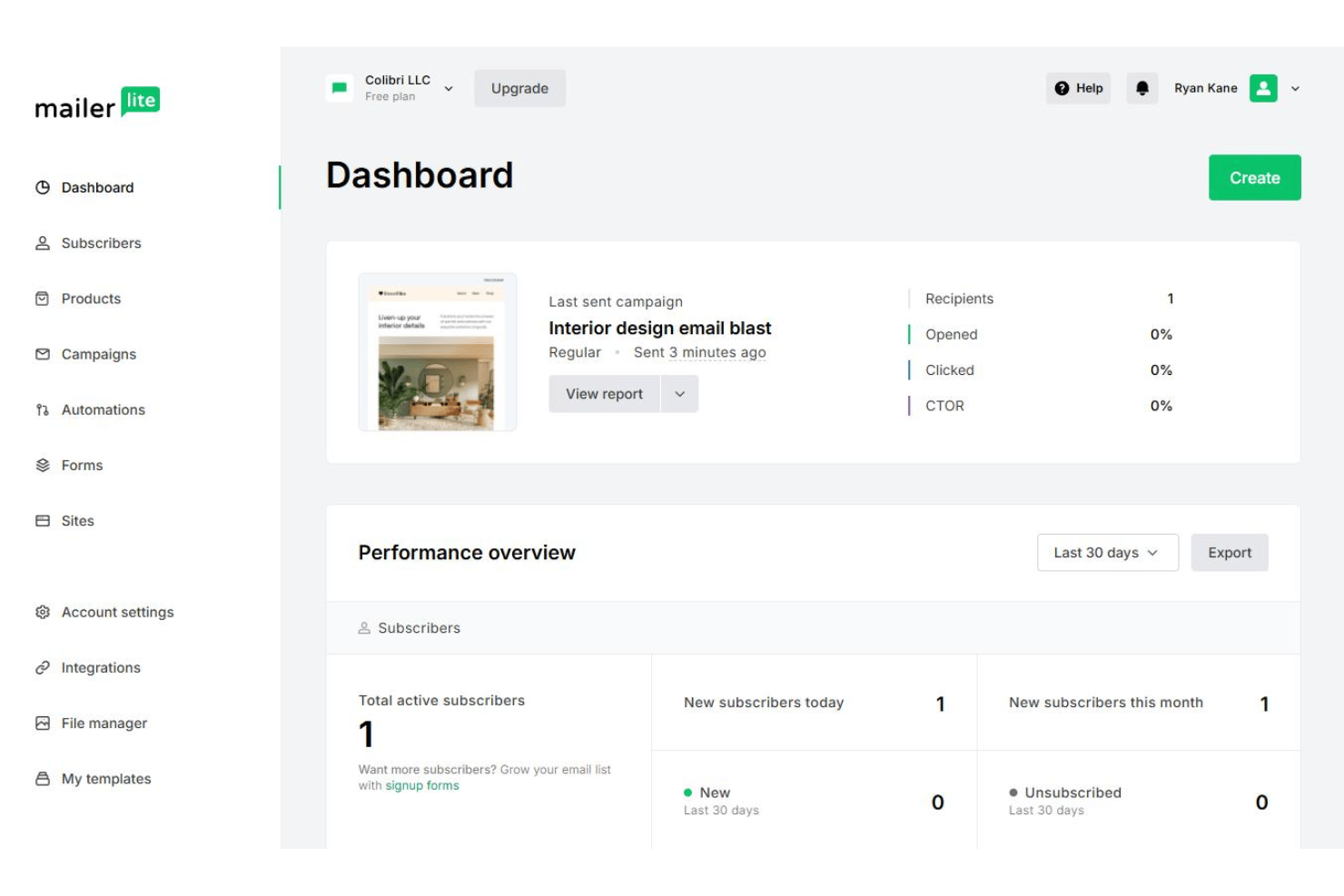
If you’re judging MailerLite as a sales email automation tool, I think its clean interface, quick onboarding, and fair pricing stand out over many options. I like its simple automation builder and reporting for small B2B teams or startups that don’t need deep sales CRM integration. If you need advanced tracking or high-touch support, MailerLite can fall short, but for straightforward campaigns and teams seeking easy setup and reliable deliverability, it’s an easy pick.
pros
-
Automation workflows can be set up without coding experience
-
Affordable pricing tiers work for small sales teams
-
Email scheduling includes timezone-based sending options
cons
-
A/B testing options are limited for sales outreach
-
Lacks built-in lead scoring, and the learning curve for advanced prospect tracking can feel steep
-
No built-in phone or SMS functionality for follow-ups
-

Prisync
Visit WebsiteThis rating combines scores from multiple user review sites to reflect overall customer sentiment about the product.4.7 -
Expedite Commerce
Visit Website -
QuickBooks Online
Visit WebsiteThis rating combines scores from multiple user review sites to reflect overall customer sentiment about the product.4





Come Testiamo e Valutiamo gli Strumenti
Abbiamo trascorso anni a costruire, perfezionare e migliorare il nostro sistema di valutazione e test dei software. Il nostro metodo è pensato per cogliere le sfumature della selezione software e ciò che rende uno strumento efficace, concentrandosi sugli aspetti critici del processo decisionale. Qui sotto puoi vedere esattamente come funzionano i nostri test e la valutazione sui sette criteri. Ci permette di fornire una valutazione imparziale del software in base alla funzionalità principale, alle caratteristiche distintive, facilità d’uso, onboarding, assistenza clienti, integrazioni, recensioni degli utenti e rapporto qualità-prezzo.
Funzionalità Principali (25% del punteggio finale)
Il punto di partenza per la nostra valutazione è sempre la funzionalità di base dello strumento. Possiede le caratteristiche e le funzioni che un utente si aspetterebbe di trovare? Alcune di queste funzioni di base sono limitate ai piani tariffari più costosi? Per noi uno strumento deve almeno essere alla pari con le capacità minime offerte dai concorrenti.
Caratteristiche Distintive (25% del punteggio finale)
Successivamente, valutiamo le funzionalità insolite o esclusive che vanno oltre le funzioni core normalmente presenti in strumenti simili. Un punteggio elevato riflette una presenza di caratteristiche particolari o uniche che rendono il prodotto più veloce, efficace o danno un valore aggiunto all’utente. Valutiamo anche la facilità di integrazione con altri strumenti tipici del tech stack per espanderne funzionalità e utilità. Gli strumenti che offrono numerose integrazioni native, connessioni di terze parti e accesso API per costruire integrazioni personalizzate ottengono i punteggi migliori.
Facilità d’Uso (10% del punteggio finale)
Consideriamo quanto sia rapido e intuitivo svolgere le attività fondamentali tramite lo strumento. I software con i punteggi più alti hanno un design ben pensato, sono intuitivi, offrono app mobili, forniscono modelli predefiniti e semplificano anche le attività più complesse.
Onboarding (10% del punteggio finale)
Sappiamo quanto sia importante che un nuovo strumento venga rapidamente adottato dal team, quindi valutiamo la facilità di apprendimento con un minimo di formazione. Valutiamo quanto velocemente un membro del team può iniziare a usare lo strumento senza esperienza. Le soluzioni con i punteggi più alti richiedono poco o nessun supporto iniziale.
Assistenza Clienti (10% del punteggio finale)
Analizziamo quanto sia facile e veloce risolvere problemi e ricevere assistenza tramite telefono, chat dal vivo o knowledge base. Gli strumenti e le aziende che offrono supporto in tempo reale ottengono i punteggi migliori, mentre i chatbot ottengono i peggiori.
Recensioni dei Clienti (10% del punteggio finale)
Oltre ai nostri test, consideriamo il net promoter score da clienti attuali e passati. Valutiamo la probabilità che gli utenti sceglierebbero nuovamente lo strumento per le funzionalità principali. Un punteggio elevato riflette un alto net promoter score da parte dei clienti.
Rapporto Qualità-Prezzo (10% del punteggio finale)
Infine, considerando tutti gli altri criteri, esaminiamo il prezzo medio dei piani base rispetto alle funzionalità principali e agli altri fattori valutativi. I software che offrono di più a un costo inferiore ottengono un punteggio più alto.
Core Features
Automation Builder
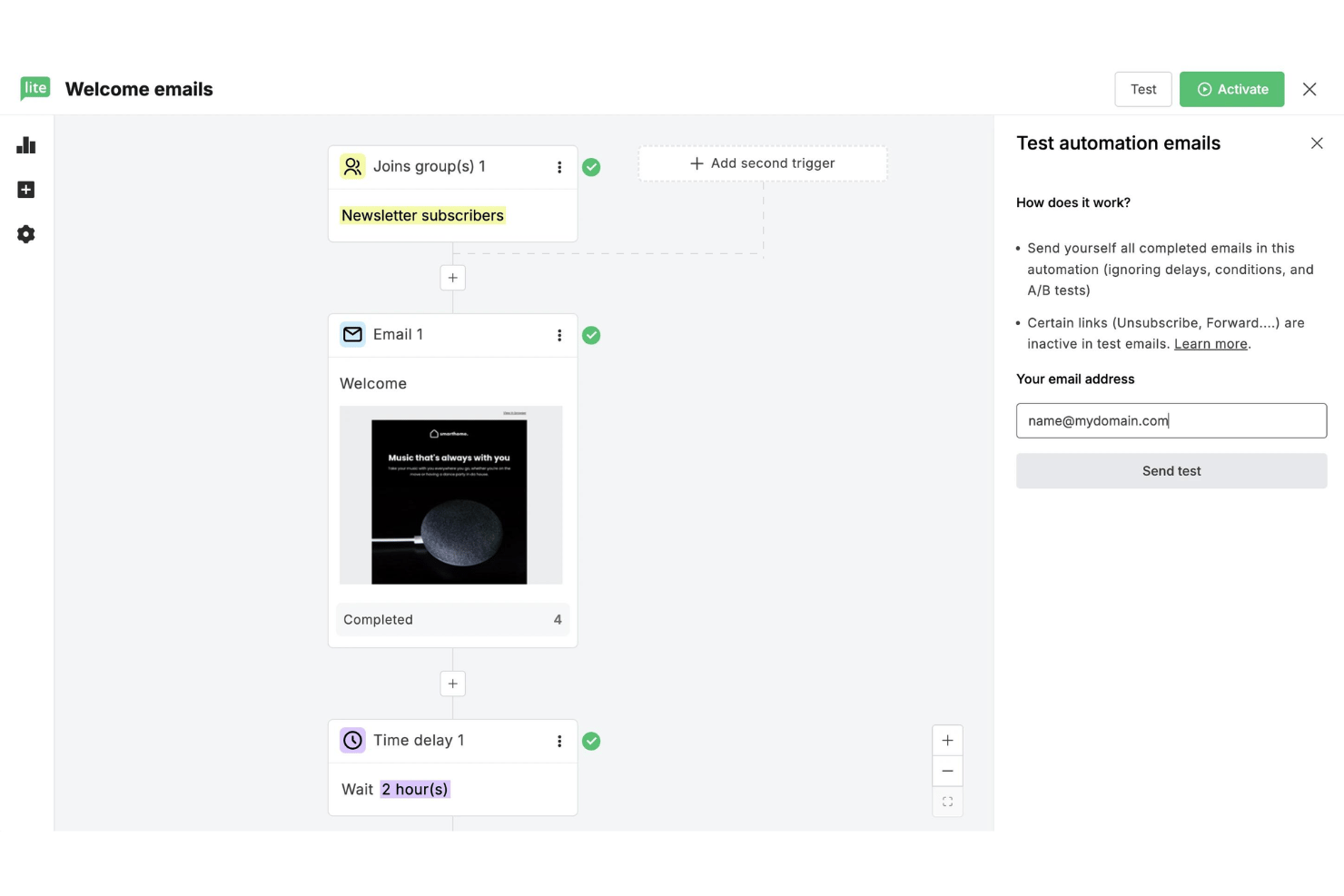
Create multi-step email sequences triggered by subscriber behaviors. Drag-and-drop interface exposes automation features that make setting up sales nurture flows fast.
Personalization and Dynamic Content
Insert subscriber names, company info, or unique offers into every message. Tailor content for prospects at different pipeline stages to drive conversion optimization.
Scheduled Sending and Time zone Delivery
Schedule sales campaigns and monthly emails to hit inboxes at optimal times globally. Let MailerLite send messages based on each recipient’s location.
Campaign Reporting and Click Tracking
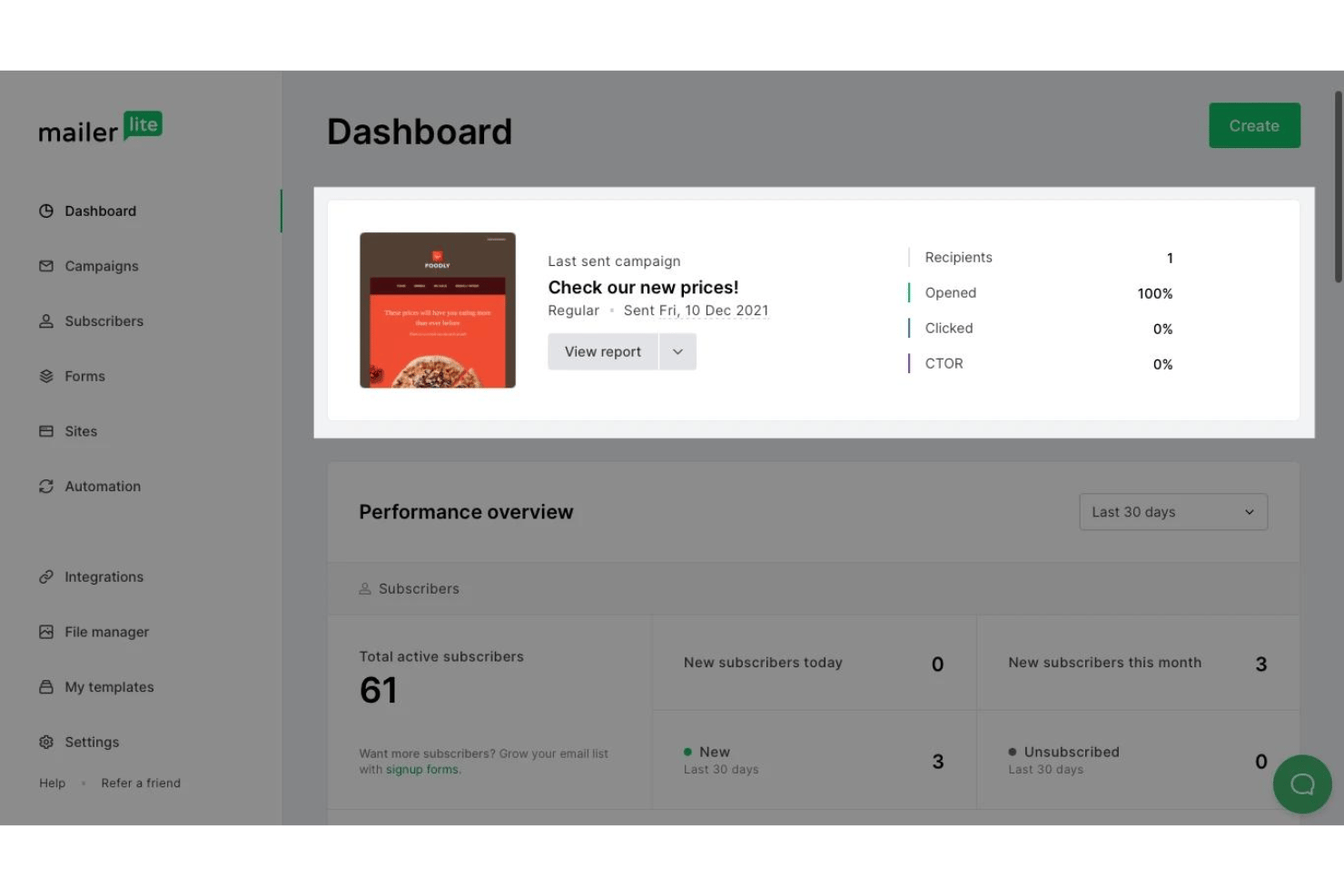
See which emails get opened, track open rates, and identify clicks and conversions metrics in real time. Identify your top-performing subject lines, sales sequences, and links to refine future outreach.
List and Segmentation Tools
Segment contacts by deal stage, opt-in source, or activity for targeted outreach. Build custom groups with the form builder for account-based or vertical-specific sales pushes.
Template Library and Editor
Use pre-built email templates or design your own for sales pitches and follow-ups. The email editor includes HTML editor support and customizable content blocks for fast, professional branding.
Ease of Use
MailerLite feels easy for most sales teams to pick up in any comparison of email marketing tools, clean navigation and the visual builder consistently win. I think the drag-and-drop automation and intuitive template editing save time, especially compared to more complex platforms. Many users mention the onboarding guides and in-app tips make launching your first campaign fast.
Integrations
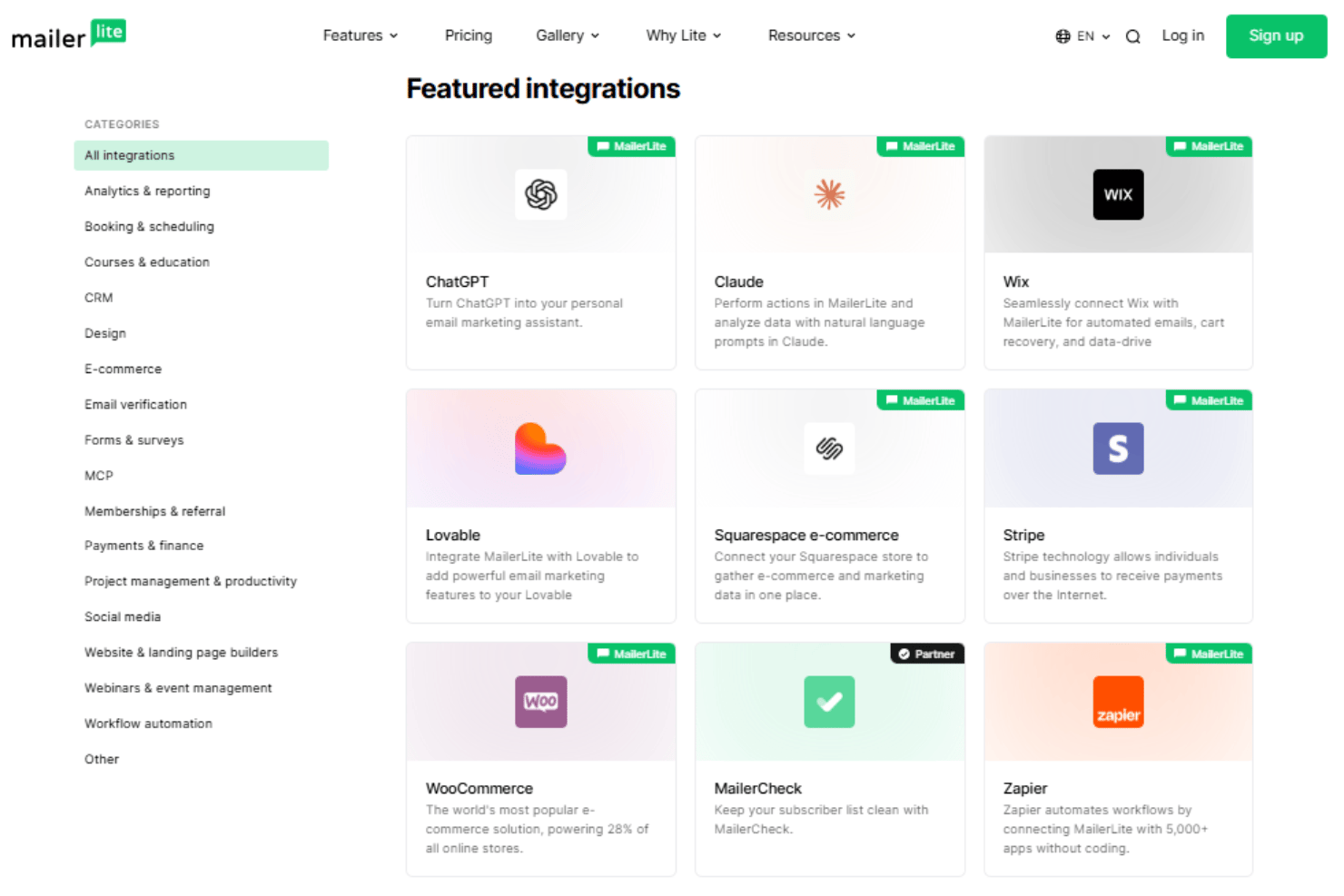
MailerLite integrates with Shopify, WooCommerce, WordPress, Zapier, Stripe, Squarespace, Wix, Facebook Lead Ads, Typeform, and HubSpot, among others.
You can also connect MailerLite through its open API or link it with hundreds of other tools using major integration platforms like Zapier.
MailerLite Specs
- A/B Testing
- API
- Audience Targeting
- Brand Management
- Calendar Management
- Campaign Management
- Compliance Tracking
- Contact Management
- Contact Sharing
- Conversion Tracking
- CRM Integration
- Customer Management
- Dashboard
- Data Export
- Data Import
- Data Visualization
- Email Integration
- External Integrations
- Google Apps Integration
- Lead Management
- Lead Scoring
- Link Tracking
- Marketing Automation
- Multi-User
- Notifications
- Scheduling
- Social-Media Integration
- Third-Party Plugins/Add-Ons